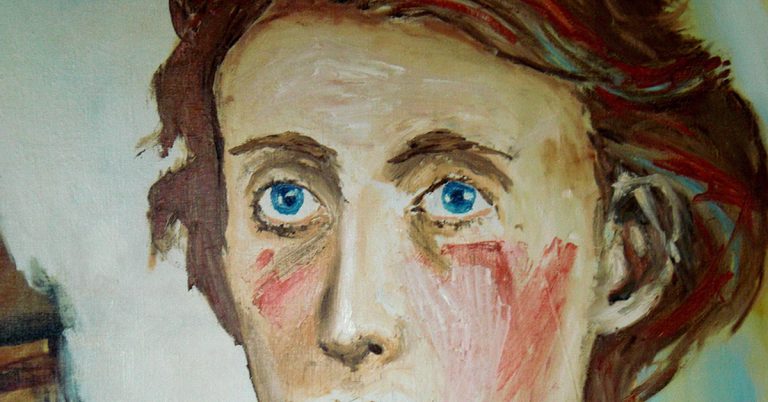
Interview with Maggie Humm
Maggie Humm reflects on feminist criticism, life-writing, and Virginia Woolf’s influence.


Maggie Humm reflects on feminist criticism, life-writing, and Virginia Woolf’s influence.
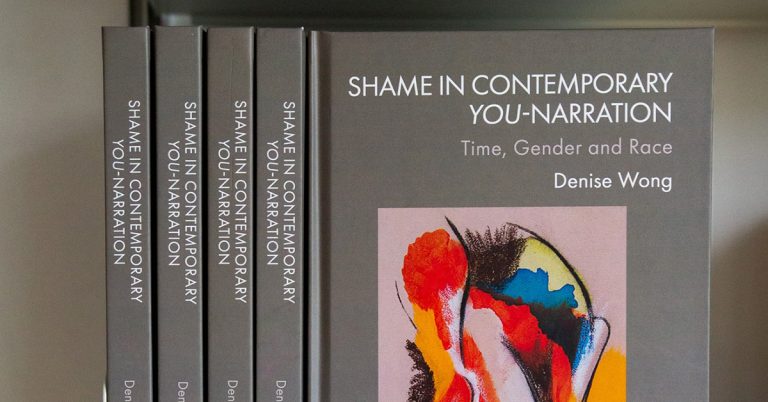
Denise Wong discusses Shame in Contemporary You-Narration, exploring second-person storytelling, shame, temporality, and narrative experimentation across literature and media.
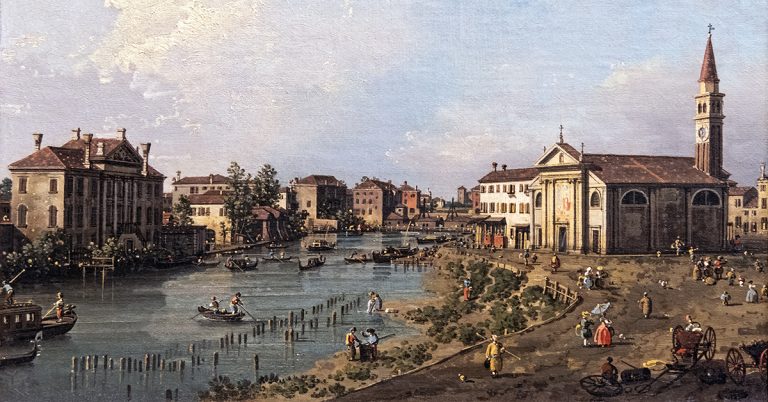
Elin Käck discusses the role of American poets’ travels to Europe in the evolution of modern American poetry and literary history in general.
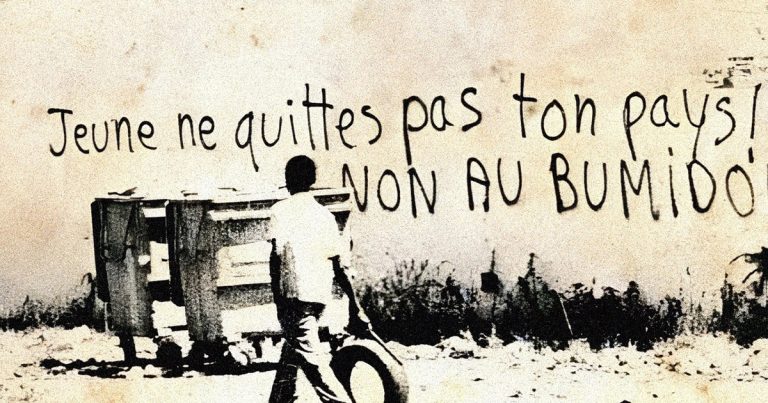
Antonia Wimbush explores how cultural works preserve the overlooked memories of Caribbean migration to France through the BUMIDOM program and challenge France’s national narrative.
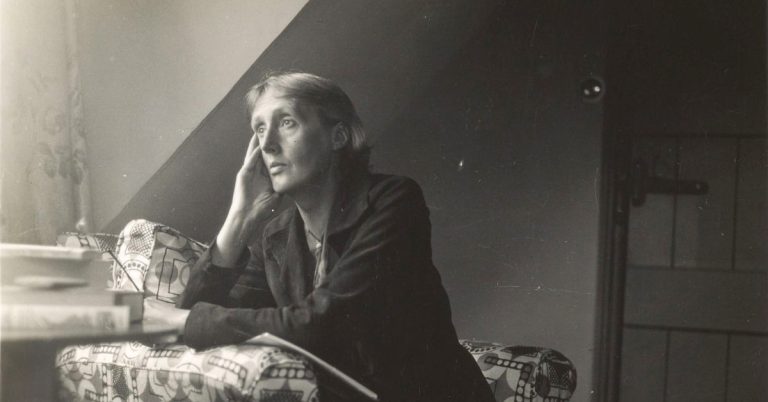
Explore how Marion Milner’s psychoanalytic reading of Mrs Dalloway reveals themes of motherhood, desire, and the transformative act of reading in modernist literature.
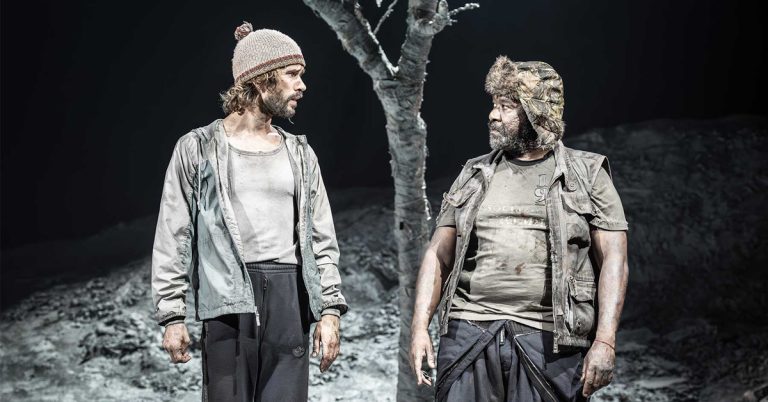
What does it mean to "find Godot" in a world of multiple versions and theatrical interpretations?
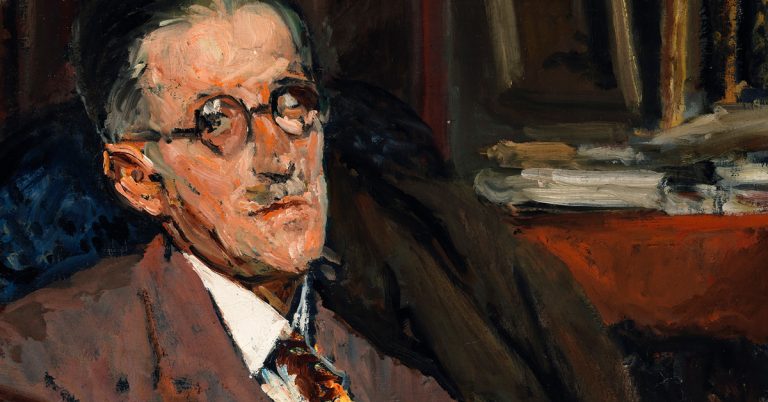
Richard Barlow and Paul Fagan discuss their exciting new essay collection on the work of Irish author James Joyce.
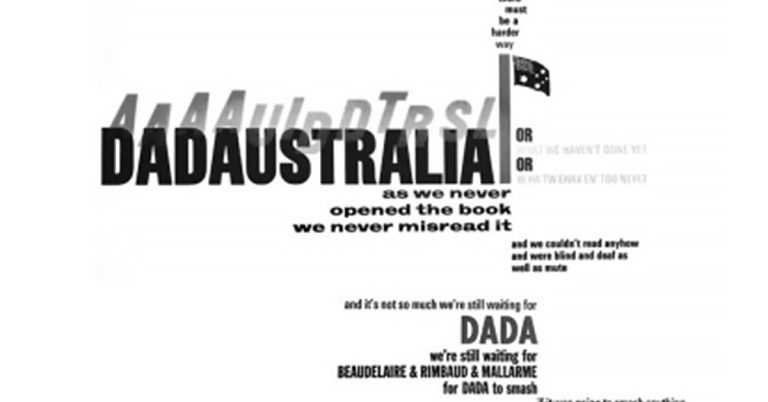
Did Australia invent the idea of the avant-garde?
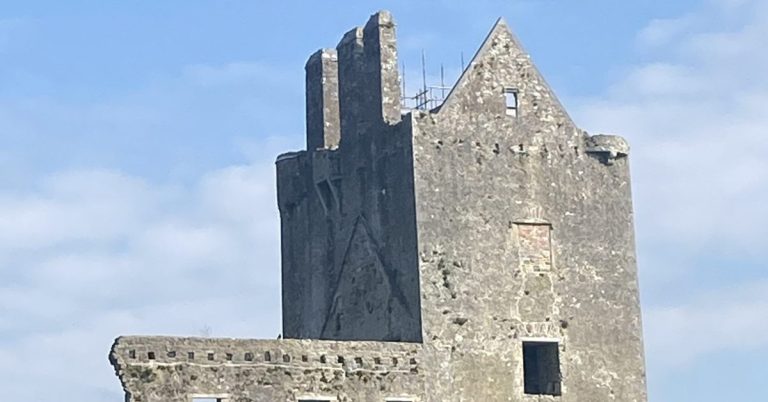
Cora Crampton explores a lesser-known aspect of W. B. Yeats’s oeuvre - his collaboration with Frank O’Connor in the translation of Irish language poetry during the 1930s.