

by John Parnell

The IRSS is the leading interdisciplinary journal for international scholarship on Scottish history and culture.
It’s widely known that south-west Scotland benefited greatly from slavery in the West Indies, especially by the production of sugar and rum on the plantations there in the late eighteenth and early nineteenth centuries. Much of the rum was smuggled into Scotland, especially on the Ayrshire and Galloway coasts where it helped to drive the local economy. But looking at how the government revenue service dealt with the smugglers reveals a surprising consequence.
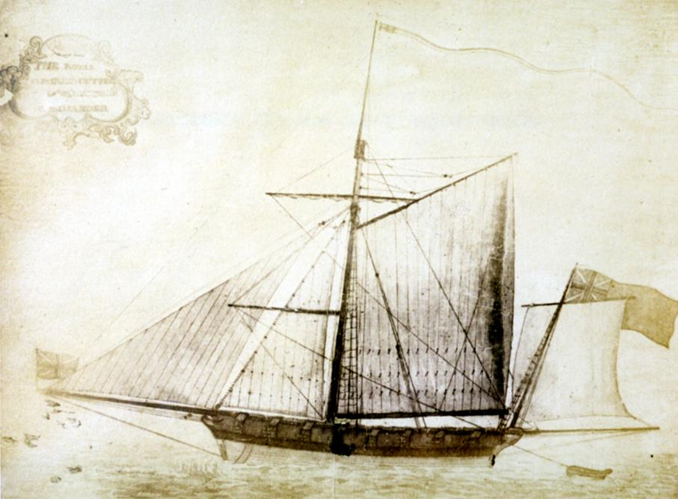
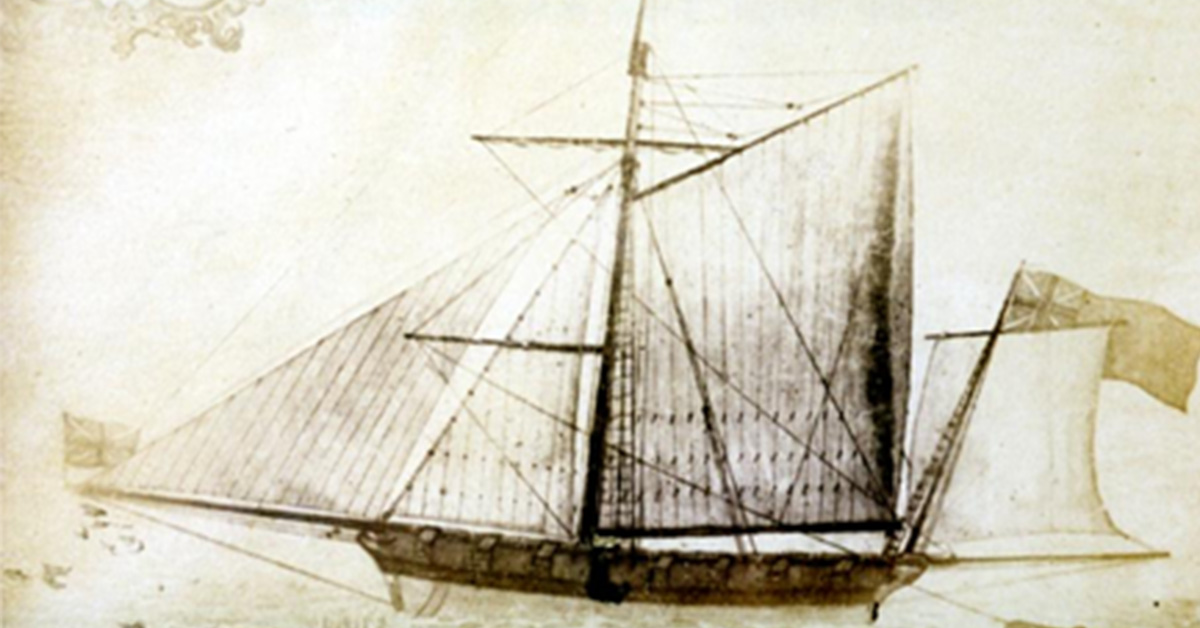
The revenue men were entitled to ‘prize’ money from recaptured rum and other goods, and in at least one case that money was invested in slavery and further rum production back in the Caribbean. Taking out a bond with a plantation owner was like going to a bank today to invest in a contract with stated terms and conditions for a fixed term, and a rate of interest which came back to Scotland. That’s what we call a positive feedback loop. A feedback loop can be a very good way to generate income for everyone in the chain, except the slaves of course. The profits returned to Scotland and helped the growth of the region. It allowed investment into good housing and the attraction of a professional class.
The key to discovering such a chain of events, and the subsequent consequences, lies in the wills and testaments of sailors and their dependents. These give us the sums of money involved and an idea of the present-day equivalent wealth from simple online conversion calculators. Slavery seems entirely unethical to us now, but feelings about it were mixed at the time, when the pro-slave lobby argued that slaves were well fed while the poor went hungry in some British cities. The impoverished man who willingly goes to prison for three square meals a day, and there are such people in Britain today, has some resonance with this.
About the editor
John Parnell is a Professor of Geosciences at the University of Aberdeen. He has published over 400 scientific papers.