
By Belal Abu-Alabbas
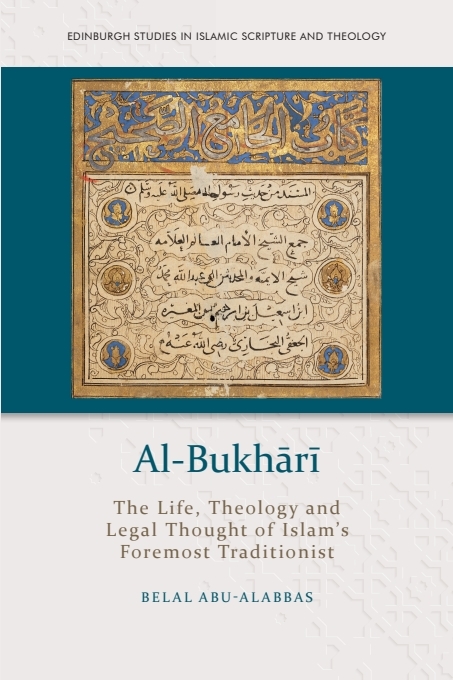
Al-Bukhārī: The Life, Theology and Legal Thought of Islam’s Foremost Traditionist offers the first comprehensive critical biography of Muhammad ibn Ismāʿīl al-Bukhārī.
Tell us a bit about your book.
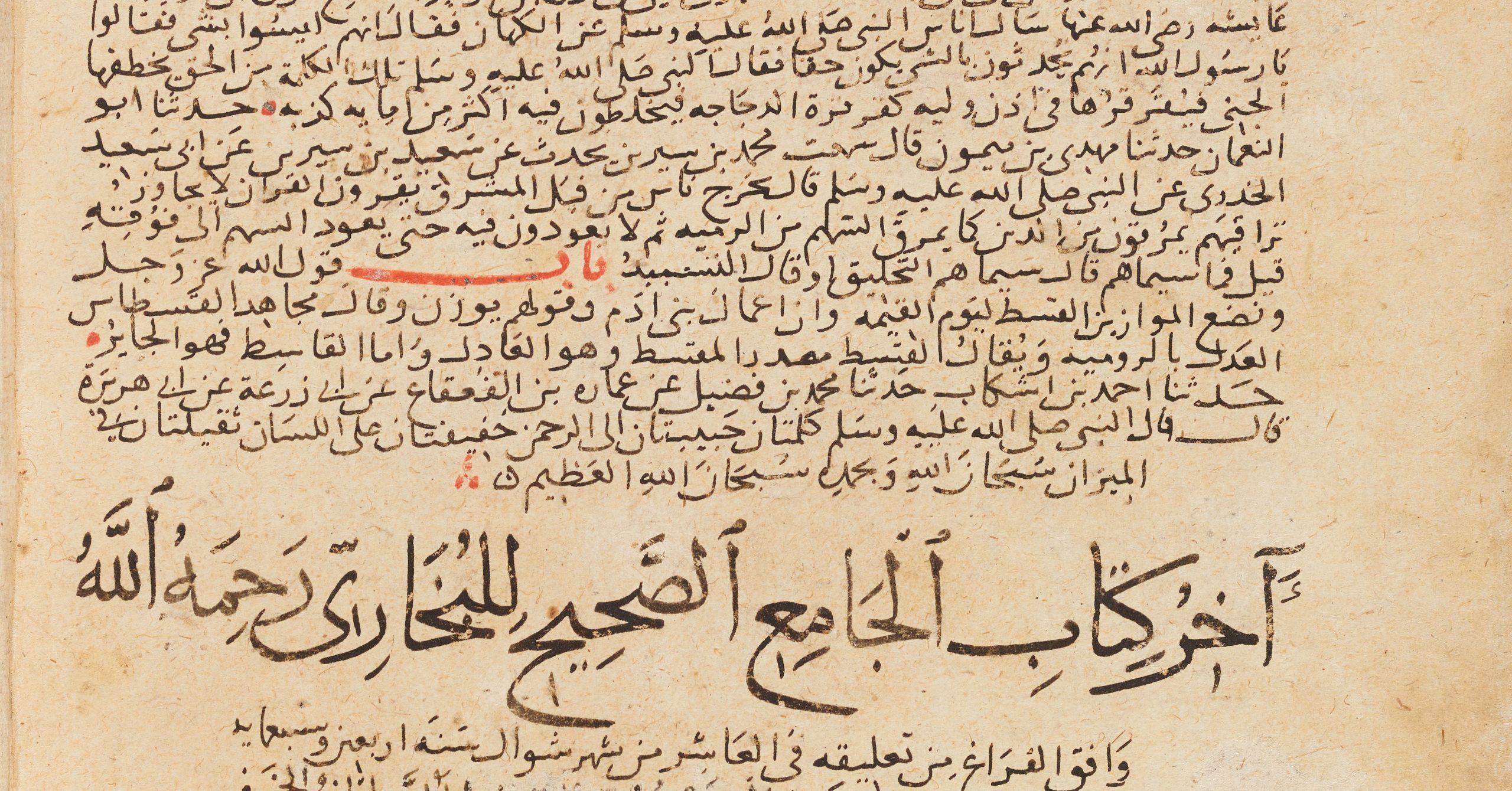
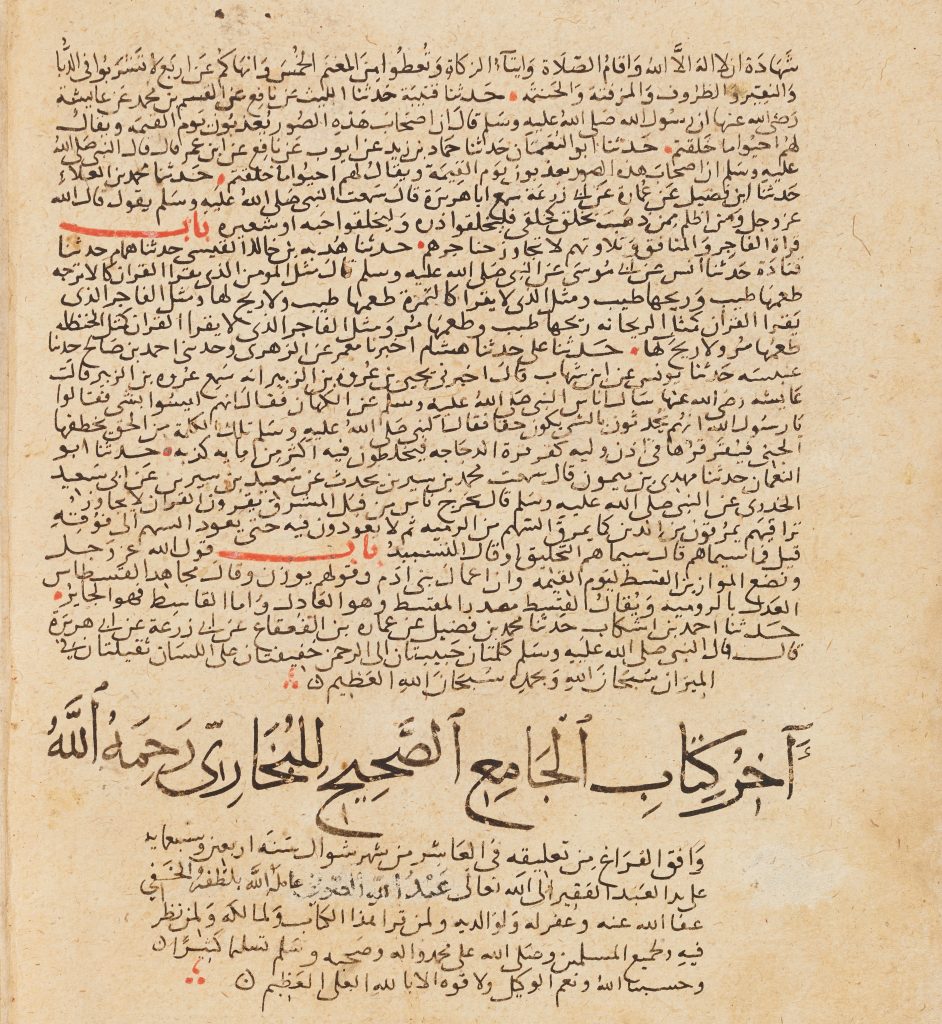
This book is about discovering the enduring legacy of al-Bukhārī, one of the most influential minds in Islamic history. His celebrated masterpiece, Ṣaḥīḥ al-Bukhārī, is widely regarded as the most authoritative compilation about the Prophet’s teachings in Sunni Islam and remains the most cited work across centuries of Islamic scholarship. This book brings al-Bukhārī’s world to life, offering a rich and accessible exploration of his journey, ideas and impact. Delving into his intellectual formation, methods of hadith verification and the social and political forces that shaped his work, it presents a compelling portrait of a scholar whose influence still resonates today. Blending historical insight with sharp analysis, this book is an essential read for anyone interested in the roots of Islamic thought, law and devotion.
What inspired you to research this area?
This book began in 2014 during my graduate studies at the University of Oxford, when I set out to explore the life of al-Bukhārī and tackle a central question in scholarship: what criteria did he use to select hadiths for his Ṣaḥīḥ? Initially, I intended to focus exclusively on his methods of hadith criticism. However, as I immersed myself in his writings, it became clear that limiting the study to this single dimension would do a disservice to the breadth of al-Bukhārī’s intellectual legacy. I therefore shifted course, reframing the project as a full intellectual biography. In the final work, hadith criticism occupies just over ten per cent, while the greater part is devoted to analysing his theological outlook and legal reasoning.
What was the most exciting thing about this project for you?
A particularly significant aspect of this book is its close and careful reconstruction of the life of al-Bukhārī, from his formative years to his extensive travels (riḥlas) in pursuit of hadith, and the complex events that shaped the final chapter of his life. Central to this effort was an extraordinary, though long-lost, biographical work authored by his devoted servant and copyist, Abū Jaʿfar al-Warrāq. Al-Warrāq, who regarded al-Bukhārī with deep affection akin to that of a son for his father, composed this account in the immediate aftermath of his sudden death, driven by profound love and reverence. Although the original work has not survived, it has been possible to reconstruct substantial portions of it through careful analysis of two later sources. This reconstruction offers a rare and intimate glimpse into al-Bukhārī’s life, one that readers will come to appreciate for both its historical value and emotional depth. Indeed, it was this very discovery that prompted a decisive shift in the direction of my research during my time at Oxford, transforming the project into the intellectual biography presented here.
As the project developed, I found myself increasingly drawn to al-Bukhārī’s theological thought, an aspect of his legacy that readers of this book will soon appreciate. Far from being a passive transmitter, al-Bukhārī was deeply engaged in the theological debates of his time, advancing arguments that have often been attributed only to later figures such as Abū Manṣūr al-Māturīdī (d. 333/944). This fresh perspective emerged largely from a deliberate methodological choice: to prioritise al-Bukhārī’s own writings as the primary lens through which to understand his thought. These were carefully read alongside contemporary sources, including the works of his teachers, peers, students, and even his critics. By situating him within this vibrant intellectual network, a far more dynamic and original thinker comes into view—one whose contributions to theology are both substantial and, until now, underappreciated.
Did you discover anything particularly surprising?
What struck me most in the course of this research was how significantly al-Bukhārī’s theological and legal thinking has been sidelined over the centuries. While his legal acumen has long been acknowledged, it has too often remained just that: an acknowledgement, rather than the subject of sustained and detailed critical study. I argue that this neglect is partly a consequence of al-Bukhārī’s unparalleled status as a foremost transmitter of the Prophetic legacy through his Ṣaḥīḥ. As his work came to be seen as an archetypal representation of the Prophet’s teachings, his own scholarly identity gradually became intertwined with that of the Prophet himself. In this process, the more contested aspects of his theological and legal thought were increasingly muted, while his authority in hadith was elevated above all else. Over time, this contributed to the image of al-Bukhārī as a figure standing above the fray of scholastic debate, seemingly untouched by the legal and theological disagreements that defined his intellectual milieu. Indeed, so universal did his authority become that nearly all the major legal schools (madhāhib) would, in time, lay claim to him as one of their own.
Has your research in this area changed the way you see the world today?
This research has ultimately reshaped the way I approach not only the past but knowledge itself. It emphasised the importance of looking beyond the obvious, of returning to primary sources with fresh eyes and allowing them to speak on their own terms, rather than through the lens of inherited assumptions and preconditioned narratives. In doing so, I came to see how much of our understanding of the past has been filtered, simplified, or quietly reframed over time. This realisation has now led me into new research projects driven by the same spirit of rediscovery, seeking to uncover how revisiting the sources may yet transform the way we understand the scholars of the past and the intellectual worlds they inhabited.
About the author
Dr Belal Abu-Alabbas, B.A. (Al-Azhar), DPhil (Oxford), is a historian of Islamic intellectual and legal thought (7th–13th centuries). His research focuses on the hadith corpus, Islamic law and theology in the formative and classical periods. Dr Abu-Alabbas is a Lecturer at Cambridge Muslim College and Al-Azhar University. He has previously held lectureships at the University of Nottingham and the University of Bristol, and a British Academy International Fellowship at the University of Exeter. Among his publications is Modern Hadith Studies: Continuing Debates and New Approaches (Edinburgh: Edinburgh University Press, 2020), edited with Michael Dann and Christopher Melchert.