
-
5 Dimensions of Affect in Bergson’s Philosophy
Read more: 5 Dimensions of Affect in Bergson’s PhilosophyHenri Bergson's philosophy reveals time as a continuous and interconnected melody.


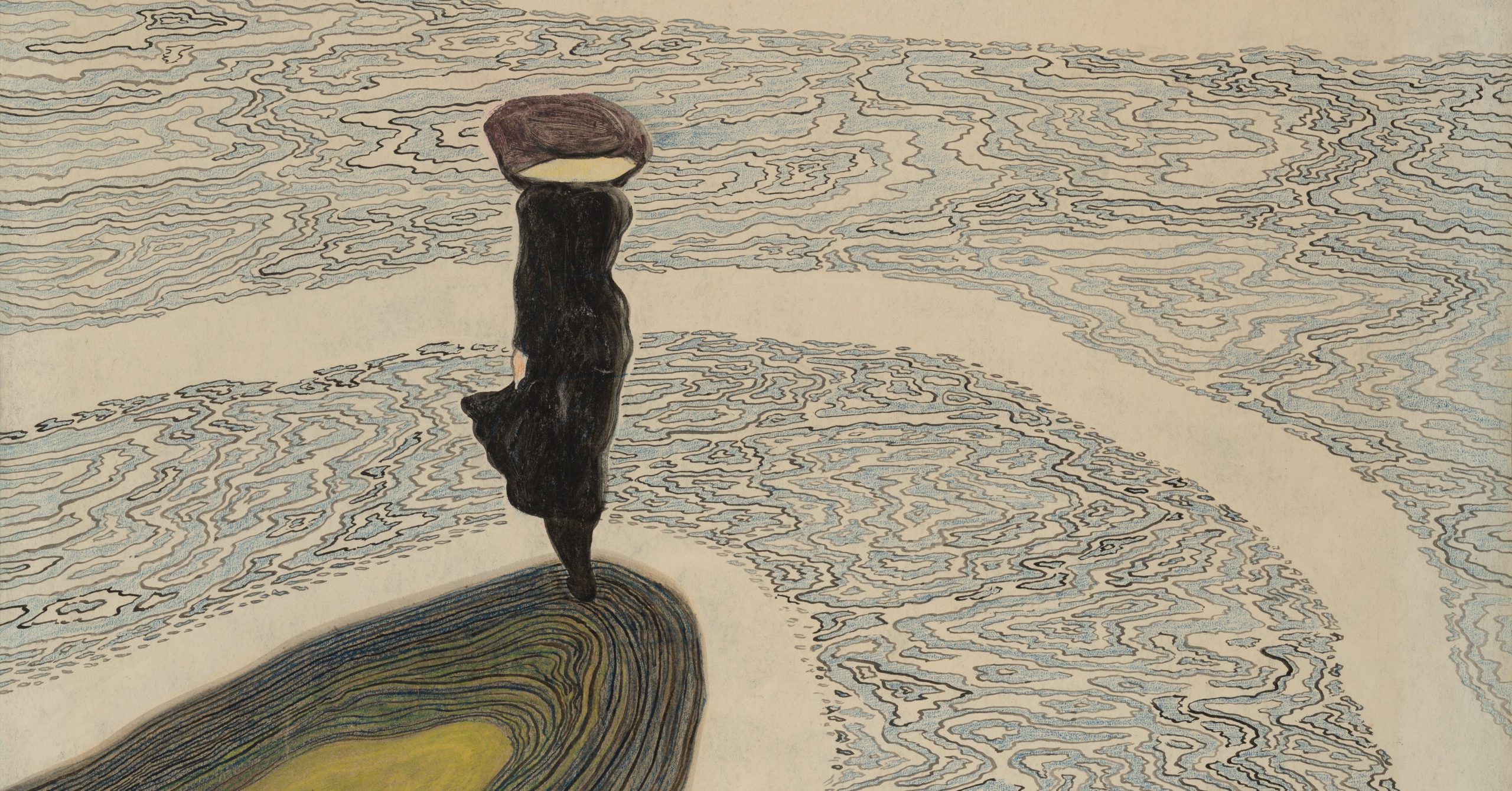
Henri Bergson's philosophy reveals time as a continuous and interconnected melody.
By Lynne Pearce Quite apart from its utility as a means of transport – or, indeed, its significance as a status-symbol – the twentieth-automobile has provided drivers and passengers with a personalised refuge and thought-space in which to touch base…

By Lynne Pearce Both in the news and among those academics whose work is concerned with transport futures there appears to be a widespread assumption that driverless cars are both inevitable and desirable. While there is, as yet, no coherent…

By David Barnes With President Obama’s intervention in the British EU Referendum debate still fresh in the mind, it’s worth reflecting on the importance of the transatlantic axis for culture and history. For the Exit camp Obama’s intervention proved the…

By Claire White In France, the turn of the millennium ushered in a bold, and controversial, act of legal reform that sought to reshape the French citizen’s working life: the introduction of a 35-hour working week. For many, the law…

By Bill Angus If you have ever wondered what was really going on in the secret overhearing and tacit observations, the metadramatic inner-plays and devices which Shakespeare constantly revisits, you may have been told that he was ‘playing with the…

By Sean McEvoy William Shakespeare died four hundred years ago. We know he departed this life on 23 April 1616 because the parish register at Holy Trinity Church Stratford-upon-Avon records the fact. But we don’t have the same proof that…

By Kevin Curran, University of Lausanne What is it about Shakespeare’s writing that makes it endure? Why do his plays and poems continue to entertain, engage, and instruct more than 400 years on? I think it might have something to do with…

By Lucyna Krawczyk-Żywko Sherlock Holmes, “the most portrayed literary human character in film and TV” (Guinness World Records News), is skilled at disguising himself and adjusting to different circumstances and yet remaining himself. Few literary characters lose so little in…

By Kelly Stage In 1605, Ben Jonson and George Chapman found themselves in prison because parts of their play Eastward Ho (written also with James Marston) had offended King James’s Scottish favourite, Sir James Murray. Jonson and Chapman took to…