• A black-and-white photo of a large neoclassical stone building with tall fluted columns, a triangular pediment, and ornate detailing along the roofline. The structure has a monumental, temple-like appearance, with dark shadows emphasizing the architectural features. Bushes and smaller adjoining sections of the building are visible in the foreground and left side.

The Absence of God and Its Contextual Significance for Hume

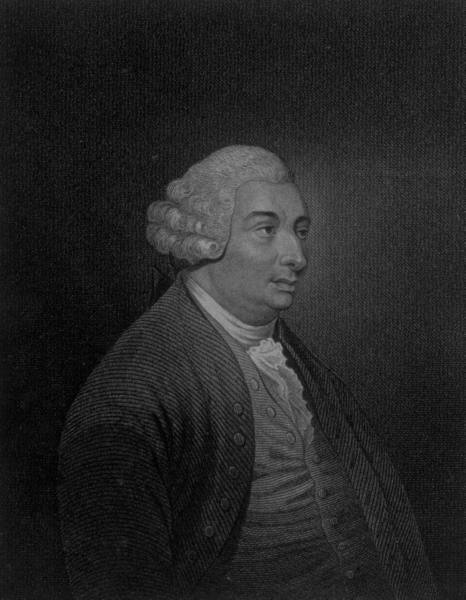
In our featured article this week, “The Absence of God and Its Contextual Significance for Hume”, David Fergusson of the University of Edinburgh sets Hume’s thoroughgoing religious scepticism within the context of the Scottish Enlightenment. Much of Hume scholarship today…

Empiricism – An Extract from The Meillassoux Dictionary

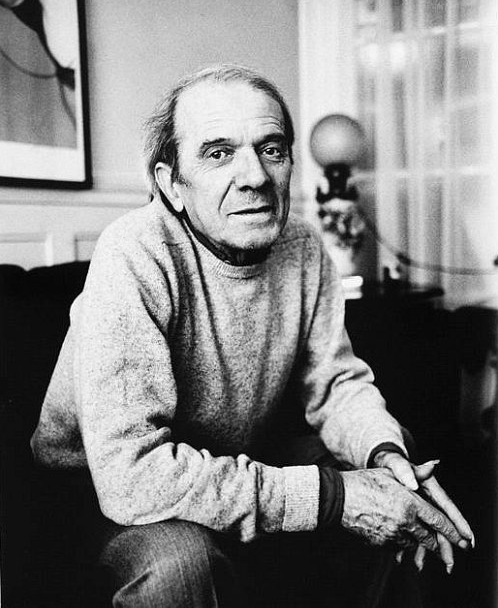
EMPIRICISM Adrian Johnston Before addressing Meillassoux’s positioning vis-à-vis empiricism proper as an epistemological orientation in philosophy, I should say a few words about his relations with things empirical, specifically as per the empirical sciences resting upon a posteriori observation and…

Realism and Scepticism

By Gordon Graham For the Scottish philosophers of the 18th and 19th centuries, Hume was the great ‘sceptic’ awaiting an answer, which many of them thought Thomas Reid had provided. Thanks to Norman Kemp Smith’s seminal papers, philosophers in the…

Common Sense and Moral Philosophy

By Gordon Graham Scottish philosophy has regularly been identified with the ‘School of Common Sense’ because of the high regard in which Thomas Reid’s Inquiry was held in his lifetime and for many decades thereafter. Nevertheless, some major Scottish philosophers…