
by Richard Jones

This study examines how Piper Alpha was commemorated in regional, Scottish and UK newspapers, after one, five and ten years. It aims to provide new insights into media coverage of this important event and to identify functions of such commemorative reporting.
Piper Alpha remains the world’s worst offshore oil disaster. 167 men died when the platform blew up in July 1988. It was an appalling human tragedy felt particularly keenly in Aberdeen, then as now the most important hub for the North Sea oil and gas industry. Journalism produced on the anniversaries of notable historic moments can reinterpret the meanings of those events and make sure they retain a place in a society’s shared consciousness. The aftermath of Piper Alpha was extensively covered by regional, national and international media. This study has examined how the disaster was commemorated by six newspapers in Aberdeen, Scotland and the UK, after one, five and ten years. It gives insights into media reflections on Piper Alpha and uses those to develop a new framework to identify five main purposes of such anniversary journalism.
Memorialising
The stories of those directly involved and their reflections on the passage of time.
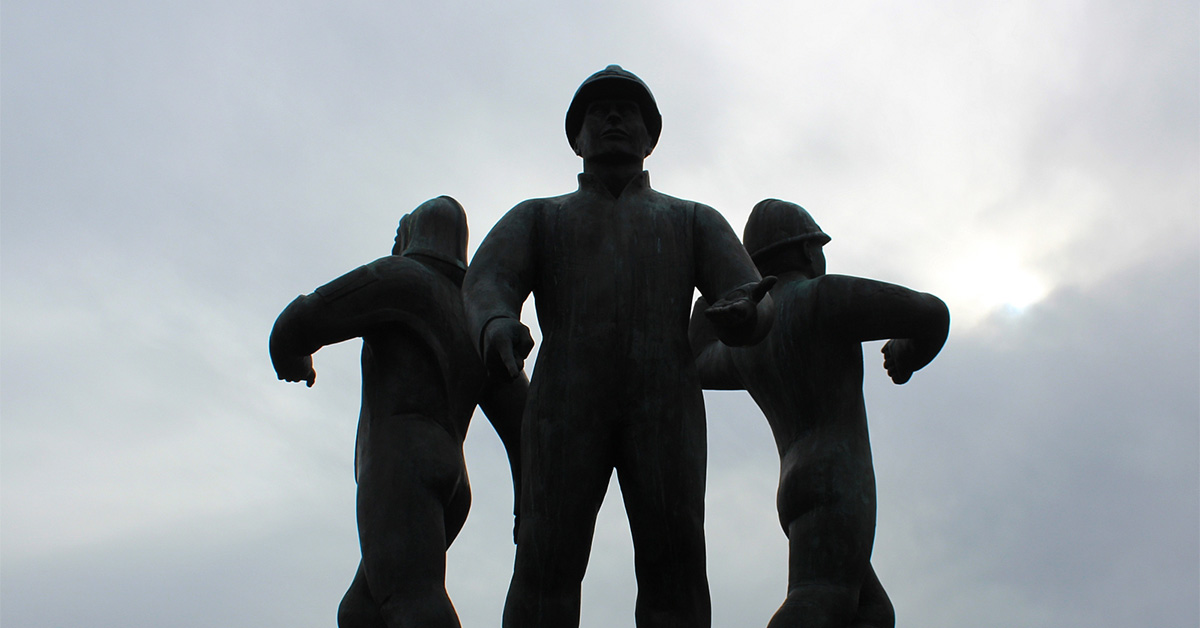
There were six newspapers in the sample: the Aberdeen Press and Journal and Evening Express, the Scotland-wide Scotsman and Daily Record and the London editions of the Daily Mirror and Daily Express. Remembering Piper Alpha and its victims was central to much of their anniversary journalism. The idea the tragedy and the dead men must not be forgotten was regularly repeated. Certain survivors and bereaved relatives became increasingly prominent as media spokespeople and were quoted a lot more than others such as politicians, union officials or religious leaders. This shows how members of the public caught up in terrible events can play a central role in how they are commemorated.
Campaigning
Calls for change resulting from an event and its aftermath, and support for or opposition to these.
The dominant Scottish newspaper, the tabloid Daily Record, had a critical, emotional thread in its anniversary news reporting. Meanwhile, Aberdeen broadsheet the Press and Journal, used to regular coverage of the industry, was keener to give its leaders a sympathetic hearing despite failings exposed by the tragedy. Newspapers increasingly took positions on the question of whether bosses of oil company Occidental should face criminal charges or not. As time passes, the focus of anniversary journalism can therefore subtly shift from the event being commemorated to tackling related issues seen as still unresolved.
Covering commemorative events
Previewing and reporting on memorial services and similar occasions.
Events held after one, five and ten years were widely covered. These provided opportunities for journalists to gain fresh material through interviews with attendees and the content of the services themselves. A young Michael Gove, long before his political career, was one of the junior reporters sent by the P&J to a service as part of its first anniversary coverage. The emergence of separate commemorations by 1998 amid conflict between some survivors and the oil industry not only gave the media more events to cover, but that public friction helped make them yet more newsworthy.
Explaining
Recapping, explaining and investigating the causes and timeline of an incident.
The anniversaries were used by newspapers to remind readers of the details of the tragedy and explain what had become known about how it happened. Going over the same traumatic story has previously been identified as common in more local coverage of disasters, and that was again the case here in the Aberdeen titles. The fact the in-depth Cullen Inquiry had taken place, and the volume of information it brought into the public domain, made it straightforward for all media to recap and explain Piper Alpha in as much or as little detail as required.
Using as a hook for other stories
Elevating the prominence of a news story by connecting it to a past event and incorporating anniversary journalism into contemporary reporting on a related topic.
The anniversaries coincided with related news about the offshore industry, helping increase the prominence of both those stories and the commemorations themselves. This included industrial action by North Sea workers, a conference about offshore safety, and a fatal accident involving two maintenance workers just before the tenth anniversary. Newspapers often linked the two in their coverage, giving each greater newsworthiness and in turn prominence.
Conclusion
This study shows how Piper Alpha’s anniversaries were narrated by print newspapers during an era when they remained both highly influential and widely consumed, especially in Scotland. Today, perhaps even more than then, journalism is important to our understanding of the past, and commemorations of significant historic events offer the potential for reflection amid a constant stream of content. This framework is different to lists produced about other events in alternative contexts, suggesting this area of journalism and memory research is still developing. Yet I hope this contribution helps others provide further insights into these moments of anniversary journalism.
About the author
Richard Jones is Director of Media, Film, Journalism, Politics and History at the University of Salford. Originally from Aberdeen, he previously worked as a journalist for Sky News, the BBC and others.