Skip to content
  • Cultural Studies
    • French Studies
    • Gender Studies
    • Irish Studies
    • Film and TV
    • Theatre and Dance
    • Islamic and Middle Eastern Studies
  • History
    • British History
    • Classics and Ancient History
    • Cultural History
    • Natural History
    • Religious History
    • Scottish History
    • World History
  • Language and Literature
    • Modernism
    • Literary Theory
    • Pre 19th Century Literary Studies
    • Post 19th Century Literary Studies
    • Scottish Literature
    • Atlantic Literature
    • Linguistics
  • Law
    • Comparative Law
    • European Law
    • Islamic Law
    • Roman Law
    • Scots Law
  • Politics, Philosophy and Religion
    • Religion
    • Philosophy
    • Politics
    • Political Philosophy
    • Scottish Politics
    • Film Philosophy
  • Publishing

  • About Us
  • Journals
  • Books
  • SUBSCRIBE TO OUR BLOG
Edinburgh University Press Blog

No results
  • Cultural Studies
    • French Studies
    • Gender Studies
    • Irish Studies
    • Film and TV
    • Theatre and Dance
    • Islamic and Middle Eastern Studies
  • History
    • British History
    • Classics and Ancient History
    • Cultural History
    • Natural History
    • Religious History
    • Scottish History
    • World History
  • Language and Literature
    • Modernism
    • Literary Theory
    • Pre 19th Century Literary Studies
    • Post 19th Century Literary Studies
    • Scottish Literature
    • Atlantic Literature
    • Linguistics
  • Law
    • Comparative Law
    • European Law
    • Islamic Law
    • Roman Law
    • Scots Law
  • Politics, Philosophy and Religion
    • Religion
    • Philosophy
    • Politics
    • Political Philosophy
    • Scottish Politics
    • Film Philosophy
  • Publishing
  • Interview with Maggie Humm

    Maggie Humm reflects on feminist criticism, life-writing, and Virginia Woolf’s influence.

    April 17, 2026
    Read more: Interview with Maggie Humm

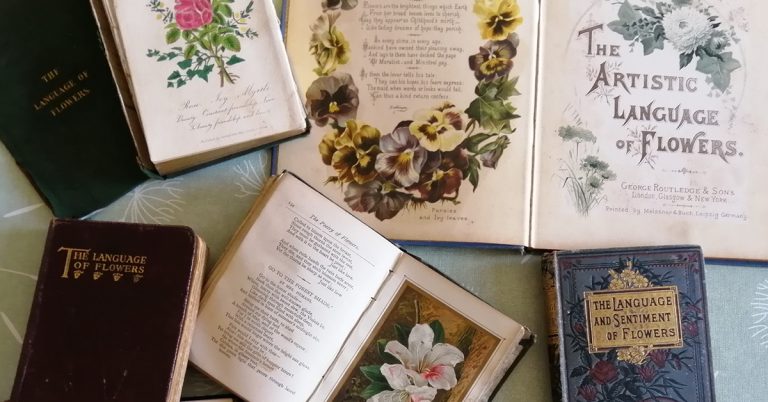
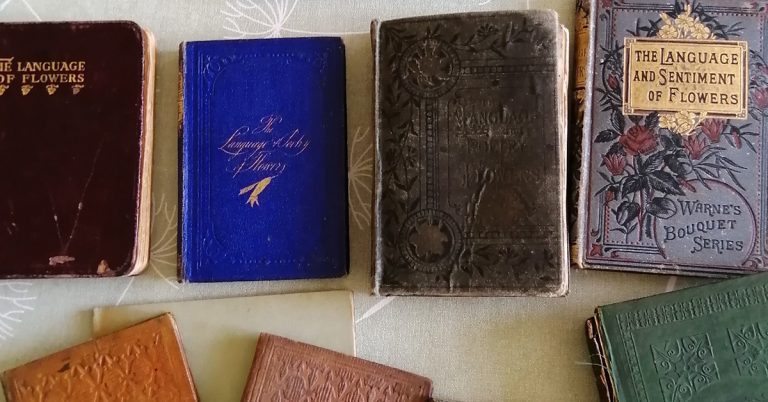
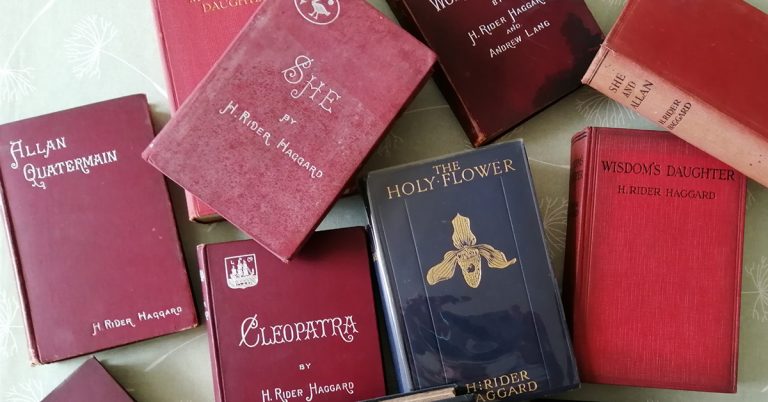
The Poisonous Flowers of H. Rider Haggard’s Cleopatra: Part Three

By Jemma Stewart Read Part 1 and Part 2 of this blog series. Rose Roses…have ever reigned as queens of flowers.[i] The rose bloomed in Ancient Egypt, as Jack Goody attests: Above all there was the hundred-petalled rose, which became…

  • Teri Williams
  • October 16, 2020

The Poisonous Flowers of H. Rider Haggard’s Cleopatra: Part Two

By Jemma Stewart Read Part 1 of this blog series. Lotus And as the voice spoke, a cold hand touched my hand … As the light came back, I gazed upon that which had been left within my hand. It…

  • Teri Williams
  • October 15, 2020

The Poisonous Flowers of H. Rider Haggard’s Cleopatra: Part One

By Jemma Stewart H. Rider Haggard’s Gothic Garden In the Gothic Studies articles ‘Blooming Marvel’ and ‘She shook her heavy tresses’, I assess the ways in which floral symbolism (or floriography) in Bram Stoker’s Dracula (1897) and H. Rider Haggard’s…

  • Teri Williams
  • October 14, 2020

Culture Wars, Talking Pictures and the Telegraph: Part Two

By Julian Petley and Andrew Roberts Catch up with Part One of Culture Wars, Talking Pictures and the Telegraph For Heffer, ‘the lesson of Talking Pictures is clear. It portrays the England millions of us wish we still lived in’.…

  • Teri Williams
  • September 24, 2020
  • 1 Comment

Culture Wars, Talking Pictures and the Telegraph: Part One

By Julian Petley and Andrew Roberts Author’s Note: Given the current state of culture war, the Journal of British Cinema and Television is extremely keen to encourage further discussion of the sort of topics covered in this blog post, which…

  • Teri Williams
  • September 23, 2020

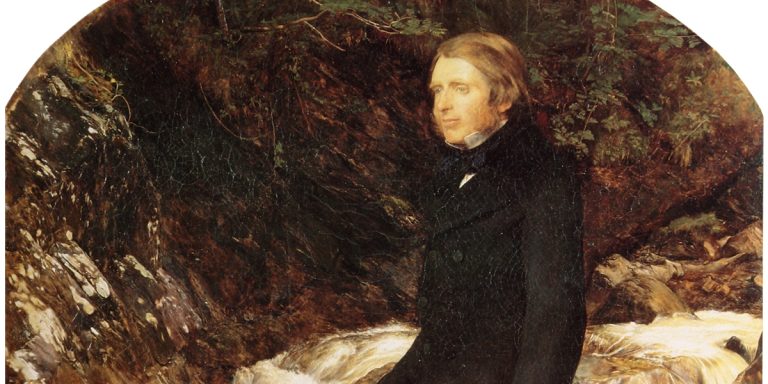
Drawing as Discovery: The Clothing of John Ruskin

By Dr Ingrid E. Mida In April 2018, I was invited by artist Sarah Casey, as part of a collaborative project partially funded by the British Council and Arts Council England, to don my dress detective hat and study the…

  • Teri Williams
  • August 25, 2020
  • 1 Comment

Children’s lives disrupted: in French history and today

By Siân Reynolds When  we were preparing this special issue of Nottingham French Studies (59: 2) which I have guest-edited, we did not know that by the time it appeared the world would be in the grip of the COVID-19…

  • Teri Williams
  • July 27, 2020

Q&A – Richard Canning and Kate Levey on Brigid Brophy

Richard Canning interviews Kate Levey, Brigid Brophy's daughter, on her thoughts on mother, her writing and her influence.

  • Carla Hepburn
  • July 2, 2020
Health in Afghanistan

Health Service Provision Challenges in 19th-century Afghanistan and Now

By Namatullah Kadrie The COVID-19 pandemic is only the latest of many public health crises that have struck Afghanistan—and that have made the country a site of international intervention by medical experts. Indeed, it was the fifth international cholera epidemic…

  • Teri Williams
  • May 25, 2020
Prev
1 … 5 6 7 8 9 10 11 … 14
Next

Popular Posts

Interview with Maggie Humm

Stone gargoyle perched on Notre-Dame Cathedral overlooking the dense rooftops of Paris, with the Seine River running alongside the city and the Eiffel Tower visible in the distance beneath a dramatic, cloud-filled sky.

Q&A on French Horror

A dimly lit movie theater filled with seated audience members facing a large, brightly glowing screen. Rows of red upholstered seats extend toward the front, and the ceiling features curved architectural details with recessed panels. The atmosphere suggests a film screening in progress.

Five of the most unusual Sunday Opening conditions

Standing on the Shoulders of Giants: From William Still’s Underground Railroad Records to Digital Analysis

Beyond ‘girlboss feminism’: queering Irish women’s writing

Subscribe To Blog Via Email

Enter your email address to subscribe to this blog and receive notifications of new posts by email.

Copyright © 2026 - Edinburgh University Press | All Right Reserved. | Privacy Policy