
By David Webster and Chik Collins

The full article, ‘Promoting Decline: The Scottish Office, Glasgow and Regeneration Policy, 1976-2001’ can be accessed in the latest issue of Scottish Affairs.
In Spring 1997, civil servants in Edinburgh, in the pre-devolution Scottish Office (SO), faced ‘the Glasgow Problem’.
What was ‘the Glasgow Problem’?
Readers might imagine that it was shorthand for the huge challenges besetting Scotland’s largest city. As previous research has shown, Glasgow had been forced into a sustained process of decline since at least the early 1960s. Policy makers in Edinburgh had pursued a vision of a ‘modernised’ Scotland, based on new industries to be cultivated in ‘new towns’ and a few other ‘growth areas’, and on firms to be transplanted from Glasgow. Glasgow’s industrial base was designated for decline; its population to be selectively ‘redeployed’ to the new, priority settlements, moving with their jobs or to work for new employers – often inward investors.
By 1990, SO policy makers could present at least some case for the success of this policy. In 1960 Scottish economic growth lagged significantly behind that south of the border; by 1990 the gap had been eliminated.
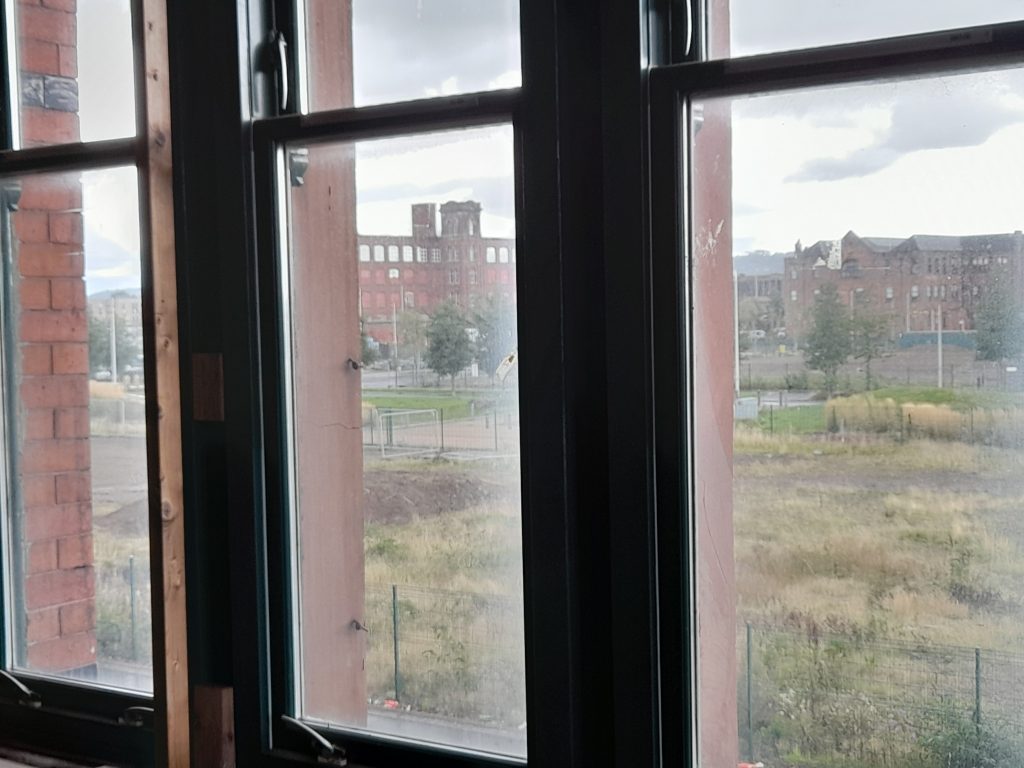
What had been the impact on Glasgow?
Previously, civil servants had recognised, at least internally, that the impact had been very bad – economically, socially, environmentally. Occasionally, they had sought ways to mitigate some of the worst harms. But they would never countenance policy change; Glasgow could not be allowed to be a priority for industrial or social investment, even as the human damage ‘piled up’.
The later 1980s were a moment of danger for the SO. Over the preceding decade, the east of the city had undergone a failed regeneration project, ‘GEAR’ – housing renewal had not been matched by economic development and employment creation. Such matching would have been counter to the prevailing SO policy.
This perhaps explains why the official evaluation of GEAR was conducted almost in secret and not independently of the SO, concluding, incorrectly, that it had been a mistake even to seek to create local employment. It was wrongly asserted that, as long as jobs were created in the much wider ‘travel to work area’, unemployed people could find their way to them. Policy, therefore, could carry on just as before.
In the early 1990s, local government officials in Glasgow became aware of this mis-evaluation, and its effects – the still-intensifying social, economic and environmental crisis in the city. The City Council mobilised a coalition of organisations to pursue meaningful regeneration – the Glasgow Regeneration Alliance. In anticipation of an incoming Labour government in 1997, the Alliance mounted a prominent campaign for change.
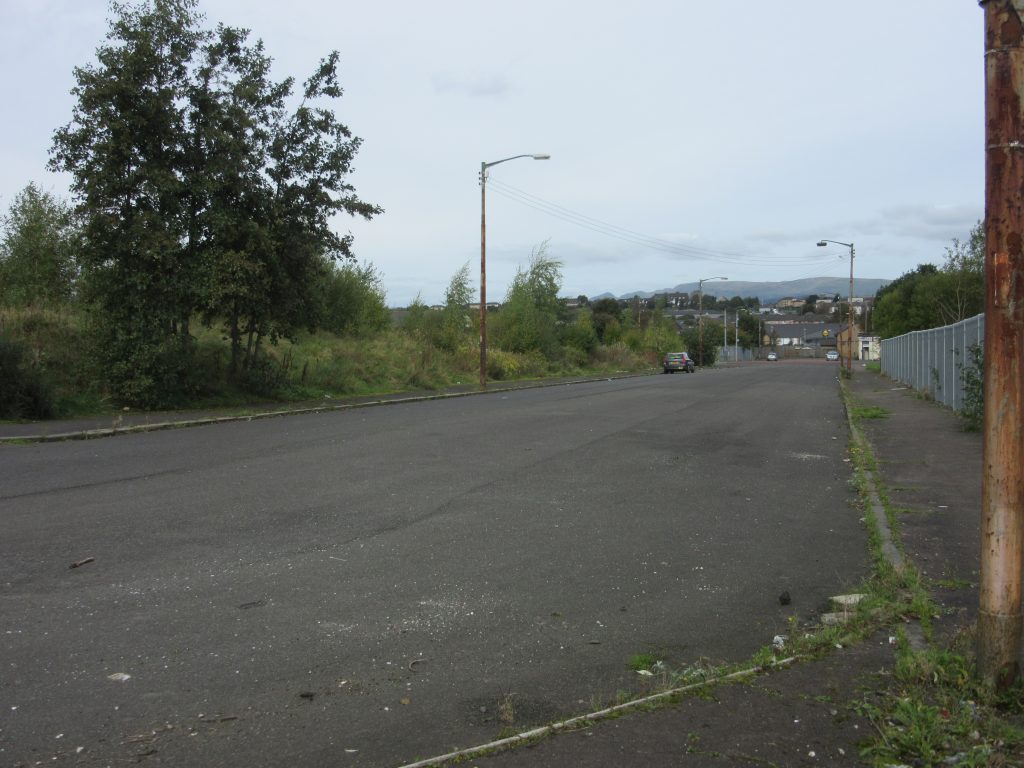
However, SO officials remained committed to promoting the decline of Glasgow in pursuit of growth elsewhere.
This is what for SO officials constituted ‘the Glasgow Problem’ – not the human consequences of three and a half decades of prejudicial policy, compounded by twenty years of Westminster neo-liberalism and two major recessions, but rather the prospect that Glasgow’s campaign might mean that the SO’s main policy for economic development in Scotland would need to adapt.
Donald Dewar, incoming Labour Secretary of State for Scotland, quickly aligned with his officials’ view. The SO archives show how the City Council was subjected to a ‘broadside’ from officials, and Dewar. Everything was the fault of the city’s leadership, which had too many of ‘the great unwaged’, was said to be always ‘girning’, blaming others for the mess it itself had created, and failing to think strategically (actually, having a different strategy from the SO).
Soon, the Glasgow coalition was neutered. The SO, with its many levers of power and influence, took control. SO officials concluded that they had mistakenly left ‘ownership of ideas about the city’s future in the hands of the Council and the Agencies in the city’. But that period was now over. Policy could, again, continue as before.
Only it couldn’t really, because the truly salient threat to SO policy came, not from Glasgow, but from unfolding changes in the global economy. This, remarkably, seems to have failed to register in the SO. Just a few years later, as the much-vaunted inward investment economy collapsed, the policy of the devolved Scottish Executive turned, belatedly, to embrace a version of the ‘cities agenda’ which had previously emerged in England.
Too late for Glasgow
Too belatedly for Glasgow, unfortunately, because before that new policy had reached implementation, the 2008 banking crisis had happened – to be followed by ‘the great recession’, austerity, Brexit, Covid, the cost-of-living crisis, and now the further unfolding energy price shock.
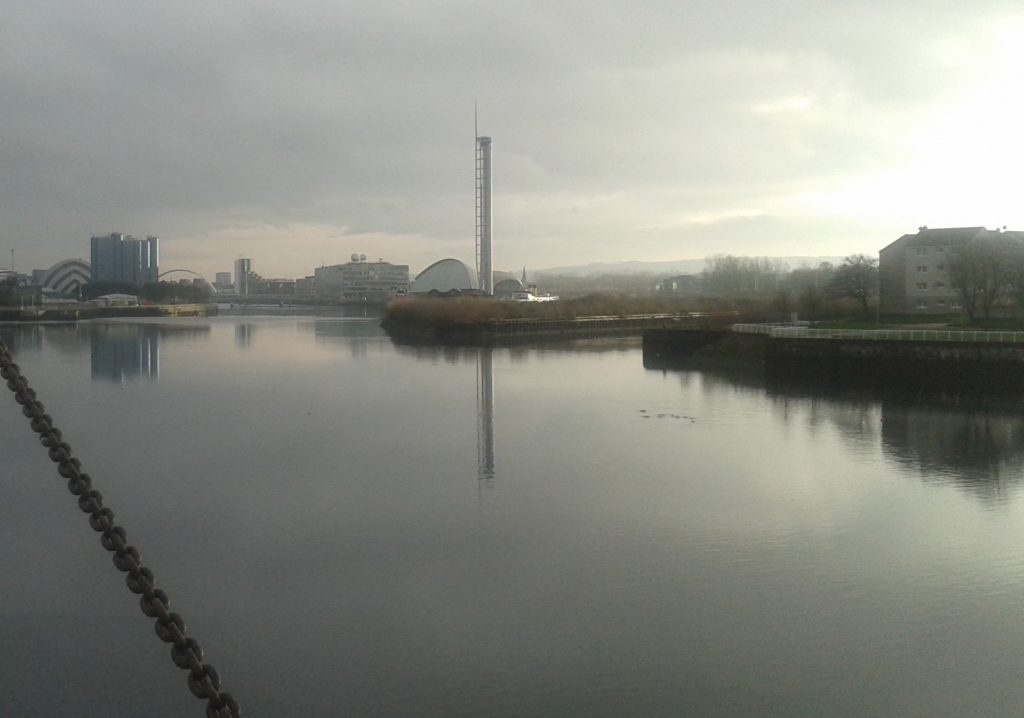
Moreover, in the post-2008 period, official prejudice against Glasgow has continued, with disproportionate cuts to local authority spending under the Scottish National Party-led administrations in Edinburgh, and a failure to recognise and respond adequately to the scale of the city’s regeneration backlog.
Glasgow is yet to find either restitution for its deeply prejudicial treatment in the past, or reasonable priority of treatment in the present.
About the Authors
David Webster was Glasgow City Council’s Housing Strategy Manager from 1981 to 2010. He is Honorary Senior Research Fellow, Urban Studies, University of Glasgow, and a Fellow of the Academy of Social Sciences.
Chik Collins was Director of the Glasgow Centre for Population Health (2023-2025), Rector of the University of the Faroe Islands (UFI – 2019-22) and Professor of Applied Social Science at the University of the West of Scotland (1996-2019).
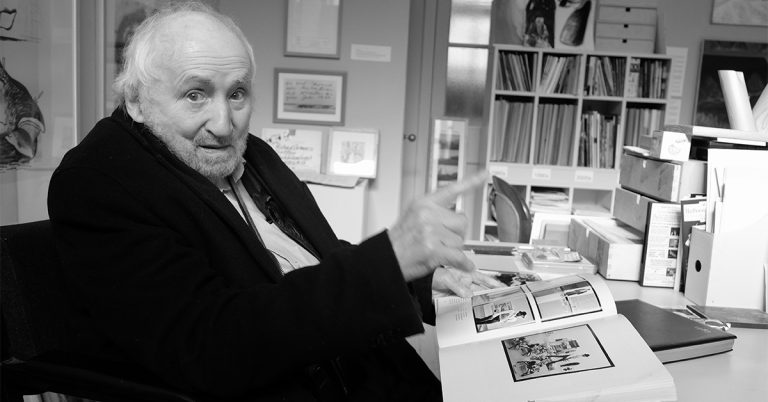
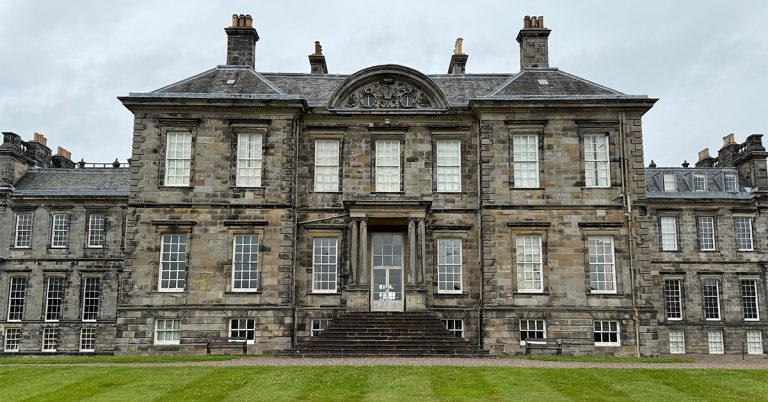
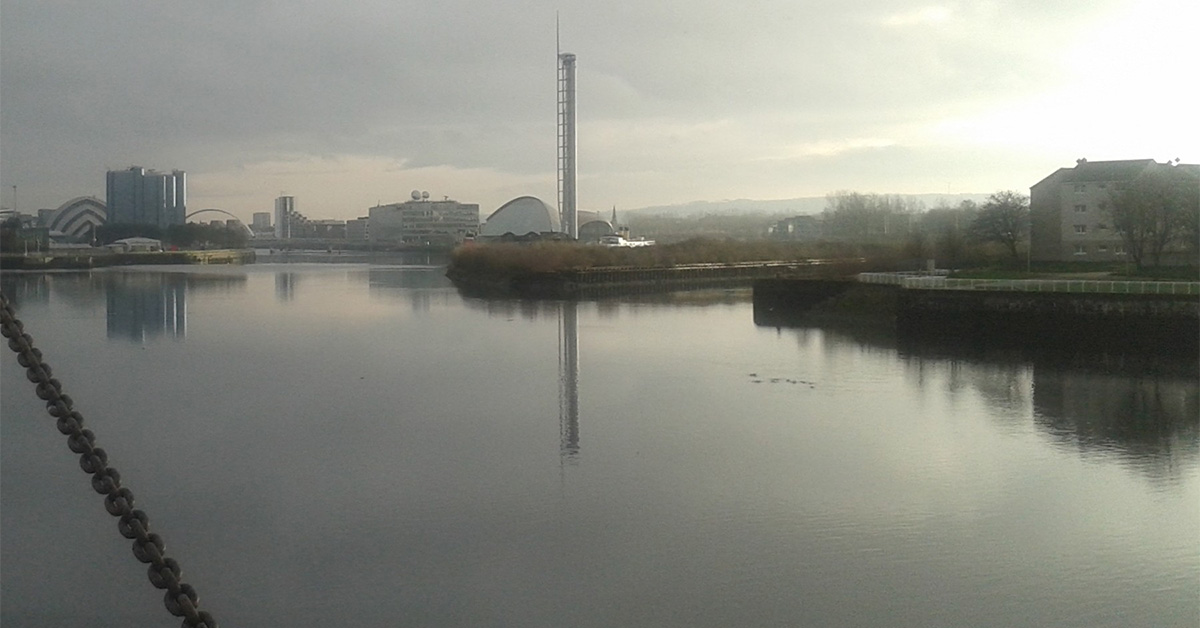
All images were captured personally by David Webster between 2017 and 2022.