Skip to content
  • Cultural Studies
    • French Studies
    • Gender Studies
    • Irish Studies
    • Islamic and Middle Eastern Studies
    • Film Studies
    • Theatre and Dance
    • Cultural History
  • History
    • British History
    • Cultural History
    • Natural History
    • Religious History
    • Scottish History
    • World History
  • Language and Literature
    • Modernism
    • Literary Theory
    • Pre-19th Century Literary Studies
    • Post-19th Century Literary Studies
    • Scottish Literature
    • Atlantic Literature
    • Linguistics
  • Law
    • Comparative Law
    • European Law
    • Islamic Law
    • Roman Law
    • Scots Law
  • Publishing
  • Religion
  • Philosophy
  • Politics
  • Political Philosophy
  • Scottish Politics
  • Film–Philosophy
  • About Us
  • Journals
  • Books
  • SUBSCRIBE TO OUR BLOG
Edinburgh University Press Blog
No results
  • Cultural Studies
    • French Studies
    • Gender Studies
    • Irish Studies
    • Islamic and Middle Eastern Studies
    • Film Studies
    • Theatre and Dance
    • Cultural History
  • History
    • British History
    • Cultural History
    • Natural History
    • Religious History
    • Scottish History
    • World History
  • Language and Literature
    • Modernism
    • Literary Theory
    • Pre-19th Century Literary Studies
    • Post-19th Century Literary Studies
    • Scottish Literature
    • Atlantic Literature
    • Linguistics
  • Law
    • Comparative Law
    • European Law
    • Islamic Law
    • Roman Law
    • Scots Law
  • Publishing
  • Religion
  • Philosophy
  • Politics
  • Political Philosophy
  • Scottish Politics
  • Film–Philosophy
Edinburgh University Press Blog
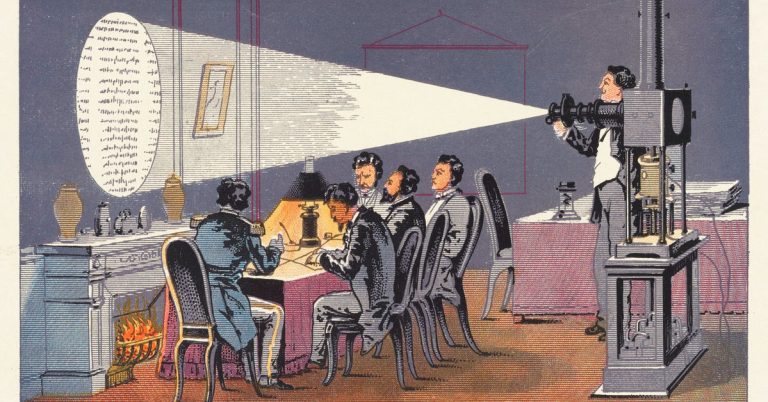
Five men in nineteenth-century tail coats are reading text projected onto a wall over a fireplace by a sixth man using a magic lantern.

Q&A with Madeleine Chalmers, author of French Technological Thought and the Nonhuman Turn

Madeleine Chalmers reveals how French philosophy, literature and theology have shaped technological thought.
  • Edinburgh University Press
  • July 7, 2026
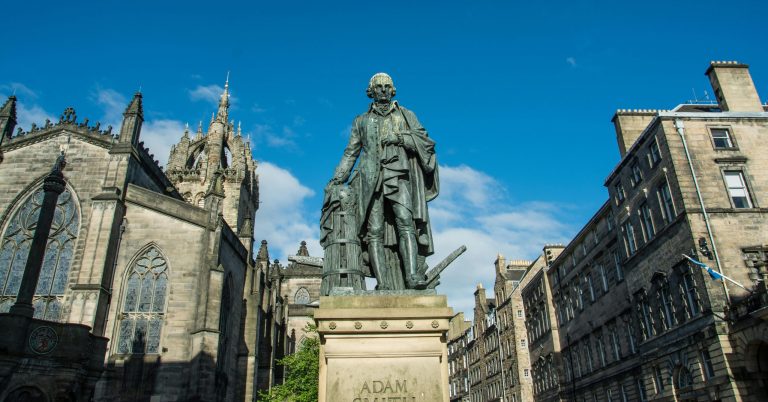
Statue of the philosopher and economist Adam Smith with St Giles’ Cathedral and other buildings in the background, against blue sky

What the Scottish Enlightenment Can Teach Us about Science and Religion

Lewis Ashman explores how 18th century Scottish Enlightenment philosophers reconciled science with religious belief.

  • Edinburgh University Press
  • July 1, 2026
**Alt text:** A row of illuminated classroom globes displayed on stands, with a large globe in the foreground and several others receding into the background. The globes show different map styles and colors, creating a warm, softly lit scene.

Is world citizenship the solution to statelessness?

What does it mean to be state-less?

  • Edinburgh University Press
  • June 25, 2026
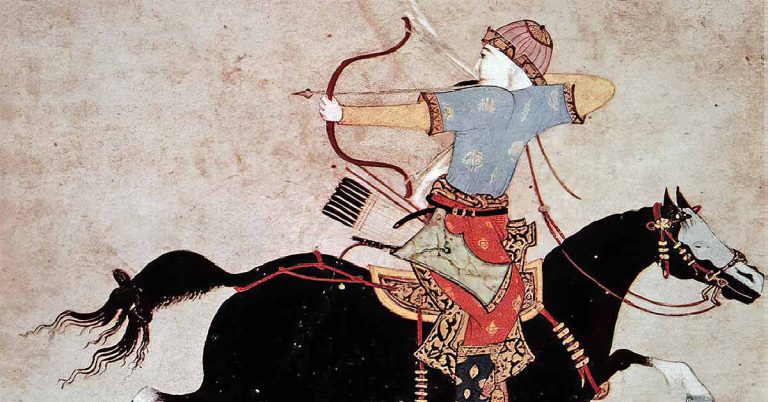
Illustration of an archer in historical attire riding a black horse while drawing a bow and aiming an arrow backward.

Henry Somers-Hall interviewed by Brent Adkins: Reading A Thousand Plateaus

Henry Somers-Hall talks to Brent Adkins (author of the bestselling critical introduction and guide to A Thousand Plateaus) about his new book, Reading A Thousand Plateaus, which takes us even deeper into Deleuze and Guattari's masterwork.

  • Edinburgh University Press
  • May 25, 2026

The Acousmatic Work Ethic and the Spirit of Sound Studies

Patrick Valiquet asks why contemporary sound studies forgets the troubling moral and political aspects of Pierre Schaeffer’s experimental music research.
  • Edinburgh University Press
  • March 25, 2026
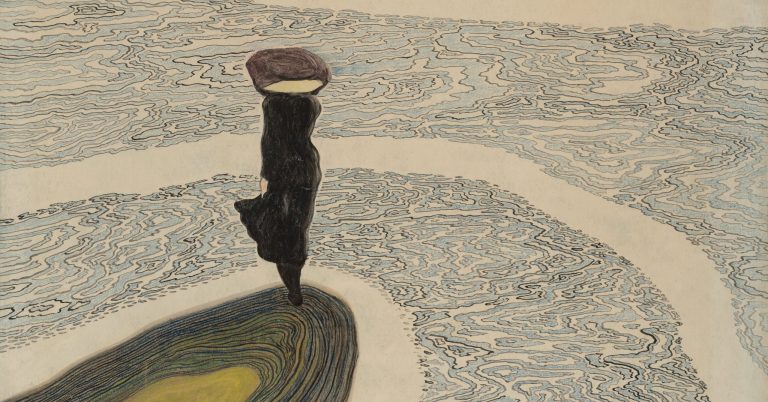
A figure of a woman standing by the shore suggesting an encounter with affective forces

5 Dimensions of Affect in Bergson’s Philosophy

Henri Bergson's philosophy reveals time as a continuous and interconnected melody.
  • Edinburgh University Press
  • March 11, 2026

Femininity as ‘it’: Sexual Normativity within Schizoanalysis

Georgia Gibbs asks if schizoanalytic de-subjectification can contribute towards a feminist account of sexual normativity.
  • Edinburgh University Press
  • March 4, 2026

Common Sense: Between Democratic Promise and Political Peril

Thomas Telios considers common sense as a contested and performative concept shaping democratic discourse and political exclusion.

  • Edinburgh University Press
  • March 2, 2026
Abstract black-and-white image of fine, web-like lines and dots resembling neural connections or a network, flowing diagonally across a white background

Autopoietic Machines

Rethinks the concept of power in relation to an emerging form - sensory power

  • Edinburgh University Press
  • January 22, 2026
  • 1 Comment
1 2 3 4 … 19
Next

Popular posts

July 7, 2026

Q&A with Madeleine Chalmers, author of French Technological Thought and the Nonhuman Turn

July 9, 2026

5 things you never knew about Gregory of Tours

July 1, 2026

What the Scottish Enlightenment Can Teach Us about Science and Religion

June 25, 2026

Is world citizenship the solution to statelessness?

June 23, 2026

How food shapes peace, conflict, and human connection in everyday life

Archives

Subscribe to blog via email

Enter your email address to subscribe to this blog and receive notifications of new posts by email.

Copyright © 2026 - Edinburgh University Press | All Right Reserved. | Privacy Policy