
by Catherine Rutter
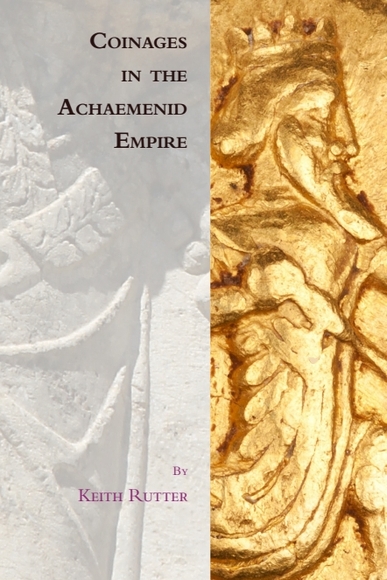
Coinages in the Achaemenid Empire brings together the evidence for coin production and use over the whole Achaemenid Empire.
I am honoured to have been asked to write this blog to accompany the publication of my Dad’s book Coinages in the Achaemenid Empire.
One of the best things about being an academic is that you are able to start with one topic, perhaps for your PHD and then move into new research areas and interests, during your career, as new and varied avenues open up, inspired by colleagues, seminars, or travels. After my Dad retired, he spent a very fulfilling 20 years combining his lifelong professional interest in ancient Greece and his fascination with Alexander the Great, with a love of all things Persian.
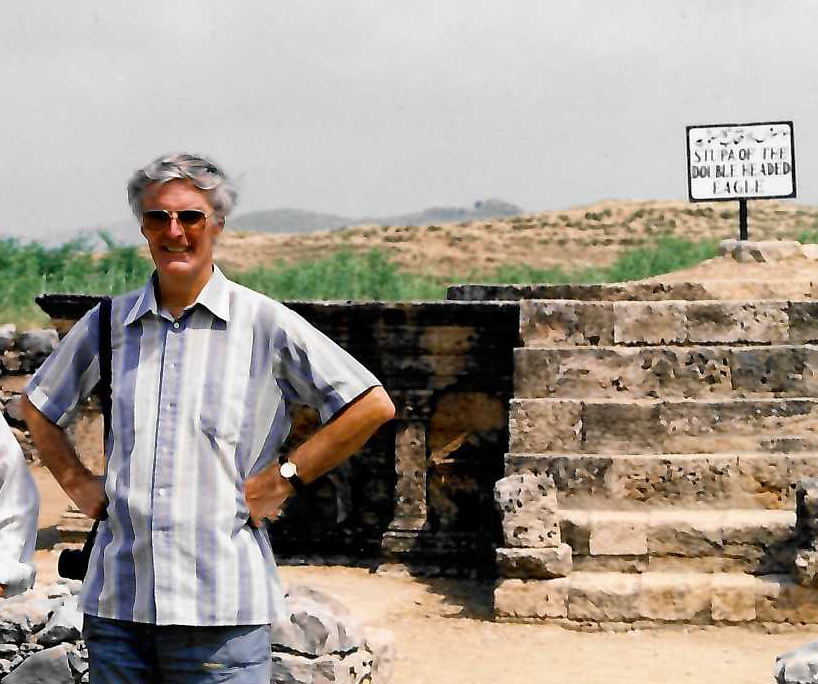
Personally, we are incredibly lucky to have been able to visit many of the places Alexander the Great travelled to with his armies, as well as many of the historical sights of the Achaemenid Empire, referenced in this book. Our travels included Turkey, Syria, Iran, Pakistan, Uzbekistan and Tajikistan.
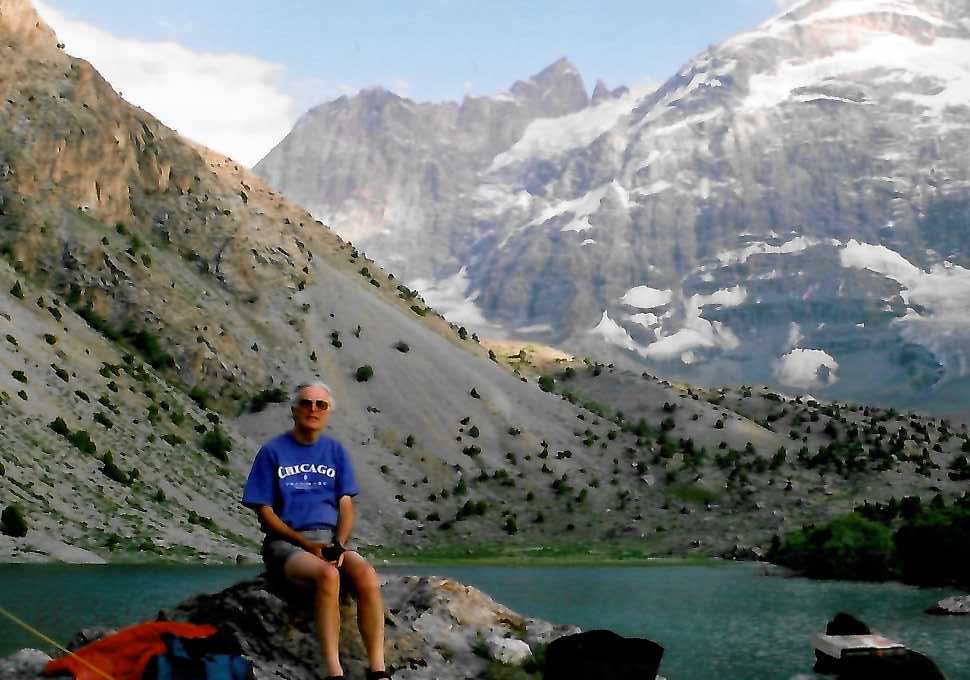
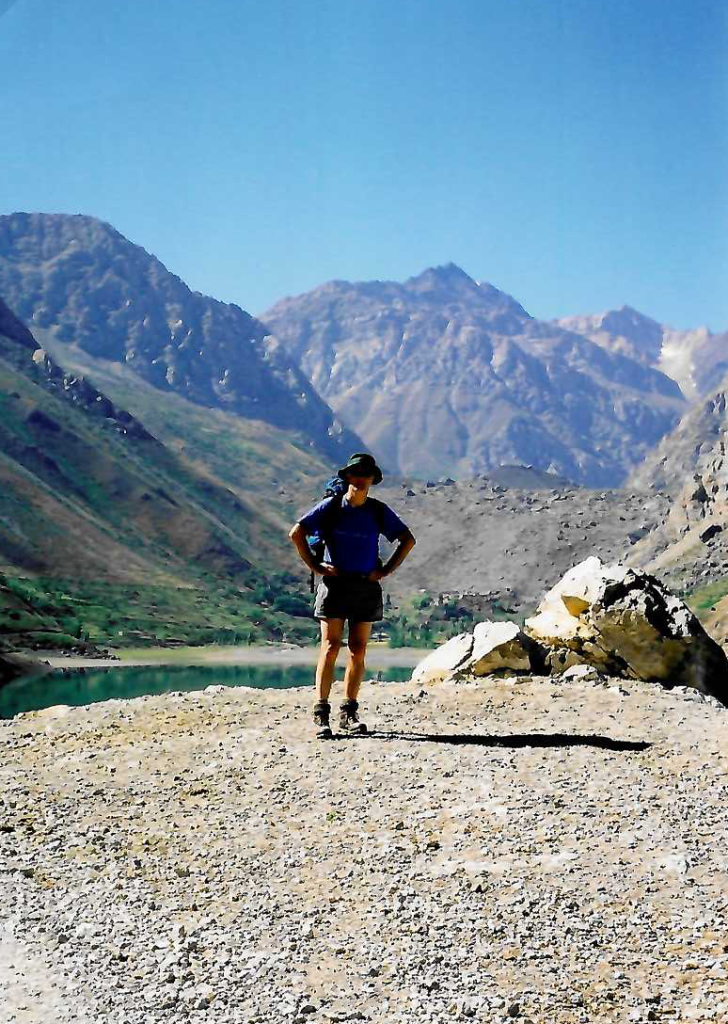
Our trips to Pakistan and Tajikistan were specifically to trek at high altitude and it was wonderful to be distracted, whilst walking up a hill or across a glacier in the Hindu Kush, by a historical or numismatic snippet. Indeed, my Dad himself wrote (whilst reflecting on his life) ‘Truly memorable were extended treks I enjoyed with Catherine: one (was) to northern Pakistan, where we were able to visit the cultural centres of Pakistan, see the River Indus, keep up with Alexander the Great at Taxila, and trek in Chitral, along the Yarkand Valley, over the Darkot and Ishkuman passes and finally to Gilgit’. Taxila (in the sweltering summer heat of the Punjab plains) was extremely special, due to its strategic position on the River Indus. Ever the linguist my Dad had taken a basic Urdu language class in the year before we went to Pakistan – it was really useful as he was able to put his language skills to good use in bargaining for a beautiful carpet in Gilgit!
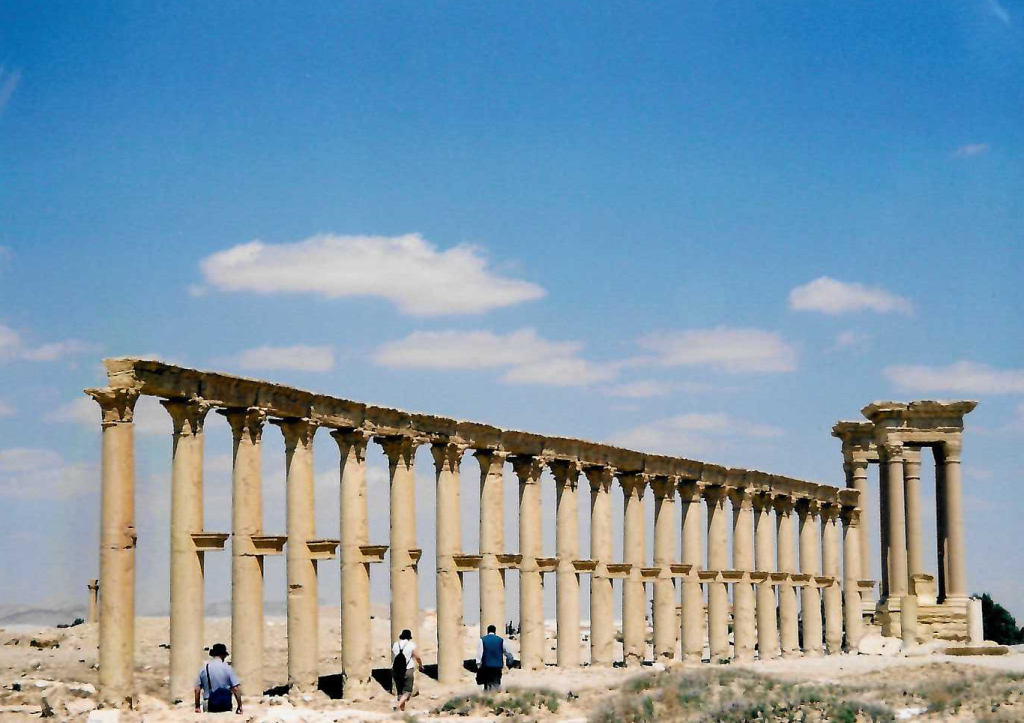
We were so fortunate to enjoy a wonderful trip to Syria in 2008 and a really precious memory for me is walking gently amongst the ruins of the caravanserai of Palmyra. It was wonderful and so peaceful.
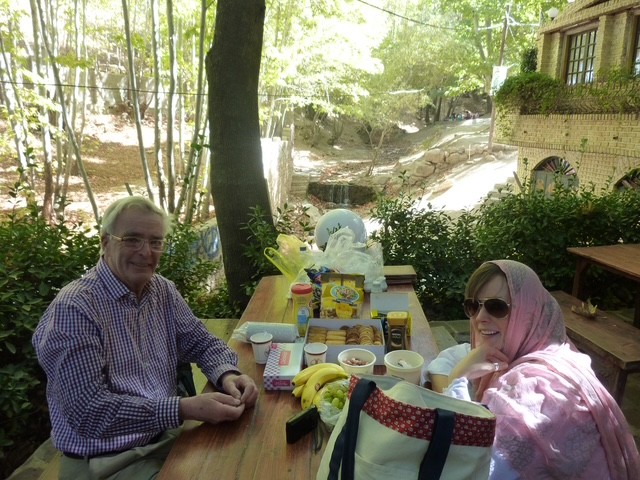
One of the highlights of my life was a trip my Dad and I made to Iran in 2017. It was a lifelong ambition for me to visit this amazing country, and I am so grateful we had the opportunity to go. My Dad was well into his research for this book, but this trip really cemented his love for all things Persian – the people, culture, historical sights, food and lovely autumn weather; we chose to go in October, after my parents had been on a trip with the University of Edinburgh in June 2008 and experienced 50 degree heat, at Persepolis. We also enjoyed some carpet shopping! It was wonderful to visit in person many of the places that were so key in the Achaemenid Empire, such as Persepolis and Pasargadae and to understand how sophisticated it was, all those thousands of years ago. We learned so much and enjoyed lots of picnics, one of my favourites being at the fascinating and windswept Naqsh-e Rostam, as well as in the beautiful square in Esfahan.
Nearly three years closer to home during lockdown meant this project was very nearly complete.
I feel so incredibly lucky and grateful to have had a wonderful parent, with whom I was able to enjoy both the professional and the personal, in the form of our travels. And throughout all of these travels, the people were the highlight. We really are the same the world over, even if we don’t speak the same language.
I very much hope that this book will benefit academics and numismatists in the future and perhaps even provide inspiration to those looking to get into the field. I have always felt that coins are fundamental to our understanding of societies – they help us comprehend so much in terms of what metals were used, what people wore, ate, bought, who featured on what coin and so on. You are literally holding history in your hand.