

Skip to content
  • Cultural Studies
    • French Studies
    • Gender Studies
    • Irish Studies
    • Film and TV
    • Theatre and Dance
    • Islamic and Middle Eastern Studies
  • History
    • British History
    • Classics and Ancient History
    • Cultural History
    • Natural History
    • Religious History
    • Scottish History
    • World History
  • Language and Literature
    • Modernism
    • Literary Theory
    • Pre 19th Century Literary Studies
    • Post 19th Century Literary Studies
    • Scottish Literature
    • Atlantic Literature
    • Linguistics
  • Law
    • Comparative Law
    • European Law
    • Islamic Law
    • Roman Law
    • Scots Law
  • Politics, Philosophy and Religion
    • Religion
    • Philosophy
    • Politics
    • Political Philosophy
    • Scottish Politics
    • Film Philosophy
  • Publishing

  • About Us
  • Journals
  • Books
  • SUBSCRIBE TO OUR BLOG
Edinburgh University Press Blog

No results
  • Cultural Studies
    • French Studies
    • Gender Studies
    • Irish Studies
    • Film and TV
    • Theatre and Dance
    • Islamic and Middle Eastern Studies
  • History
    • British History
    • Classics and Ancient History
    • Cultural History
    • Natural History
    • Religious History
    • Scottish History
    • World History
  • Language and Literature
    • Modernism
    • Literary Theory
    • Pre 19th Century Literary Studies
    • Post 19th Century Literary Studies
    • Scottish Literature
    • Atlantic Literature
    • Linguistics
  • Law
    • Comparative Law
    • European Law
    • Islamic Law
    • Roman Law
    • Scots Law
  • Politics, Philosophy and Religion
    • Religion
    • Philosophy
    • Politics
    • Political Philosophy
    • Scottish Politics
    • Film Philosophy
  • Publishing
  • Shame in Contemporary You-Narration: Q&A with the author

    Denise Wong discusses Shame in Contemporary You-Narration, exploring second-person storytelling, shame, temporality, and narrative experimentation across literature and media.

    February 11, 2026
    Read more: Shame in Contemporary You-Narration: Q&A with the author

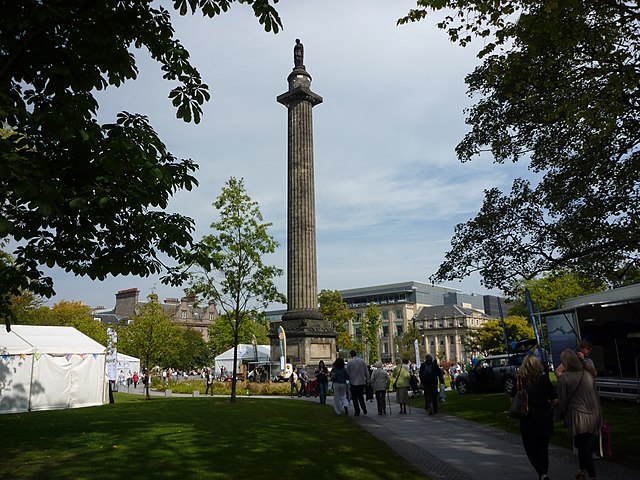
A photo of the Melville Monument

Clarifying Henry Dundas’ role as a ‘great delayer’ of the abolition of the slave trade (Part 3: A case study in the ethics of academic and public history)

Stephen Mullen Missed Part 1 and 2? Read them here! Part 1Part 2 The Scottish Historical Review was the natural home for this article: based upon a Scot’s actions in parliamentary debates in the House of Commons and his role…
  • Edinburgh University Press
  • November 12, 2021
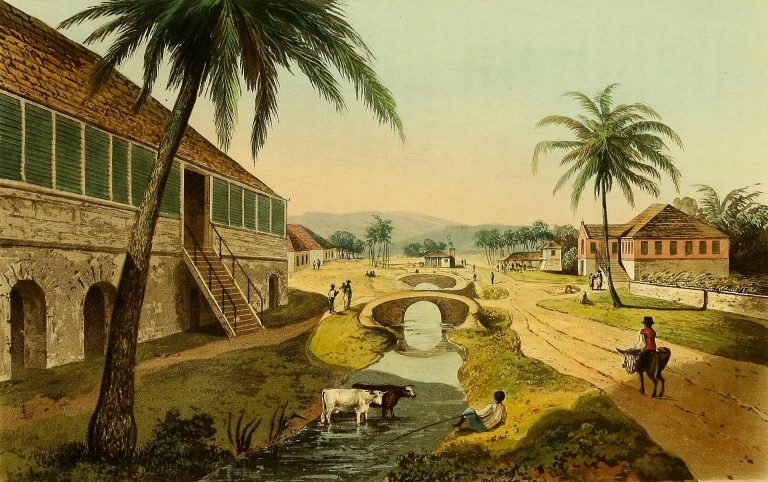
A painting of a Jamaican plantation

Clarifying Henry Dundas’ role as a ‘great delayer’ of the abolition of the slave trade (Part 2: West India Interests)

Stephen Mullen Missed Part 1? Read it here! I was a reluctant and unintentional scholar of Henry Dundas. Whilst examining the West India Committee records in the University of the West Indies, St Augustine in Trinidad in 2016, I stumbled…

  • Edinburgh University Press
  • November 11, 2021
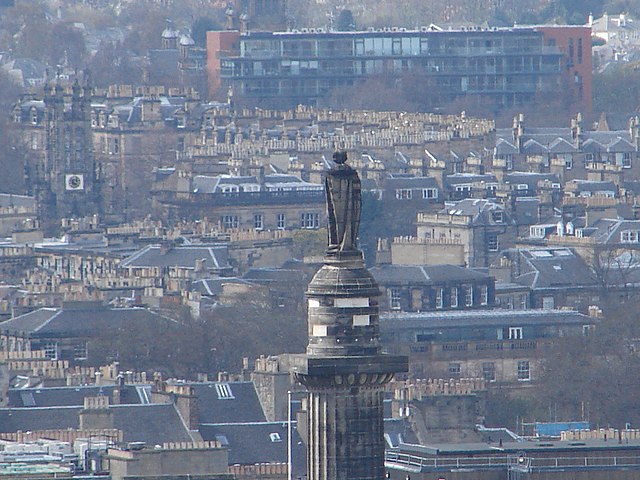
The Melville monument overlooking the Edinburgh skyline

Clarifying Henry Dundas’ role as a ‘great delayer’ of the abolition of the slave trade (Part 1: Historiographical Orthodoxy, Public Debate and Memorialisation)

Stephen Mullen Since 2016 or thereabouts, there has been considerable public discussion about the role of Henry Dundas (1742–1811) in the debates surrounding the abolition of the slave trade in the House of Commons after 1792. Dundas was the Lord…

  • Edinburgh University Press
  • November 10, 2021

Popular Posts

Shame in Contemporary You-Narration: Q&A with the author

Interior of a video rental store aisle with rows of DVD cases displayed on wall-mounted racks. Blue carpeted floor with several loose balloons scattered along the aisle. Shelving and displays extend into the background, with one person partially visible near the back of the store.

1980s video memories with Peter Turner

The image shows a sparse, worn room that appears to be a former prison cell. The walls are yellowed and heavily stained, with patches of peeling paint and dark discoloration near the bottom. The floor has a checkerboard pattern of tan and white tiles. In the center of the room is a simple metal bed frame with a grid base and no mattress. On top of the bed frame sits a small metal box. Attached to the frame are metal shackles, suggesting restraints were used. The room has a barred window on the right side, allowing some daylight to enter, casting shadows on the floor. The overall atmosphere feels stark, somber, and austere.

What do hundreds of documentaries on genocide say about perpetrators?

Silhouetted martial artist mid-air against a sunset sky over the sea, holding a poised, balanced stance that emphasises calm, control, and intention rather than force.

Martial arts ecology and the quiet life of action cinema

A picture showing bare hills being grazed by sheep in the Ettrick valley.

A famous old shepherd looks for remedies

Q&A with Dr Beth Williamson: A Cultural Biography of William Johnstone

Subscribe To Blog Via Email

Enter your email address to subscribe to this blog and receive notifications of new posts by email.

Copyright © 2026 - Edinburgh University Press | All Right Reserved. | Privacy Policy