-
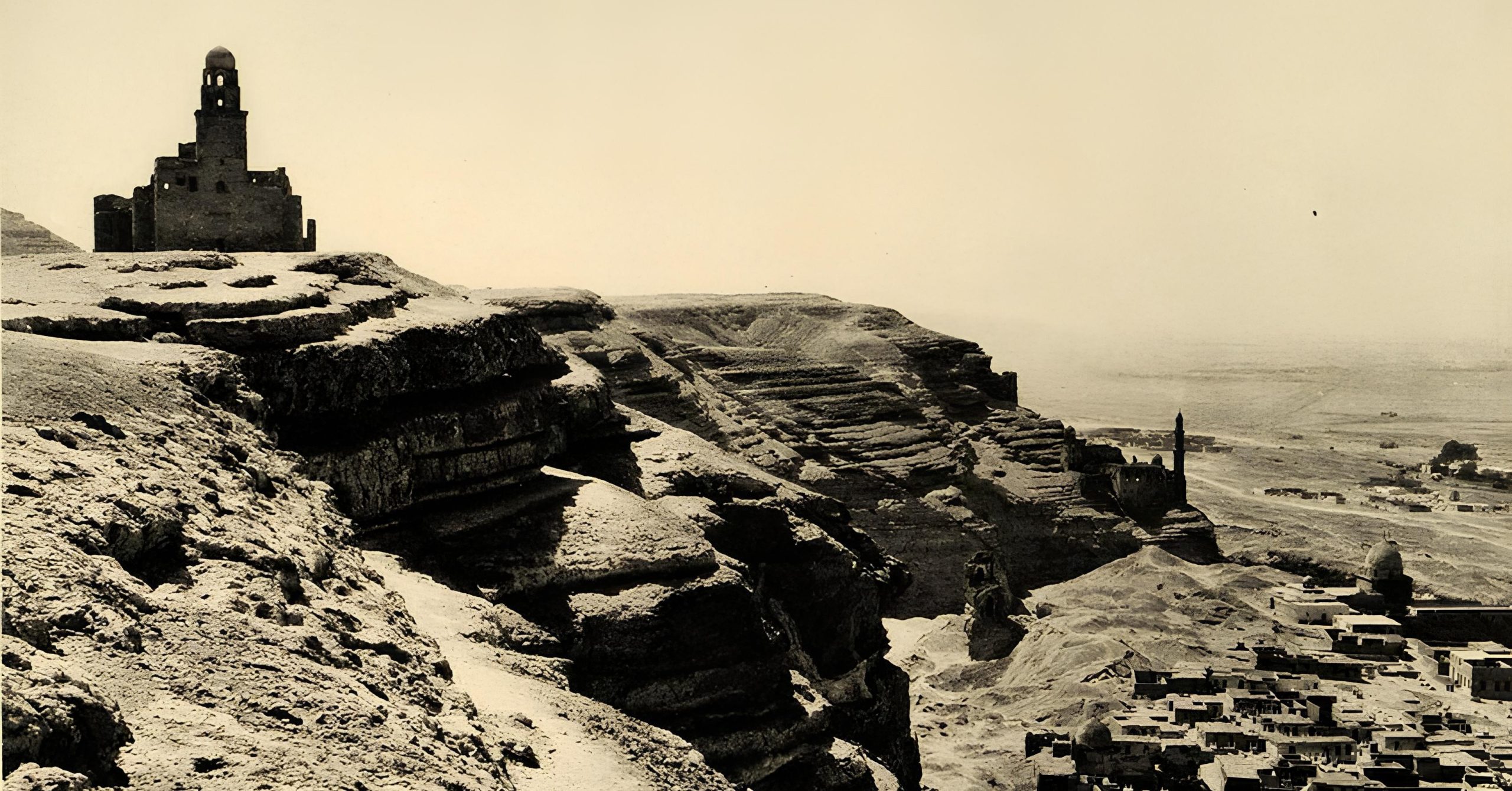
Al-Mashhad al-Juyūshī: The story behind one of Cairo’s most remarkable Fatimid monuments
Read more: Al-Mashhad al-Juyūshī: The story behind one of Cairo’s most remarkable Fatimid monumentsExplores how power, memory and faith come together at al-Mashhad al-Juyūshī, a Fatimid monument set high on Cairo’s Muqaṭṭam Hills.


The Islamic Cult behind the Abortive Coup in Turkey
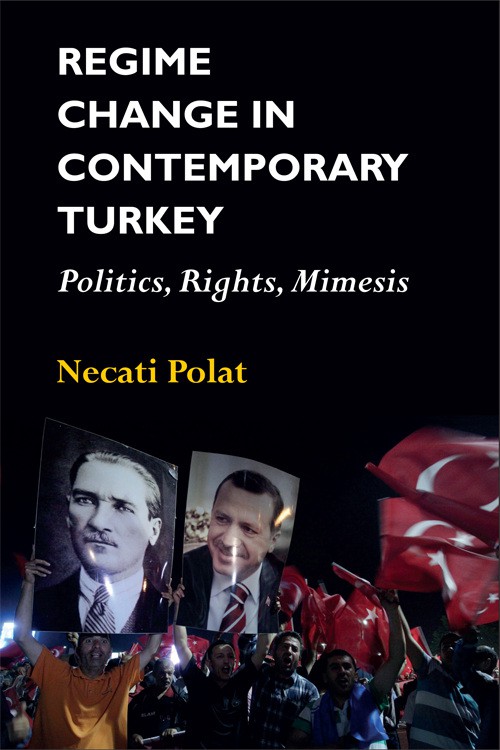
By Necati Polat Who are the Gülenists ostensibly behind the failed Turkey coup of last July, when, for the first time…
Don’t Just Build It, They Probably Won’t Come
By Ruth Mostern Here, Ruth Mostern gives some background to her article, “Don’t Just Build It, They Probably Won’t Come:…
Graham Harman interviews Markus Gabriel
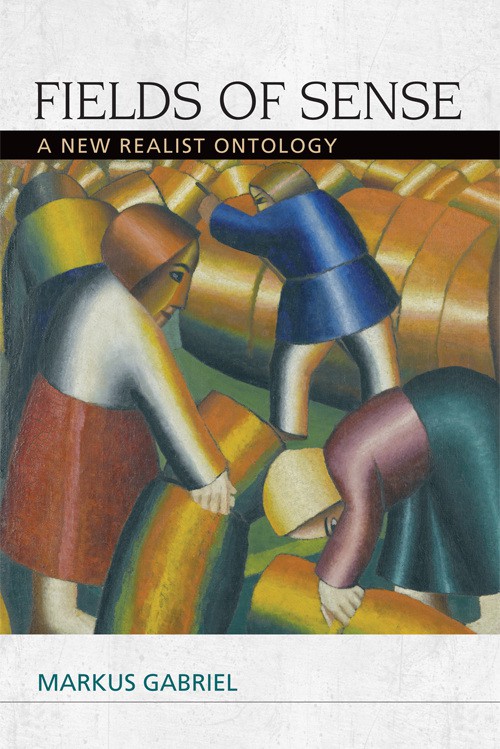
Graham Harman, Speculative Realism series editor, interviews Markus Gabriel, author of Fields of Sense and Why the World Does Not Exist. It's a long conversation, and very rich, so fix yourself a cup of tea or coffee, pop your phone on silent, and settle down for a read.
Electronic Literature, Again – CounterText 2.2
By Mario Aquilina What is happening to ‘literature’ in the digital age? Is it surviving, changing, under threat? How are…
Studies in World Christianity, Issue 22.2 – Centre for the Study of World Christianity
By Brian Stanley Beyond the Binary of East and West However hard it tries, scholarship in world Christianity does not…
Understanding the Maghreb Before and After the Arab Spring
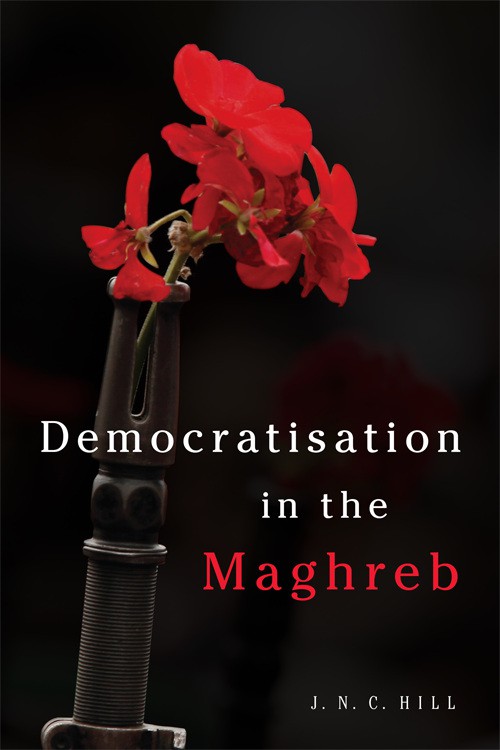
By J.N.C Hill The start of the Arab Spring has raised numerous searching questions about the study of the Maghreb.…
What is to Be Done, with Theory?
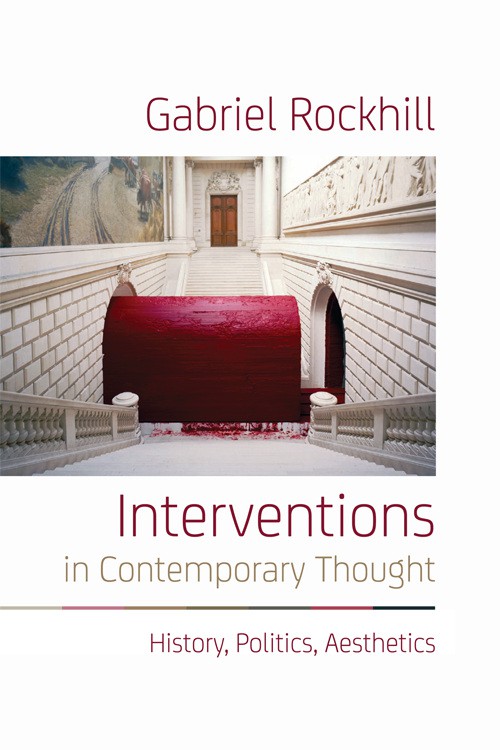
By Gabriel Rockhill Theory is a particular type of practice, with its own set of rules, rituals and sanctions. To…
Fredric Jameson’s The Political Unconscious

By Enda Duffy Professor of English, UC Santa Barbara Fredric Jameson may be the world’s most distinguished literary and cultural…
Transformative Power of Culture in Occupied Germany 1945-1949
Elaine Morley The Occupation of Germany is a unique field for comparatists to explore given the fact that in this…