
-
Q&A: ‘Wladzio D´Attainville and the House of Balenciaga (1924–1948)’
Read more: Q&A: ‘Wladzio D´Attainville and the House of Balenciaga (1924–1948)’Ana Balda uncovers Wladzio D’Attainville's crucial impact on Cristóbal Balenciaga's fashion empire.



Ana Balda uncovers Wladzio D’Attainville's crucial impact on Cristóbal Balenciaga's fashion empire.
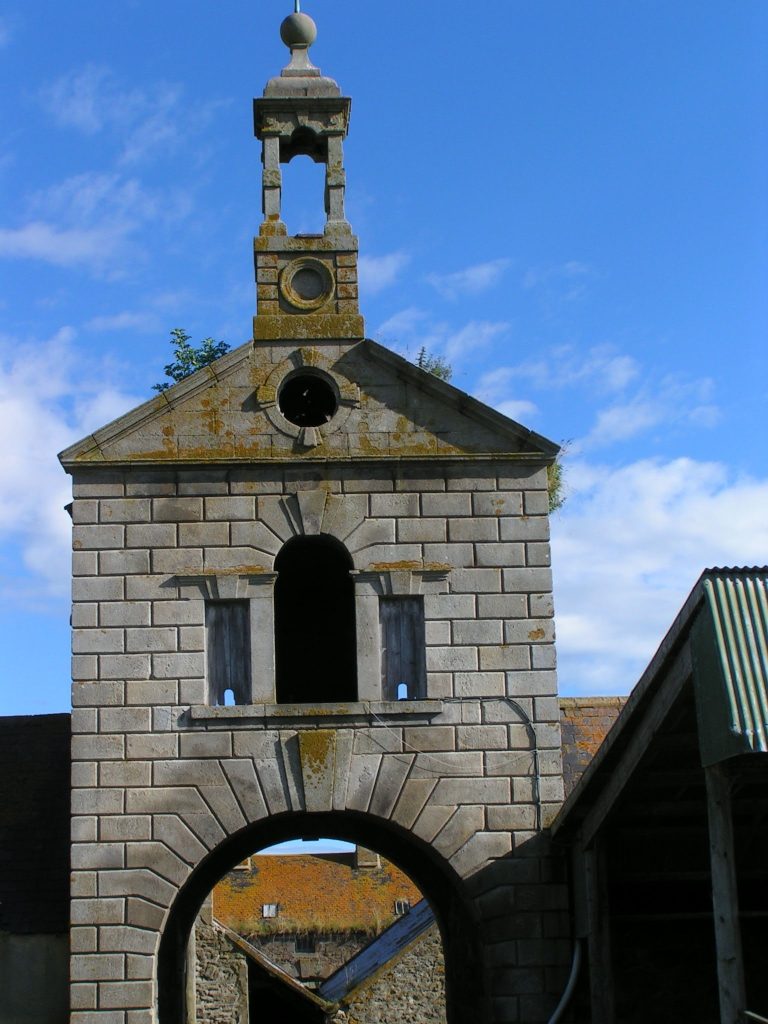
In the May 2015 issue of the Journal of Scottish Historical Studies, Eric Grant and Alistair Mutch explore the intertwined careers of Kenneth Murchison, surgeon, and Patrick Duff, General of the East India Company’s artillery in Bengal. Both men returned…
The history of twentieth century British-Jews, Stephan E. C. Wenderhorst’s book shows, offers valuable insights to the understanding of British history. In his extended review of the book, Arie Dubnov examines the way in which Wenderhost’s book, which he characterizes…
The April 2015 issue of Studies in World Christianity is largely based on a handful of the many papers presented at the 24th meeting of the Yale–Edinburgh Group on the history of missions and world Christianity, held at New College,…
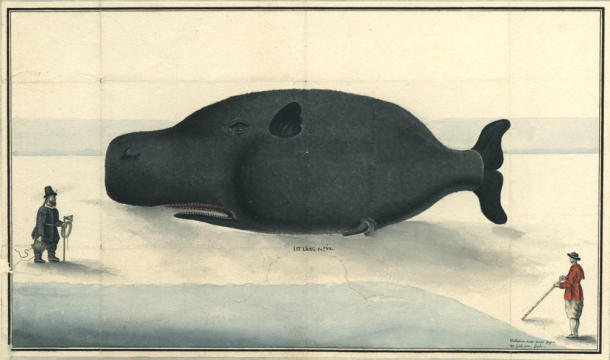
In their article from the Archives of natural history, Klaus Barthelemess and Ingvar Svanberg discuss a painting from a manuscript album, known as Kungsboken. This contains various documents of military relevance assembled during the rule of the Swedish kings Charles…
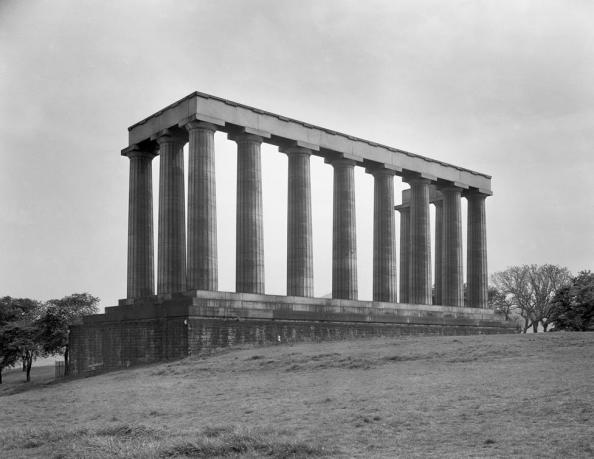
In the November 2014 edition of Architectural Heritage John Gifford explores the history, origin and alternative designs of the National Monument of Scotland. Twelve Doric columns stand on Edinburgh’s Calton Hill, witnesses to ambition, patriotism, love of the arts, respect…
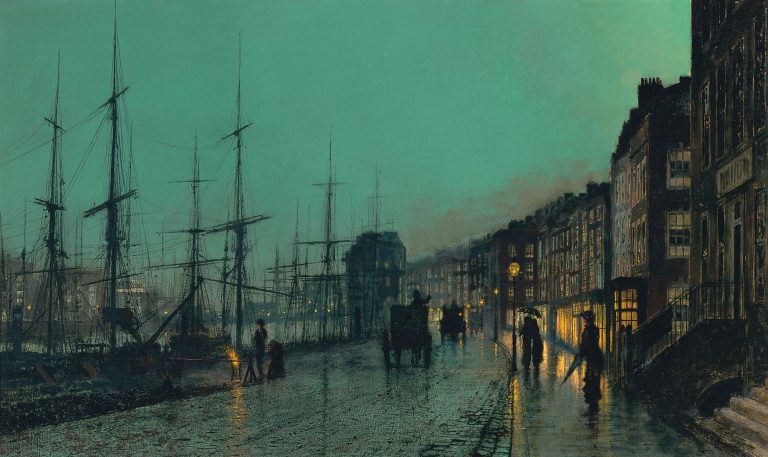
The Surrounding Burghs’ Resistance to Glasgow’s Municipal Expansion, c. 1869–1912 By the mid-nineteenth century Scotland’s industrial revolution had resulted in exponential population growth in established towns and cities, as well as the transformation of erstwhile villages into de facto towns.…
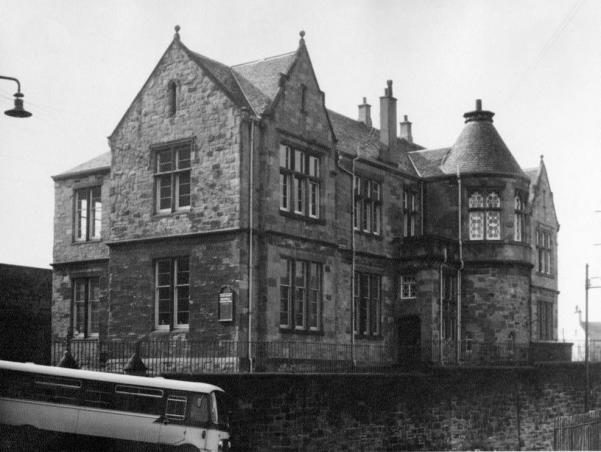
The rapid programme of school building undertaken across Glasgow by the School Boards (1873–1919) left the city with a rich legacy of architecture designed by the top architects of the day. This was in contrast to most other UK cities…
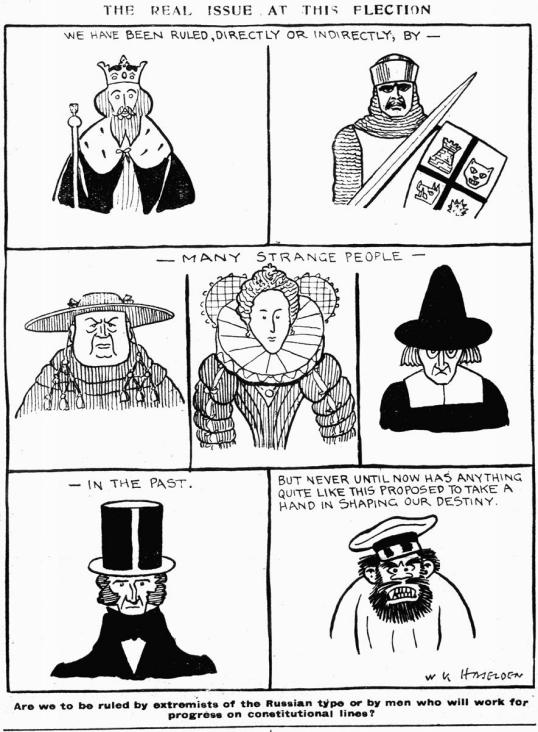
The article “British Conservatives, the Red Menace and Antiforeign Agitation in China, 1924–1927” in our journal Cultural History looks at how British conservatives used the events in China as proof of the Red Menace in order to reinforce demands about…
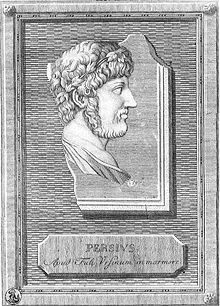
When compared to Juvenal or Horace (the two most prominent figures of Roman satire in sixteenth and seventeenth century England), Persius’ impact on early modern satire has usually been considered slight. In the article, Persius’ Prologue and Early Modern English…