-
Who needs advice?
Read more: Who needs advice?Margaret Mullett investigates advice literature from Byzantine texts to modern self-help culture.


Margaret Mullett investigates advice literature from Byzantine texts to modern self-help culture.

by Alice Maurice It has been a long time since Will Smith slapped Chris Rock at the Oscars. It’s been two whole months – by today’s standards, an eternity. Even after a week, it had been thoroughly washed and rinsed…

by John White In the second of a short series of extracts from British Cinema and a Divided Nation (EUP, 2022), John White looks at Downton Abbey (Michael Engler, 2019). The quick series of shots presented to the audience at…

by John White In the first of a short series of extracts from British Cinema and a Divided Nation (EUP, 2022), John White looks at Mary Queen of Scots (Josie Rourke, 2018). In this film we are presented with a…

by Lisa Dombrowski and Justin Wyatt Film director Robert Altman was one of the leading creative forces of the last great period of Hollywood filmmaking known as the New Hollywood or Hollywood Renaissance. Much critical analysis has addressed this early…

By Peter C. Pugsley In Japanese High School Films: Iconography, Nostalgia and Discipline, I write about how high school-based films capture a steady market in Japanese cinema. From the 100 plus high school films released in just over five years (2014-2020),…

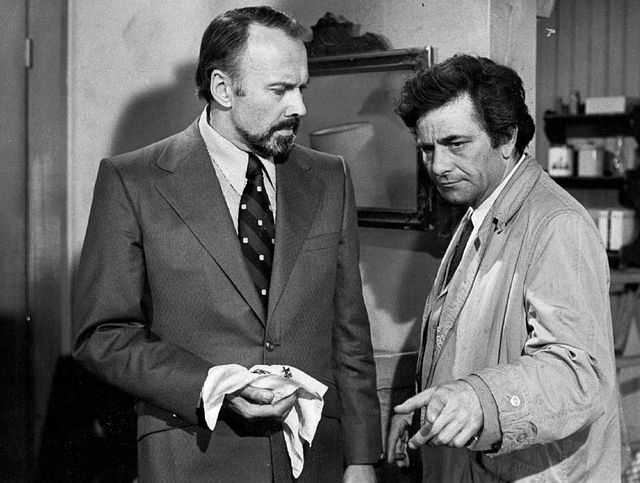
by David Martin-Jones In a previous post, David Martin-Jones, author of Columbo: Paying Attention 24/7, explored the recent and enduring popularity of the cult detective show, fifty years after the first episode aired. In this follow-up, David discusses two videoessays…

by David Martin-Jones In part one of a series, David Martin-Jones, author of Columbo: Paying Attention 24/7, explores the resurgence of popularity for the beloved detective. Columbo suddenly became famous again under lockdown. Why? Is it because it is a…

by Emma Wilson Céline Sciamma: Portraits (2021) I suggested a book on Céline Sciamma for the Visionaries series after seeing her first three films, Waterlilies (2007), Tomboy (2011), and Girlhood (2014). I was moved by the sensitivity of her imaging…

In this interview, David Church discusses Post-Horror: Art, Genre and Cultural Elevation, exploring the meaning of post-horror, its recent popularity and the films he examines in his book. Broadly speaking, what is ‘post-horror’? I see ‘post-horror’ or ‘elevated horror’ films…