
by Elke D’hoker and Phyllis Boumans
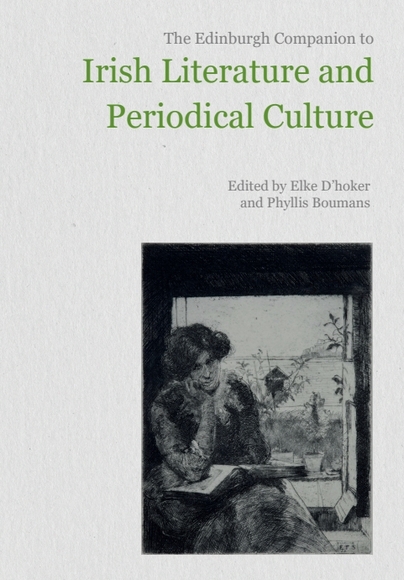
The Edinburgh Companion to Irish Literature and Periodical Culture sheds new light on the impact of magazine culture on Irish literature from the 1800s to the present.
The history of Irish literature is bound up with the history of periodicals. Newspapers, magazines and literary journals did not just publish literary works, they also served to support writers, shape literary tastes, codify genres and forge transnational connections. Our understanding of Irish literary history changes when we look at it through the prism of periodical culture. It allows us to trace the emergence of canonical writers through their magazine publications, but also to recover forgotten voices from the archives. Periodicals’ collaborative energies also cast a different light on the question of authorship, and their transnational networks enable us to map the reception of Irish writers across the world. In this way, we have discovered things about Irish literature that you probably didn’t know. These six titbits are drawn from different chapters of The Edinburgh Companion to Irish Literature and Periodical Culture.
1. James Joyce and Reprint Culture
Although James Joyce’s global fame as the star of high modernism seems to rest entirely on his masterpieces Ulysses and Finnegans Wake, Joyce’s contemporary reputation was largely forged through the translation and republication of his short stories and poems in international periodicals.During his lifetime, Joyce appeared over 500 times in periodicals, newspapers and anthologies that carried his work into salons, parlours, libraries and classrooms. In his Chapter, Ronan Crowley shows us this different Joyce, a “periodical Joyce”, whose career was sustained by republication, circulation and translations.
2. Ireland’s Most Popular Story Writer
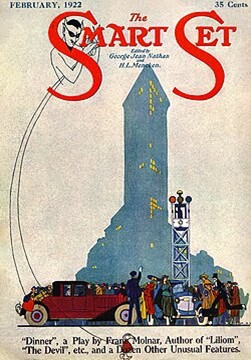
Did you know that Lord Dunsany was one of Ireland’s most popular and prolific fiction writers of the early-twentieth century? In the six decades of his literary career, he published a record of 500 magazine stories. In the early days his work appeared mostly in British periodicals such as The Saturday Review and The Sketch, but after The Smart Set introduced his work to American markets in 1915, his US popularity was such that magazines were clamouring to publish his work. As Dana Steglich shows in her Chapter, Lord Dunsany’s Irishness and his romanticised status as an aristocrat were particularly appealing to American readers. In the 1960s, the reprinting of his stories in pulp fiction magazines ensured his lasting influence on the development of fantasy literature.
3. Syndication Bureaus
While we’d like to think that all writing that appeared in magazines was original and new work, Lauren Ottaviani shows in her Chapter on the early twentieth-century Irish domestic women’s magazine The Lady of the House, that much of the fiction that was published in this magazines was sourced in England, presumably through a syndication bureau. Characters and place names in these stories were often changed and “Irishised” – replacing Bloomsbury with Dublin; Plymouth with Achill – to emphasise the magazine’s Irish identity and readership. The magazine was widely read by middle-class women in Dublin and Belfast.
4. Irish Writers in American Sports and Religious Magazines
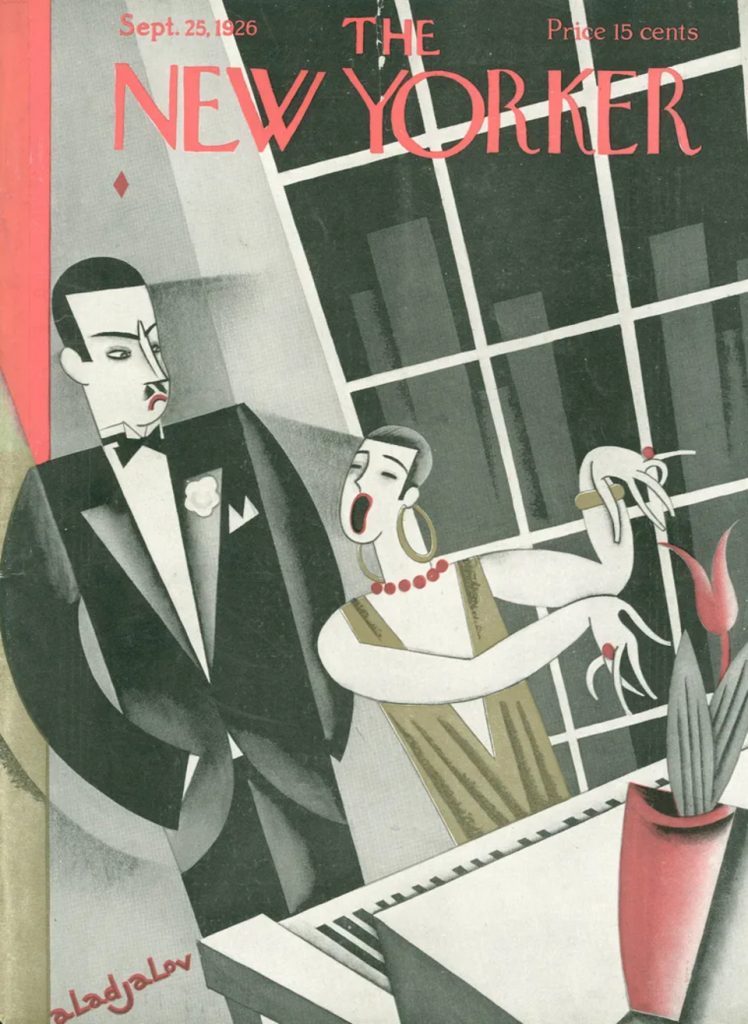
Irish writers were omnipresent in US periodicals. The New Yorker in particular has always been a welcome home to Irish writers, a magazine which handsomely remunerated its writers. Mary Lavin, for example, earned a whopping US$5,579.04 for her story “One Summer”. But it wasn’t just smart magazines, such as The New Yorker, general interest monthlies such as The Atlantic Monthly and Harper’s, or popular pulps such as Argosy that attracted Irish writers. As Sinéad Moynihan demonstrates in her Chapter on Bryan MacMahon and the US mid-century periodical marketplace, unlikely venues such as sports magazines (e.g. Sports Illustrated) and little-known Catholic periodicals (The Sign, St. Jude or Ave Maria)also eagerly printed stories by Irish writers.
5. Irish Writers and Modernist Anglophone Poetry
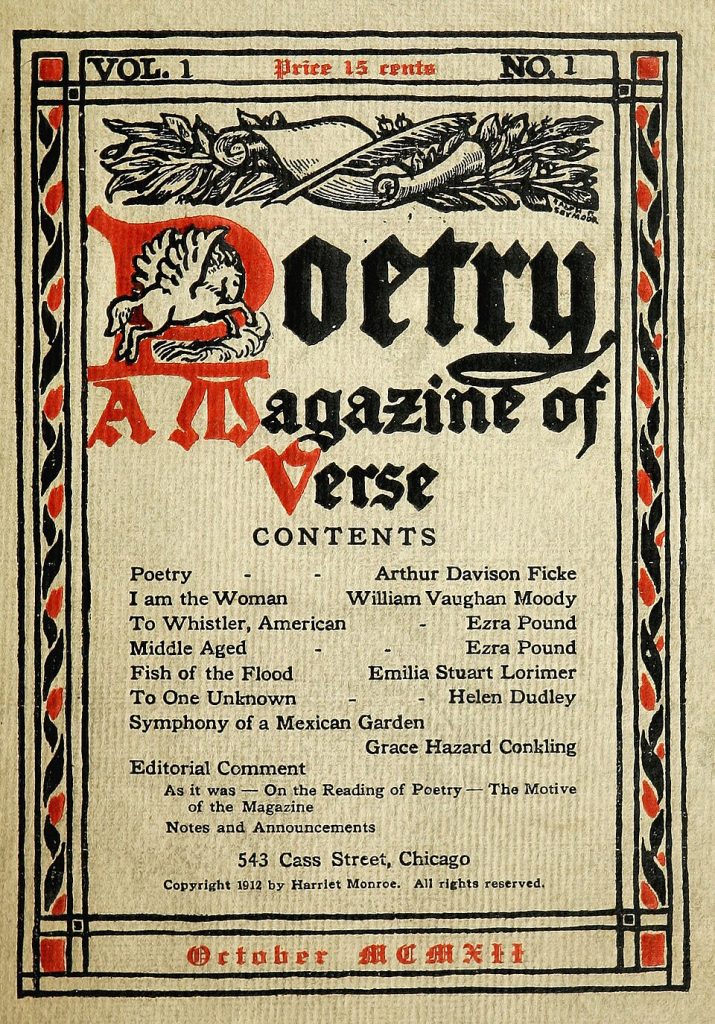
Did you know that Irish writers played an important role in the emergence of modernist anglophone poetry? In his Chapter on the Chicago-based periodical Poetry: A Magazine of Verse, founded in 1912, Tom Walker traces the presence of younger Revivalists Padraic Colum, Joseph Campbell and Moireen Fox in transatlantic little magazines and shows how the Irish Revival played a role in the emergence of a poetic modernism. Alex Davis, in his Chapter on Irish literature in British modernist magazines, argues that these magazines helped shape changing views on Irish letters, from an emphasis on Celticisim to a focus on innovative Irish writing that was part of a larger anglophone avant-garde tradition.
6. Taboo-breaking Topics in The Kilkenny Magazine (1960-1970)
Between 1960-1970, James Delehanty edited The Kilkenny Magazine. It was the first magazine to publish poems by Seamus Heaney in the Republic and it was the first to publish stories by John Banville. Although the magazine has hardly generated any scholarship, and remains tucked away in library archives, it was an important landmark in Irish literary history, publishing famous writers such as John McGahern, Mary Lavin, Brian Friel and Michael Hartnett. As Niall Carson writes in his Chapter, the stories by the forgotten writer Dora Murphy were particularly trailblazing, dealing with provocative and shocking topics such as abortion, pre-marital sex, lesbian relationships and anti-clerical attitudes.

About the authors
Elke D’hoker is Full Professor of English Literature at the University of Leuven and Director of the Leuven Centre for Irish Studies. She has published widely on Irish fiction, the modern short story, periodical studies and literary pedagogy. She is the author of Irish Women Writers and the Modern Short Story (2016) and Visions of Alterity: Representation in the Works of John Banville (2004). She has edited or co-edited 11 books, including The Writer’s Torch: Reading Stories from The Bell (2022), Sarah Hall. Critical Essays (2022), Ethel Colburn Mayne. Selected Stories (2021), The Modern Short Story and Magazine Culture (2021), The Irish Short Story (2015) and Mary Lavin (2013).
Phyllis Boumans is Postdoctoral Researcher at the Radboud Institute for Culture and History at Radboud University Nijmegen. She previously worked as Lecturer at Stockholm University. Her work has appeared in Irish University Review, New Hibernia Review and Irish Studies Review, and she is co-editor of a special issue on Remapping Irish Literary and Cultural Landscapes in the Mid-Twentieth-Century for the Review of Irish Studies in Europe (2024) and The Writer’s Torch: Reading Stories from The Bell (2022). Her current postdoctoral project focuses on mid-twentieth-century Irish radio stories.