
• A culturally diverse group of dancers performs among piles of books. They wear costumes with large numbers pinned to them, suggesting an audition or competition. Their movements are dynamic and physical, with one dancer holding another’s leg as others lean and bend in varied, expressive poses.
  • 5 ways to (un)teach the canon

    Annelies Van Assche explores five innovative ways to challenge the dance canon and expand beyond Eurocentric narratives.

    Read more: 5 ways to (un)teach the canon

Call for Papers: Oxford Literary Review – Overpopulation

Global ‘overpopulation’, considered the central environmental issue in the 1970s, became an almost taboo topic in the twenty-first century, often dismissed as drawing attention  away from  international capitalism as the primary cause of poverty and environmental  destruction and at worst catering to forms…

Agricultural improvement and India

In the May 2015 issue of the Journal of Scottish Historical Studies, Eric Grant and Alistair Mutch explore the intertwined careers of Kenneth Murchison, surgeon, and Patrick Duff, General of the East India Company’s artillery in Bengal. Both men returned…

EUP_CounterText

Postcolonial Springs – a special issue of CounterText

“In its breadth of contributions by scholars and writers with a distinguished background in their respective fields, Postcolonial Springs will serve as an informed platform for debate across scholarly, political, cultural, and activist fronts. These urgencies – foremost amongst them the realities…

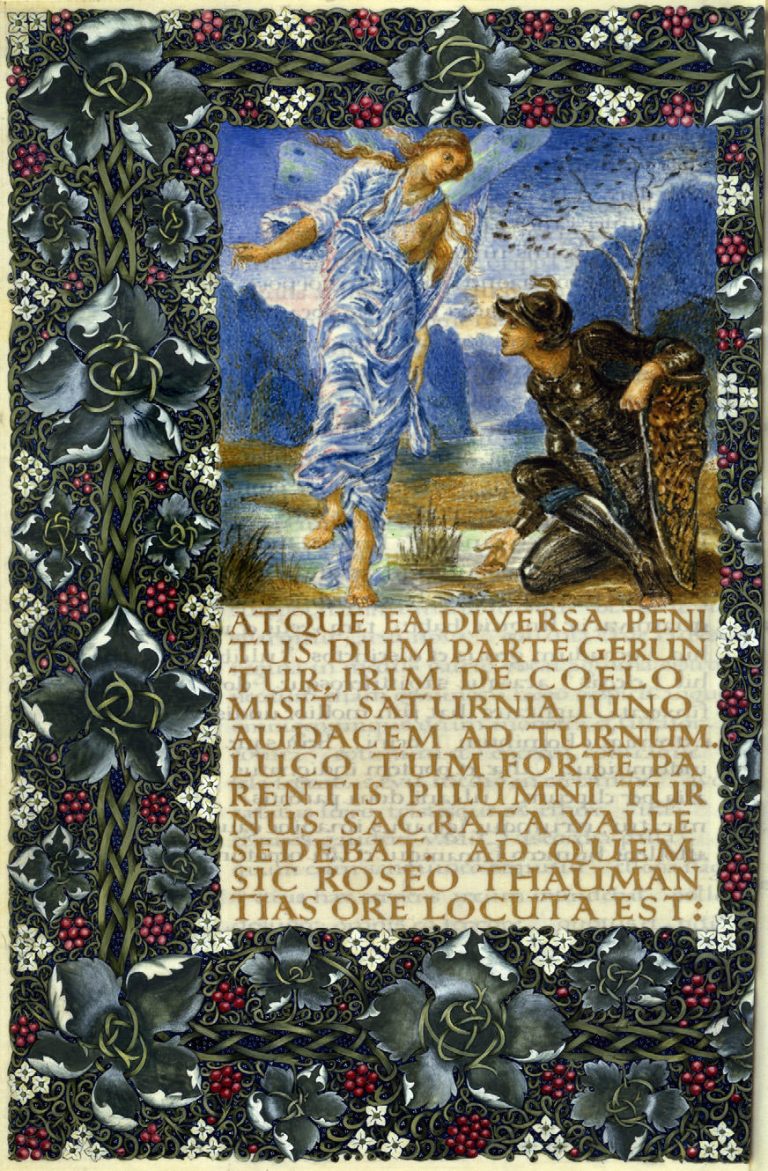
Morris, Aeneids manuscript, p. 238 ( Aeneid 9.1-5) TAL 24 (2015)

William Morris’ Synthetic Aeneids

Jack Mitchell (Dalhousie University) addresses William Morris’ Aeneid translation of 1875 and explains in his article, William Morris’ Synthetic Aeneids: Virgil as Physical Object that “a key theme of Morris’ overall artistic creed, namely the need to make ideas concrete…