Skip to content
  • Art, Film and Performance
    • Art and Visual Culture
    • Film–Philosophy
    • Film Studies
    • Television Studies
    • Theatre and Dance
  • Cultural Studies
    • Cultural History
    • Sociology
    • Gender Studies
    • American Studies
    • European Studies
    • Irish Studies
    • Islamic and Middle Eastern Studies
    • Palestine Studies
    • Scottish Studies
  • History
    • Ancient History and Classical Studies
    • Cultural History
    • Natural History
    • Religious History
    • British History
    • Islamic and Middle Eastern History
    • Scottish History
    • World History
  • Language and Literature
    • Linguistics
    • Literary Studies
    • Literary Theory
    • Modernism
    • Pre-19th Century Literary Studies
    • Post-19th Century Literary Studies
    • Atlantic Literature
    • Scottish Literature
  • Law
    • Energy Law
    • European Law
    • International Law
    • Comparative Law
    • Islamic Law
    • Roman Law
    • Scots Law
  • Philosophy
    • Ancient Philosophy
    • Film–Philosophy
    • Political Philosophy
    • Deleuze and Guattari Studies
    • Scottish Philosophy
  • Politics
    • International Relations
    • Migration Studies
    • Political Philosophy
    • Scottish Politics
    • UK Politics
    • US Politics
  • Religion
    • Religious History
    • Christianity Studies
    • Islamic Studies
  • Publishing
    • Our Community
    • Our Industry
    • Our Publishing
  • About Us
  • Journals
  • Books
  • SUBSCRIBE TO OUR BLOG
Edinburgh University Press Blog
No results
  • Art, Film and Performance
    • Art and Visual Culture
    • Film–Philosophy
    • Film Studies
    • Television Studies
    • Theatre and Dance
  • Cultural Studies
    • Cultural History
    • Sociology
    • Gender Studies
    • American Studies
    • European Studies
    • Irish Studies
    • Islamic and Middle Eastern Studies
    • Palestine Studies
    • Scottish Studies
  • History
    • Ancient History and Classical Studies
    • Cultural History
    • Natural History
    • Religious History
    • British History
    • Islamic and Middle Eastern History
    • Scottish History
    • World History
  • Language and Literature
    • Linguistics
    • Literary Studies
    • Literary Theory
    • Modernism
    • Pre-19th Century Literary Studies
    • Post-19th Century Literary Studies
    • Atlantic Literature
    • Scottish Literature
  • Law
    • Energy Law
    • European Law
    • International Law
    • Comparative Law
    • Islamic Law
    • Roman Law
    • Scots Law
  • Philosophy
    • Ancient Philosophy
    • Film–Philosophy
    • Political Philosophy
    • Deleuze and Guattari Studies
    • Scottish Philosophy
  • Politics
    • International Relations
    • Migration Studies
    • Political Philosophy
    • Scottish Politics
    • UK Politics
    • US Politics
  • Religion
    • Religious History
    • Christianity Studies
    • Islamic Studies
  • Publishing
    • Our Community
    • Our Industry
    • Our Publishing
Edinburgh University Press Blog

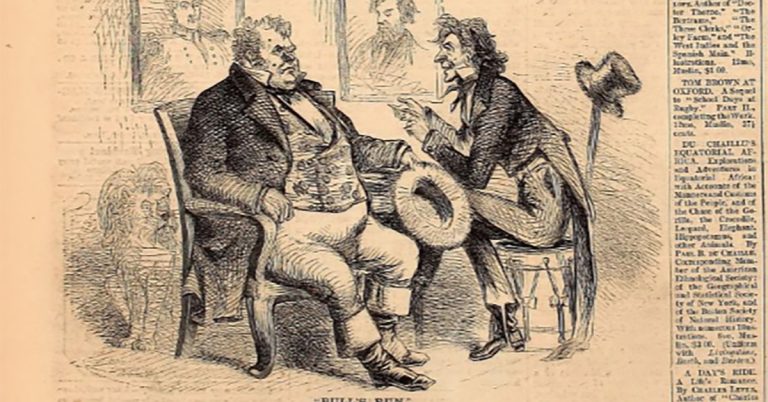
Q&A with Michelle Honeybun, author of “‘His Vest, I Perceive, Is But Padded with Cotton!”: John Bull in Cotton Famine Poetry during the American Civil War (1861–5)’

This interview explores how John Bull became a literary and political figure in Victorian newspaper poetry during the American Civil War and the Cotton Famine.
  • Edinburgh University Press
  • May 13, 2026
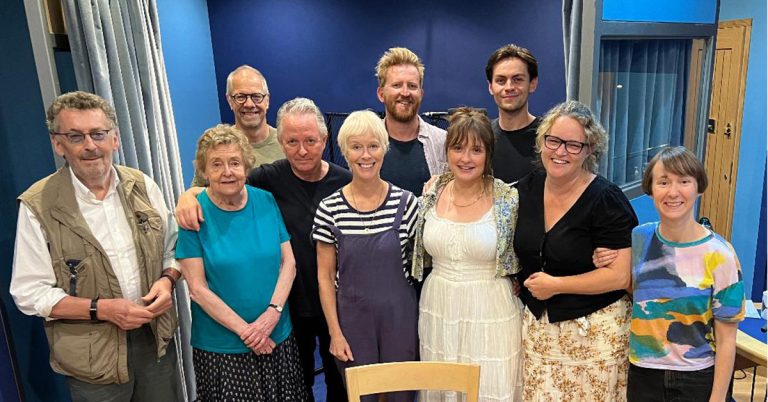
A group photo of the cast of The Odd Women

“Is Such A Life Worthy of the Name?”: Christopher Douglas on the Adaptation of George Gissing’s The Odd Women (Part 2)

by Tom Ue Continued from Part 1 Your integration of The Taming of the Shrew when describing Rhoda and Everard is so clever, but have you thought about reading—as Gissing does—Widdowson’s and Monica’s story in terms of Othello? Yes, I…

  • Edinburgh University Press
  • October 10, 2022
  • 1 Comment
A group photo of the cast of The Odd Women

“Is Such A Life Worthy of the Name?”: Christopher Douglas on the Adaptation of George Gissing’s The Odd Women (Part 1)

by Tom Ue George Gissing’s novel The Odd Women (1893) opens, in 1872, with Dr Madden declaring his intention to insure his life for a thousand pounds. Things are looking up for the family. “[P]rofessional prospects,” he assures his eldest…

  • Edinburgh University Press
  • October 10, 2022

All Stories Run on Two Tracks:What Formalism Offers Presentism

EUP author Katherine Voyles discusses the process around writing a double review for the Victoriographies Journal.

  • Kirsty Crosbie
  • August 10, 2022

Writing Letters, Writing Lives: Dash & Lily and Born in Exile

By Tom Ue Dash & Lily (2020-), Netflix’s charming new adaptation of Rachel Cohn’s and David Levithan’s popular YA series (2010-), has achieved an enviable 100% on Rotten Tomatoes, with critics lauding its performances, story, and festive mood. The first…

  • Edinburgh University Press
  • November 30, 2020
Julian Wolfreys photo

Thanks for all the fish’ and Other Old Clichés – Part 2

By Julian Wolfreys This ‘valedictory’ editorial appears on the EUP Blog in two parts and is published in Volume 7 of Victoriographies, a journal of Victorian writing in the long 19th century, 1790-1914. <Read Part One The point of this…

  • Teri Williams
  • February 17, 2017
  • 1 Comment
Julian Wolfreys photo

Thanks for all the fish’ and Other Old Clichés – Part 1

By Julian Wolfreys This ‘valedictory’ editorial  (on the significance of Victorian) appears on the EUP Blog in two parts and is published in Victoriographies Volume 7.    People soak up time like sponges. They steep themselves in it, amass it…

  • Teri Williams
  • February 6, 2017

Five Unmissable Performances from Penny Dreadful

By Benjamin Poore For the uninitiated, Penny Dreadful is a genre-busting neo-Victorian fantasy horror show, set in the 1890s, in a world where Victor Frankenstein, his Creature, Professor Van Helsing, and Dorian Gray can all co-exist. It’s a world where…

  • Edinburgh University Press
  • March 14, 2016

A Study in Four Colours: The Case of the Chameleon Detective

By Lucyna Krawczyk-Żywko Sherlock Holmes, “the most portrayed literary human character in film and TV” (Guinness World Records News), is skilled at disguising himself and adjusting to different circumstances and yet remaining himself. Few literary characters lose so little in…

  • Edinburgh University Press
  • February 29, 2016

Popular posts

July 9, 2026

5 things you never knew about Gregory of Tours

July 7, 2026

Q&A with Madeleine Chalmers, author of French Technological Thought and the Nonhuman Turn

July 1, 2026

What the Scottish Enlightenment Can Teach Us about Science and Religion

June 25, 2026

Is world citizenship the solution to statelessness?

June 23, 2026

How food shapes peace, conflict, and human connection in everyday life

Archives

Subscribe to blog via email

Enter your email address to subscribe to this blog and receive notifications of new posts by email.

Copyright © 2026 - Edinburgh University Press | All Right Reserved. | Privacy Policy