Skip to content
  • Cultural Studies
    • French Studies
    • Gender Studies
    • Irish Studies
    • Film and TV
    • Theatre and Dance
    • Islamic and Middle Eastern Studies
  • History
    • British History
    • Classics and Ancient History
    • Cultural History
    • Natural History
    • Religious History
    • Scottish History
    • World History
  • Language and Literature
    • Modernism
    • Literary Theory
    • Pre 19th Century Literary Studies
    • Post 19th Century Literary Studies
    • Scottish Literature
    • Atlantic Literature
    • Linguistics
  • Law
    • Comparative Law
    • European Law
    • Islamic Law
    • Roman Law
    • Scots Law
  • Politics, Philosophy and Religion
    • Religion
    • Philosophy
    • Politics
    • Political Philosophy
    • Scottish Politics
    • Film Philosophy
  • Publishing

  • About Us
  • Journals
  • Books
  • SUBSCRIBE TO OUR BLOG
Edinburgh University Press Blog

No results
  • Cultural Studies
    • French Studies
    • Gender Studies
    • Irish Studies
    • Film and TV
    • Theatre and Dance
    • Islamic and Middle Eastern Studies
  • History
    • British History
    • Classics and Ancient History
    • Cultural History
    • Natural History
    • Religious History
    • Scottish History
    • World History
  • Language and Literature
    • Modernism
    • Literary Theory
    • Pre 19th Century Literary Studies
    • Post 19th Century Literary Studies
    • Scottish Literature
    • Atlantic Literature
    • Linguistics
  • Law
    • Comparative Law
    • European Law
    • Islamic Law
    • Roman Law
    • Scots Law
  • Politics, Philosophy and Religion
    • Religion
    • Philosophy
    • Politics
    • Political Philosophy
    • Scottish Politics
    • Film Philosophy
  • Publishing
  • Q&A: The Rise and Fall of the Barmakids

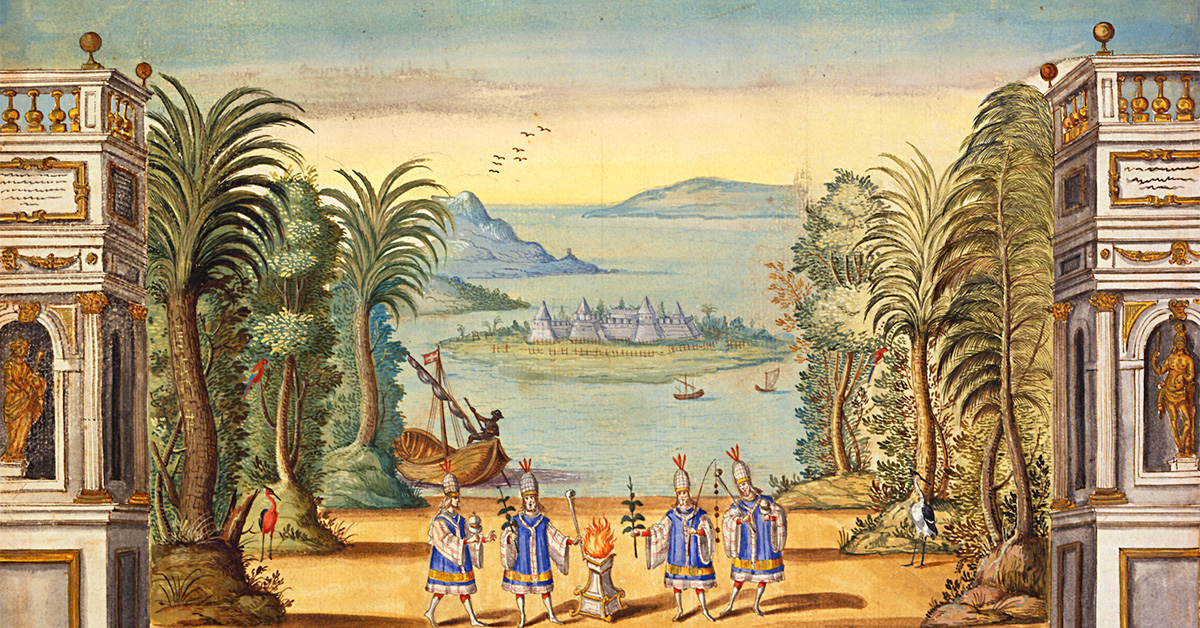
    Tales of courtly intrigue, moral testing, romance and reversals of fortune from a rare Persian manuscript…

    April 7, 2026
    Read more: Q&A: The Rise and Fall of the Barmakids

The Poisonous Flowers of H. Rider Haggard’s Cleopatra: Part Three

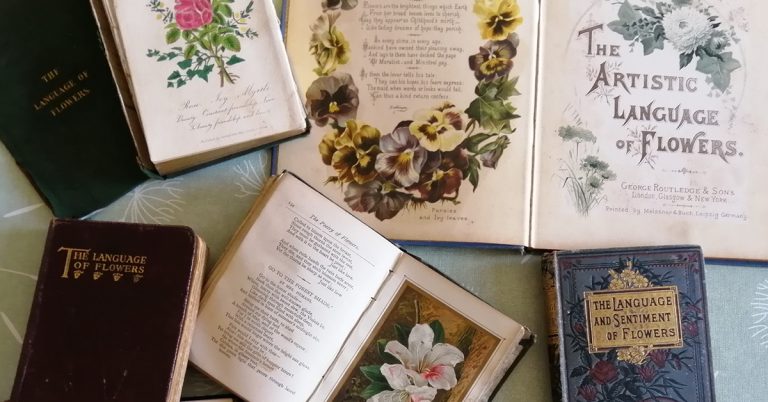
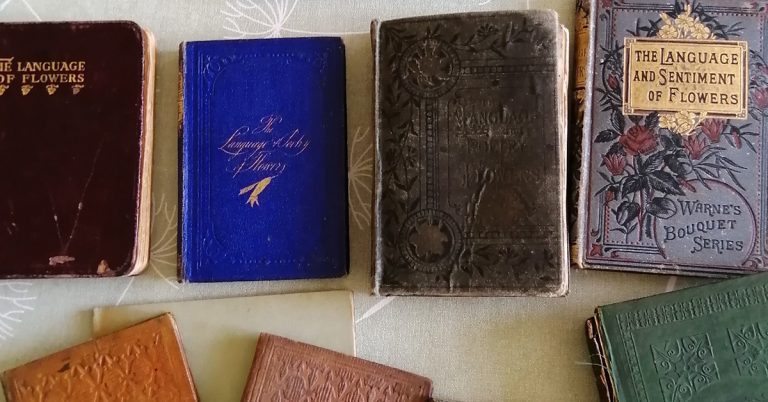
By Jemma Stewart Read Part 1 and Part 2 of this blog series. Rose Roses…have ever reigned as queens of flowers.[i] The rose bloomed in Ancient Egypt, as Jack Goody attests: Above all there was the hundred-petalled rose, which became…
  • Teri Williams
  • October 16, 2020

The Poisonous Flowers of H. Rider Haggard’s Cleopatra: Part Two

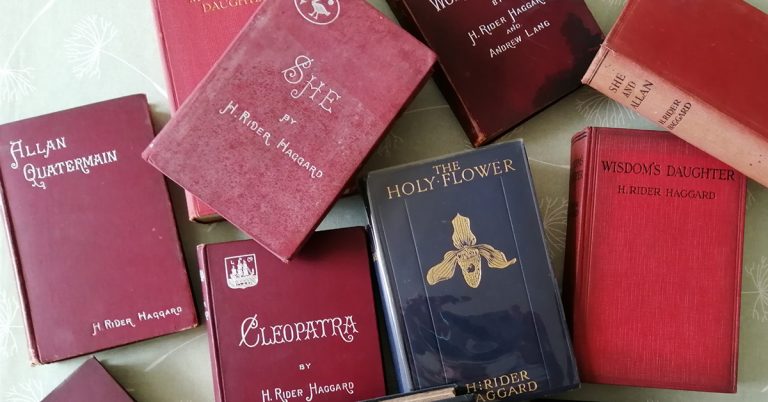
By Jemma Stewart Read Part 1 of this blog series. Lotus And as the voice spoke, a cold hand touched my hand … As the light came back, I gazed upon that which had been left within my hand. It…
  • Teri Williams
  • October 15, 2020

The Poisonous Flowers of H. Rider Haggard’s Cleopatra: Part One

By Jemma Stewart H. Rider Haggard’s Gothic Garden In the Gothic Studies articles ‘Blooming Marvel’ and ‘She shook her heavy tresses’, I assess the ways in which floral symbolism (or floriography) in Bram Stoker’s Dracula (1897) and H. Rider Haggard’s…

  • Teri Williams
  • October 14, 2020

Popular Posts

Q&A: The Rise and Fall of the Barmakids

Who needs advice?

Silhouette of a bird perched on coiled razor wire atop a fence, with the sun setting behind it, casting a warm orange glow across the sky.

Agonistic memory in protracted conflicts

The politics of contemporary lynching in Mexico

The Acousmatic Work Ethic and the Spirit of Sound Studies

Subscribe To Blog Via Email

Enter your email address to subscribe to this blog and receive notifications of new posts by email.

Copyright © 2026 - Edinburgh University Press | All Right Reserved. | Privacy Policy