
-
Q&A: ‘Wladzio D´Attainville and the House of Balenciaga (1924–1948)’
Read more: Q&A: ‘Wladzio D´Attainville and the House of Balenciaga (1924–1948)’Ana Balda uncovers Wladzio D’Attainville's crucial impact on Cristóbal Balenciaga's fashion empire.



Ana Balda uncovers Wladzio D’Attainville's crucial impact on Cristóbal Balenciaga's fashion empire.

By Jamil Hijazi, Jessica Obeid and Michel-Ange Medlej Jamil Hijazi and co-authors (Jessica Obeid and Michael-Ange Medlej) navigate the future of the Energy Transition in the Middle East Gulf Economies Post COVID-19 ahead of their upcoming article in the Global…
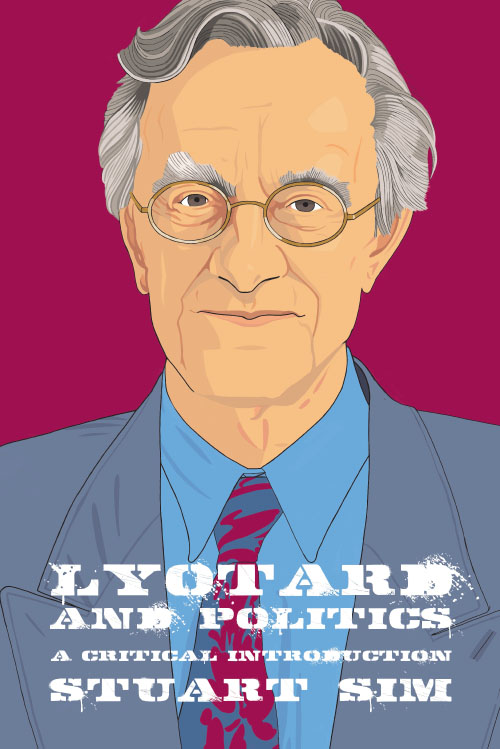
I first encountered Jean-François Lyotard's work in the mid-1980s, after the publication of the English translation of his book The Postmodern Condition. It was a text that created quite a stir in the English-speaking academic world, drawing a lot of both praise and criticism. I was one of those to be critical, as in the first thing I ever wrote about Lyotard, a journal article for Radical Philosophy, where I argued there was a nihilistic quality to his thought.
By John Reuben Davies Read the editorial introduction from The Innes Review: 70th Anniversary Virtual Collection, which is free to access on our site and contains over 40 free articles spanning 70 years of the The Innes Review‘s history. The…

By Enrico Galvagni There is a myth that spans the history of western thought: the myth of the selfless philosopher. True philosophers, the myth says, are ethereal creatures who dropped every trace of pride, egoism, and vainglory to devote their…

Where will politicization of the response to COVID-19 end? When former President G.W. Bush issued calls to put partisanship aside and unite in the fight against COVID-19, President Trump virulently criticized the former, reproaching him with not taking his side when Democrats launched the impeachment process against him.
In the 2019-2020 winter, pre-COVID-19, the odds for Trump's reelection were good... Unfortunately for him, the Covid health crisis reshuffled the deck.
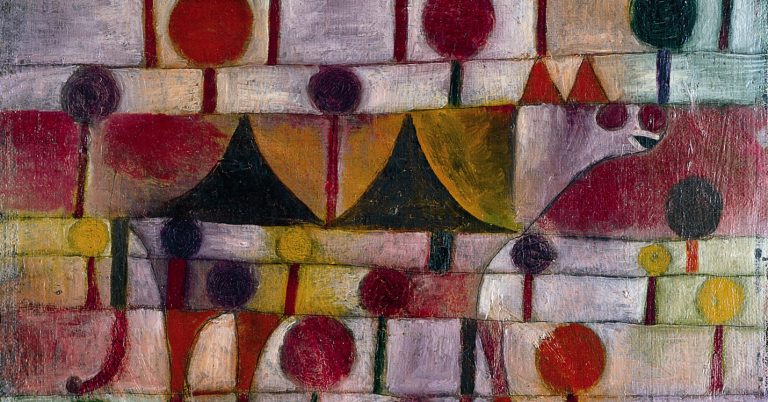
Sunil Manghani explores how rhythm came to be one of the most productive terms for critical enquiry into our social, political and cultural lives, and looks to the future of research into rhythm.

How we make place and have a sense of belonging in a pandemic is such a very different experience than many of us have usually experienced.
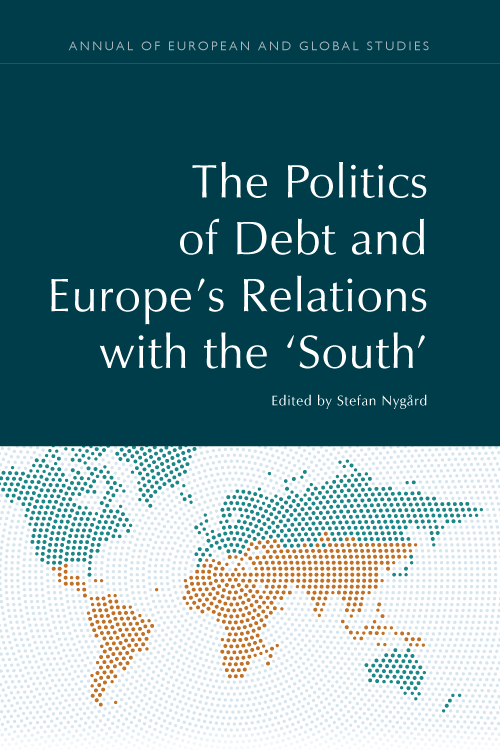
Even before COVID-19, unprecedented levels of public and private borrowing placed debt at the centre of academic and public debates. If access to credit at this stage of the pandemic is crucial for keeping alive economies across the globe, the health crisis has further exacerbated our reliance on borrowing. Massive efforts are expected of states and central banks to support not only individual financial institutions but the financial system as a whole.