-
Q&A with the author of Performing Worlds at the Baroque Court of Christine of France
Read more: Q&A with the author of Performing Worlds at the Baroque Court of Christine of FranceThis interview explores how Christine of France used Baroque court spectacles to shape political authority, global imagination, and cultures of consumption.

Theologies of Reading
By Laura McCormick Kilbride, Ruth Jackson Ravenscroft, and Simone Kotva Is reading a theological activity? This is a question which only invites further questions. How a person responds to it will reveal as much about their presuppositions and their training…

Translation and Literature Reaches Thirty: A Little History
By Stuart Gillespie I was one of the two founding editors of this journal in 1992. Anyone involved with a publication for this long will have travelled far, and when I look back over the thirty-year lifespan of Translation and…

Four Irish Persephones
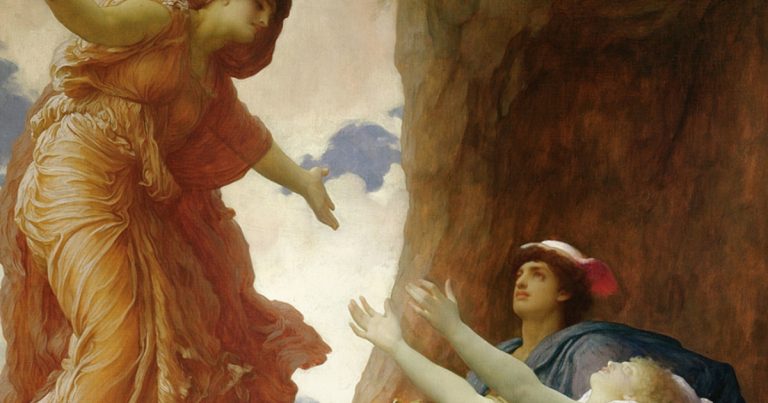
By Virginie Trachsler The young Persephone is gathering flowers in a meadow when her uncle Hades, god of the underworld, rises through a crack in the earth and abducts her on his golden chariot. Her mother Ceres wanders the earth…

Remembering Sarah Kofman in the 2020s?
By Jacob Bates-Firth Sarah Kofman and the Relief of Philosophy (ed. Bates-Firth and McKeane) is out now as a special issue of Paragraph, 44:1 (March 2021) and concurrently in book form with Edinburgh University Press. Backdrop When John and I began to…

About William S. Burroughs
By Stanley Gontarski American outlier writer, William S. Burroughs, was a creative force, as a writer in his own right, and as a cultural theorist, particularly his anticipation of what we now regularly call “a society of control” or “a…

The Poisonous Flowers of H. Rider Haggard’s Cleopatra: Part Three
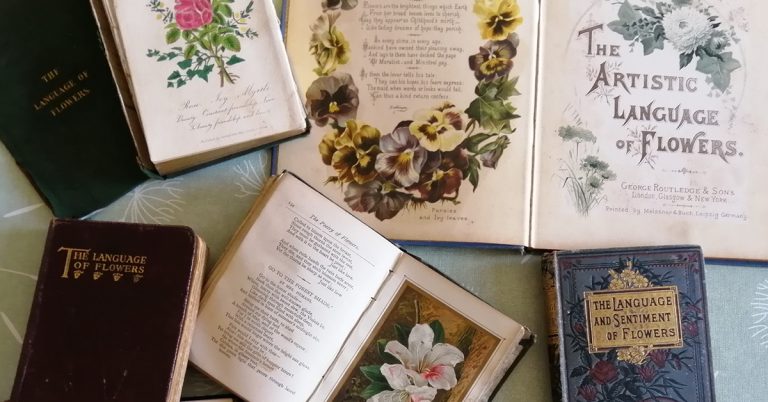
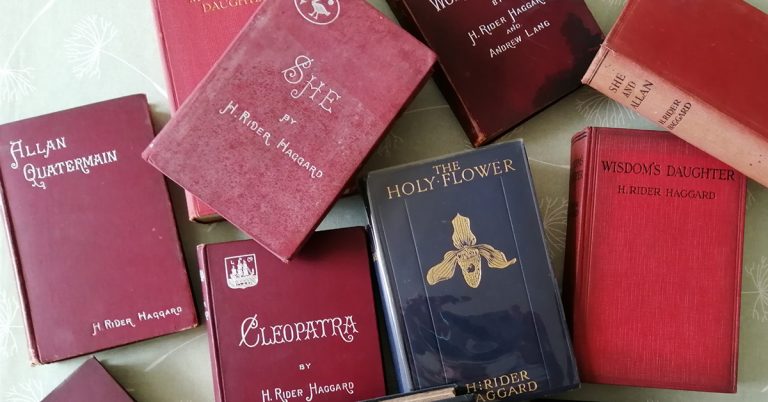
By Jemma Stewart Read Part 1 and Part 2 of this blog series. Rose Roses…have ever reigned as queens of flowers.[i] The rose bloomed in Ancient Egypt, as Jack Goody attests: Above all there was the hundred-petalled rose, which became…

The Poisonous Flowers of H. Rider Haggard’s Cleopatra: Part Two
By Jemma Stewart Read Part 1 of this blog series. Lotus And as the voice spoke, a cold hand touched my hand … As the light came back, I gazed upon that which had been left within my hand. It…

The Poisonous Flowers of H. Rider Haggard’s Cleopatra: Part One
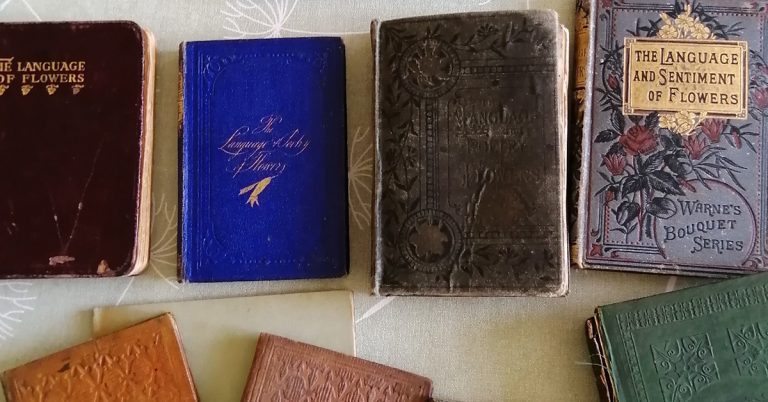
By Jemma Stewart H. Rider Haggard’s Gothic Garden In the Gothic Studies articles ‘Blooming Marvel’ and ‘She shook her heavy tresses’, I assess the ways in which floral symbolism (or floriography) in Bram Stoker’s Dracula (1897) and H. Rider Haggard’s…

What Is the Point of Literary Criticism?
Anglophone literary criticism has over the last decade engaged in a searching analysis and critique of its own methods. Perhaps surprisingly, much of that debate has considered *how* one should engage in literary interpretation—whether one should read closely or from a distance, interpret in a paranoid or reparative way, emphasize the work’s surface or depth, engage in “critique” or some other mode of attachment—and rather less *why*. But we might benefit from asking that question more openly: what, after all, is the point of literary criticism? Why does this practice merit the sustained intellectual energy so many scholars have devoted to it?