
-
5 Dimensions of Affect in Bergson’s Philosophy
Read more: 5 Dimensions of Affect in Bergson’s PhilosophyHenri Bergson's philosophy reveals time as a continuous and interconnected melody.


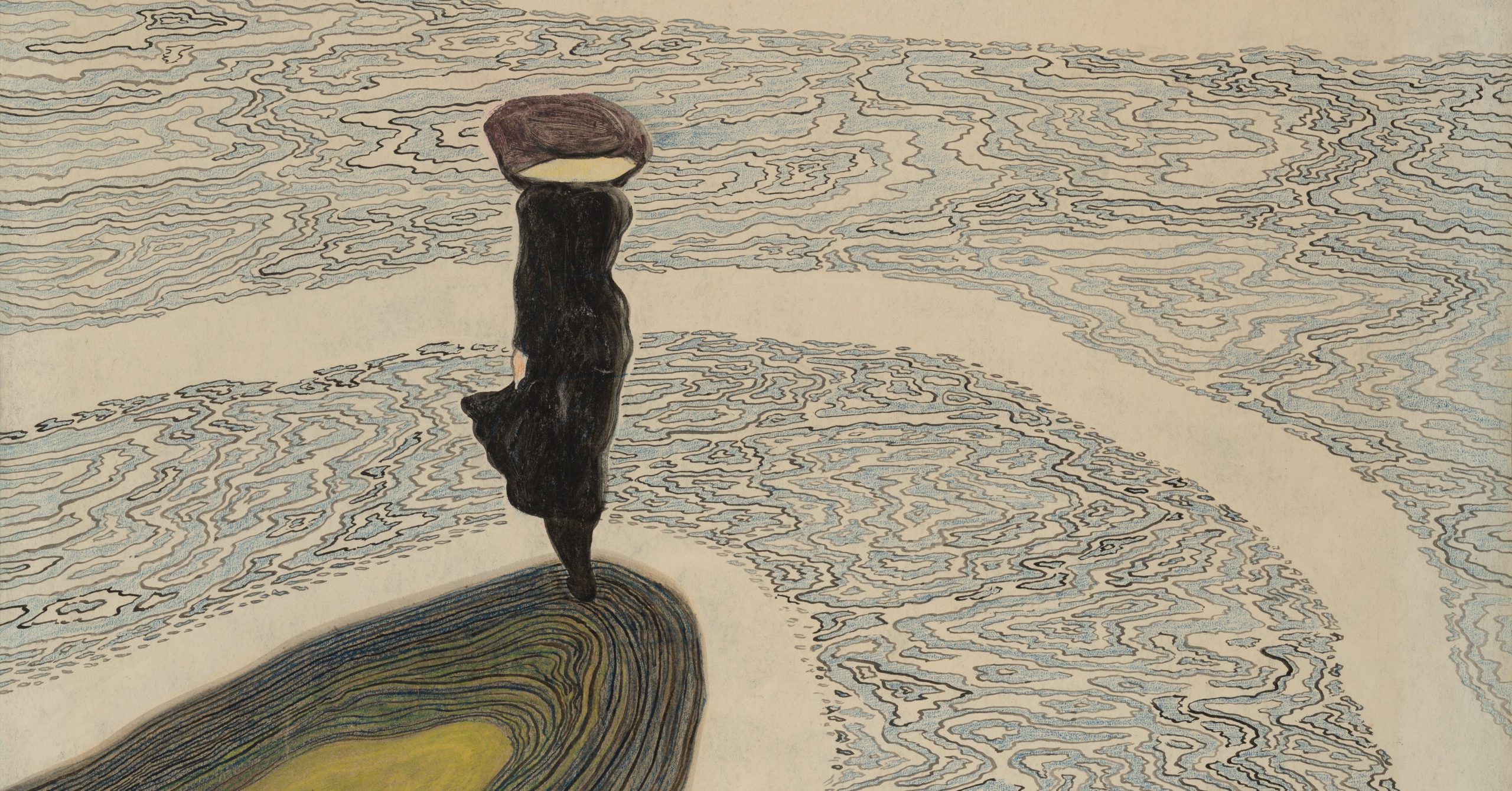
Henri Bergson's philosophy reveals time as a continuous and interconnected melody.
By Catriona M.M. Macdonald Historians frequently address reputations in their work, indeed they are central to some of the most important debates in historiography. They are typically less inclined, however, to address common assumptions regarding the work and legacy of…
By Asher Jiang The concept of physical power in its modern forms has been introduced by Sir Isaac Newton in his great work Philosophiae Naturalis Principia Mathematica. Although Newton has embedded this concept into a precise mathematical framework, the power…

By Giovanni Gellera Until recently, the question ‘What was philosophy like in Scotland before the Enlightenment?’ met a standard answer reminiscent of the famous Augustinian warning to those who dared to ask what was there before the beginning of time:…
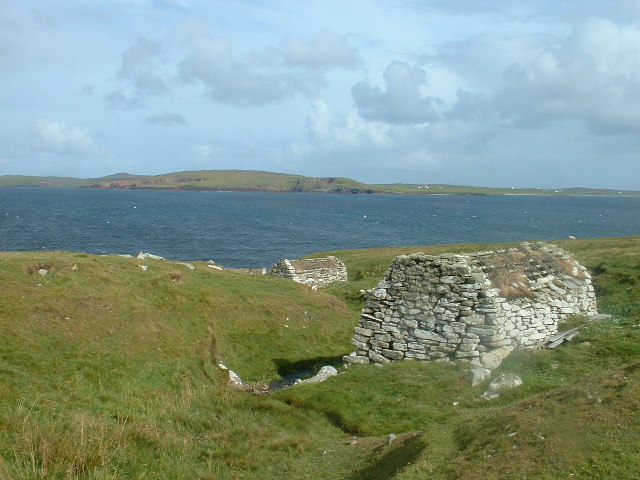
Founded in 1969, the Scottish Archaeological Journal publishes original articles which aim to further the study of archaeology in Scotland. The journal, published on behalf of the Glasgow Archaeological Society, features the latest results of archaeological fieldwork, excavation and research.…

By William Knox Violence is an area much neglected by Scottish historians unlike those working in other countries, such as England, Western Europe and the USA, where its study has become central to our understanding of social relations, in particular class and…
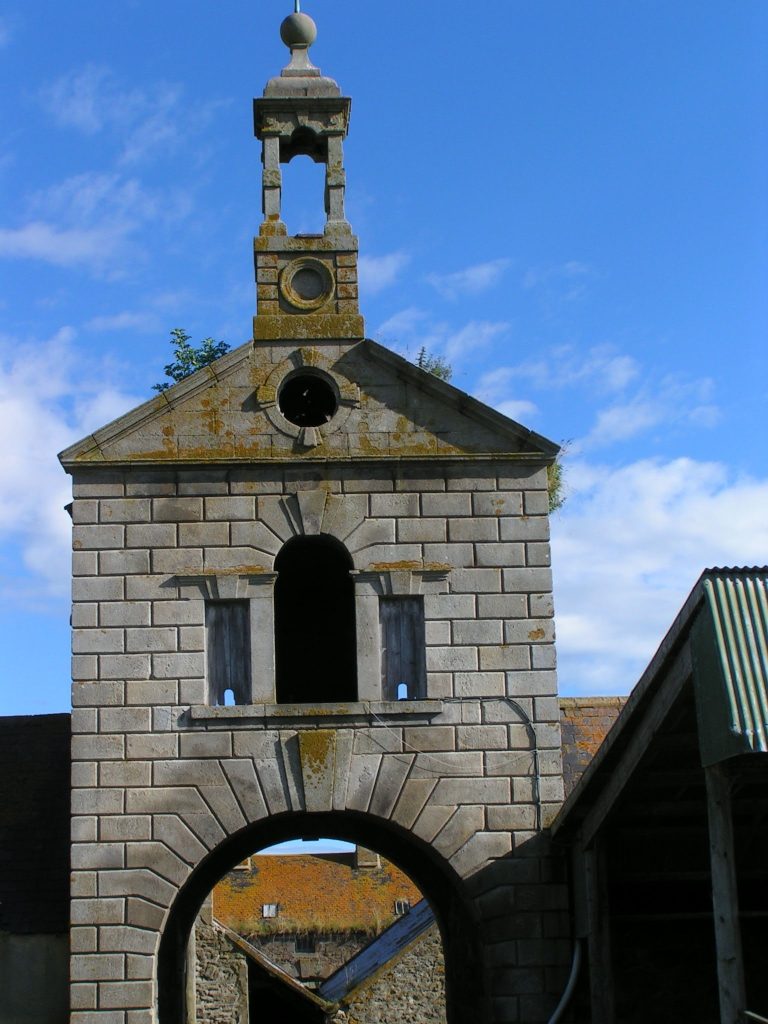
In the May 2015 issue of the Journal of Scottish Historical Studies, Eric Grant and Alistair Mutch explore the intertwined careers of Kenneth Murchison, surgeon, and Patrick Duff, General of the East India Company’s artillery in Bengal. Both men returned…
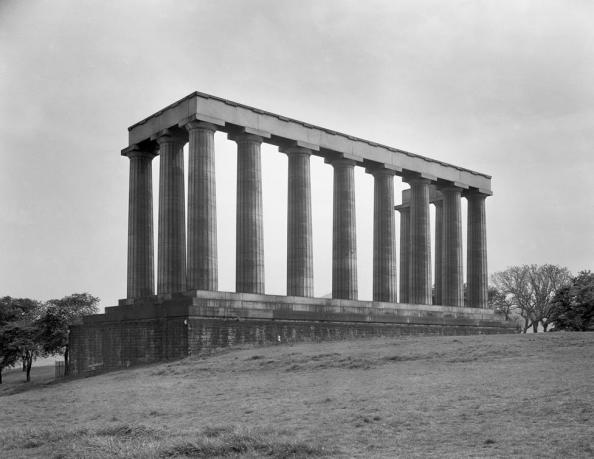
In the November 2014 edition of Architectural Heritage John Gifford explores the history, origin and alternative designs of the National Monument of Scotland. Twelve Doric columns stand on Edinburgh’s Calton Hill, witnesses to ambition, patriotism, love of the arts, respect…
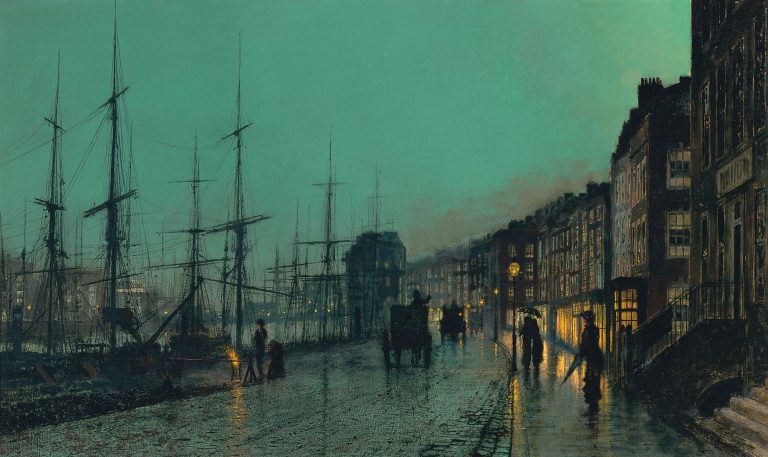
The Surrounding Burghs’ Resistance to Glasgow’s Municipal Expansion, c. 1869–1912 By the mid-nineteenth century Scotland’s industrial revolution had resulted in exponential population growth in established towns and cities, as well as the transformation of erstwhile villages into de facto towns.…
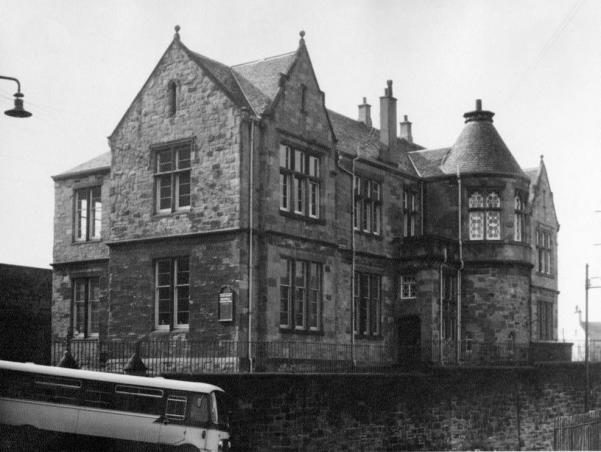
The rapid programme of school building undertaken across Glasgow by the School Boards (1873–1919) left the city with a rich legacy of architecture designed by the top architects of the day. This was in contrast to most other UK cities…