
Uncovers the nonhuman turn’s unexpected roots in the avant-gardes and mysticisms of 19th-century France.
Tell us a bit about your book.
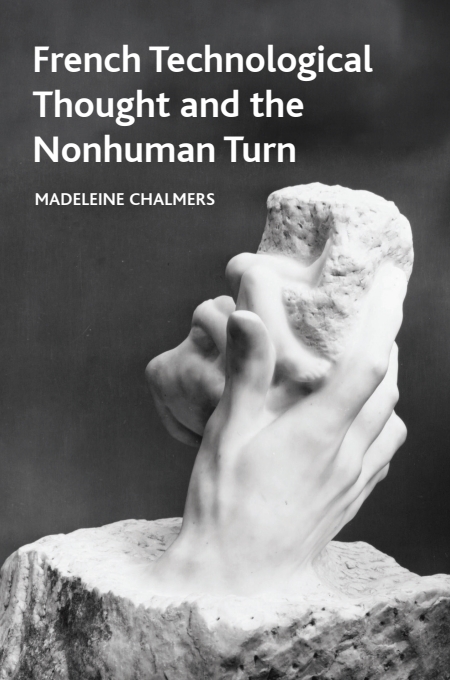
If I ask you what springs to mind when you think about the relationship between literature, philosophy, and technology, you might mention cyborgs, the nature of consciousness, dystopian futures, science fiction, and the way that literature can act as a conceptual laboratory for imagining and testing possible technological scenarios. French Technological Thought and the Nonhuman Turn features those elements, but it combines them in an unfamiliar story: one that digs back to the roots of an influential body of post-1968 French philosophy and uncovers a literary and conceptual lineage of Catholic mysticism, surrealism, and spiritual cybernetics. It’s an unorthodox history in multiple senses of the term, where literature, philosophy, theology, and technology meet and mingle in ways that are difficult to disentangle. The landscape of French technological thought is inhabited by Christological torture machines, bicycles, blasphemous phonographs, apocalyptic visions of a post-labour world, wheels, cameras, tarot cards, and trains – and yet, these apparently obscure texts echo through an influential body of twenty-first-century ‘nonhuman’ theory in ways that can illuminate its assumptions and blindspots.
What inspired you to research this area?
As an undergraduate student in the early to mid-2010s, just when public discourse about artificial intelligence was beginning to gain momentum, I wrote a dissertation on nineteenth-century French fiction about androids and technological speculation, asking what it could ‘tell’ us about twenty-first-century technology. However, a straightforward comparison that kept ‘fiction’ and ‘reality’ apart was unsatisfying to me: it seemed to undermine the role that literary representations play in shaping the way that we navigate the world.
Then, during my graduate studies, I encountered a large body of critical theory that focused on decentring the human in favour of other forms of being: animal, geological, or technological. Once again, I was restless about the ways in which some proponents of this ‘nonhuman’ turn positioned themselves in explicit opposition to Christian theology. I knew that there was a different story to tell, and that was the seed for this book. Some of the most influential sources for this nonhuman thinking are French philosophers, notably Gilles Deleuze, Bruno Latour, and Gilbert Simondon. Looked at only in the smooth space of philosophical abstraction, they make a neat intellectual genealogy. However, when looked at in a specific national context, as French philosophers, another genealogy emerges which is predominantly literary and — to the Anglophone readers who draw on these thinkers in their theory — surprisingly and even troublingly mystical, Catholic, and avant-garde.
What was the most exciting thing about this project for you?
The most exciting aspect was how the project expanded beyond its original nineteenth-century scope, and how pieces that I hadn’t imagined might fit together did so in undeniable chains of transmission. When you’re working on a chapter on Deleuze and find references to every single one of the authors from your previous chapters – not just in passing but deployed to define key notions – and you’re able to bring those threads back together again, it’s a genuine scholarly thrill. This project redefined how I thought about my research. I was able to combine the close reading that constituted my training as a literature scholar to allow ideas to expand beyond the disciplinary silos and histories within which they are often confined.
Has your research in this area changed the way you see the world today?
Absolutely! The questions around Catholicism and technology that animate my book seem only to have become more prominent, especially as Large Language Models and generative artificial intelligence have exploded in recent years. I would love to revisit my ideas in the light of Pope Leo XIV’s 2026 encyclical Magnifica Humanitas [Magnificent Humanity], which addressed the moral and ontological stakes of artificial intelligence in the light of Catholic social teaching and personalism – and sparked global reactions. It would also be brilliant, and challenging, to reinterrogate my French authors and thinkers on the topic of generative AI.
What’s next for you?
My current project, DIY Epistemologies: An Alternative Intellectual History of France unearths the intellectual tradition “beneath” French theory to reveal taproots of neurodivergence, esotericism, embodied experimentation, and creative bricolage. It asks how we can find space within epistemology for knowledge which is atypical, delegitimized or socially unsanctioned but integral to the messy complexity of how individuals shape their lives.
I’m also working on setting up a Fringe Lab cross-disciplinary research cluster at the University of Glasgow, bringing together fantastic colleagues across the university who work on fringe knowledge production and the epistemological margins more broadly. Glasgow is an exciting intellectual home for the questions I’ve been asking, and a reminder that exploring unofficial and heterodox histories to understand why we think the way we do has never been more timely.
About the author

Madeleine Chalmers is Lecturer in Liberal Arts at the University of Glasgow, where she is also the inaugural programme director for the MA in Liberal Arts. Rooted in French studies, her work explores how historic avant-garde literature and culture can speak to twenty-first-century questions in technology, science, and epistemology.
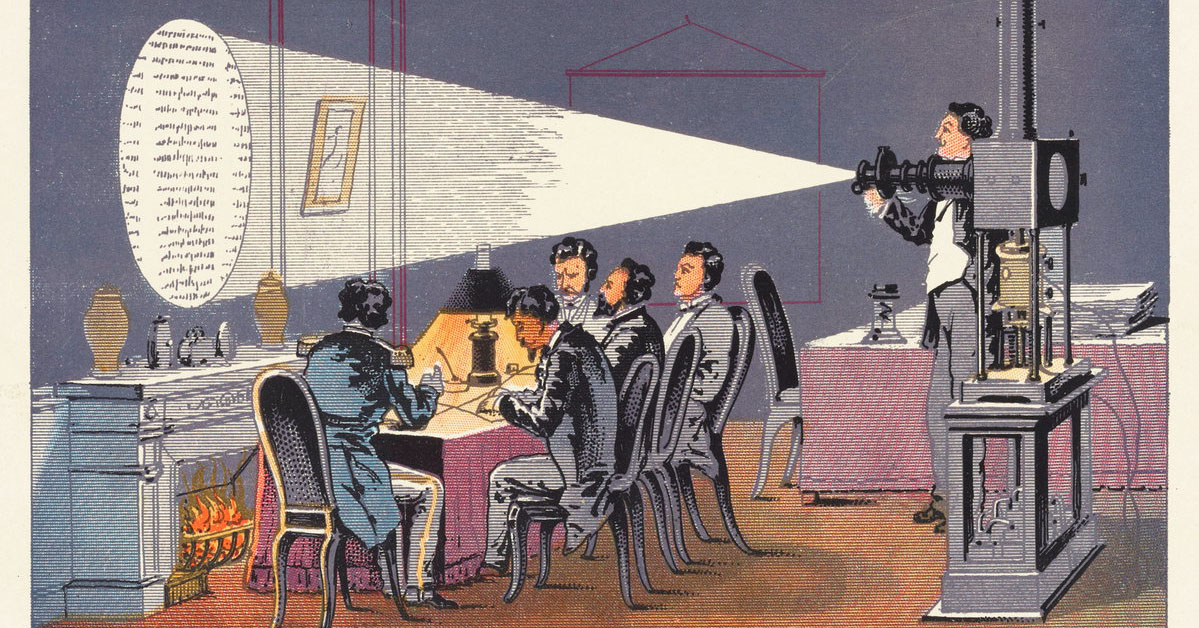
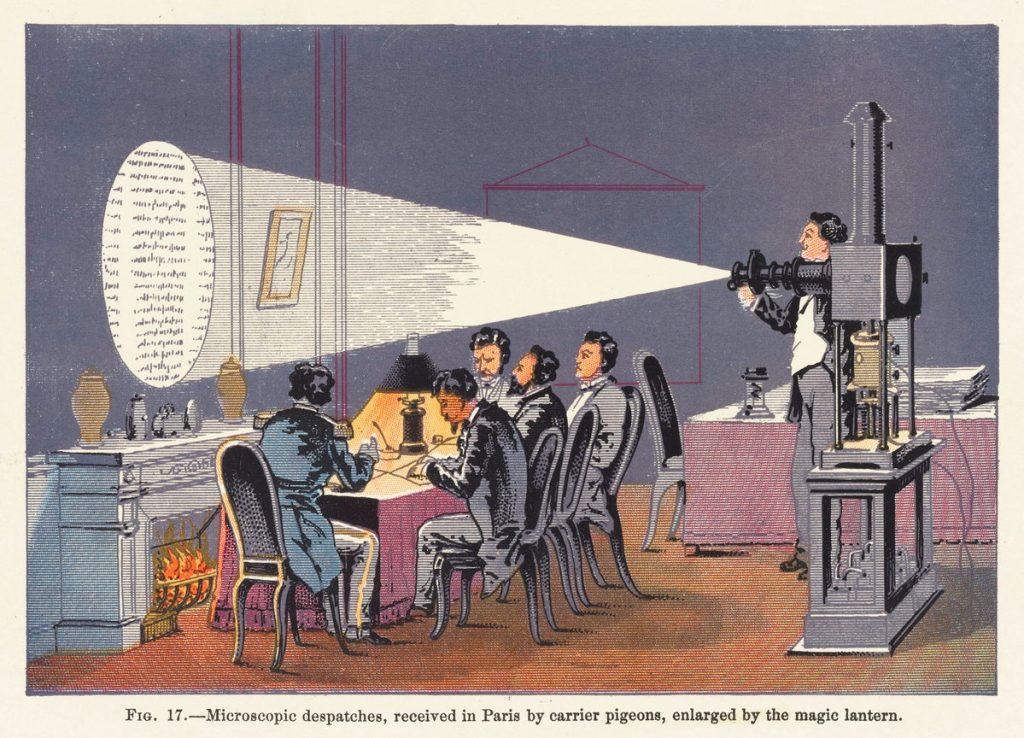
- Courtesy of Science History Institute; https://digital.sciencehistory.org/works/cvawk7z (public domain) ↩︎