
Q&A with the author of Whiteness, Feminism and the Absurd in Contemporary British and US Poetry
A Q&A with Jenna Clake, author of Whiteness, Feminism and the Absurd in Contemporary British and US Poetry.


A Q&A with Jenna Clake, author of Whiteness, Feminism and the Absurd in Contemporary British and US Poetry.
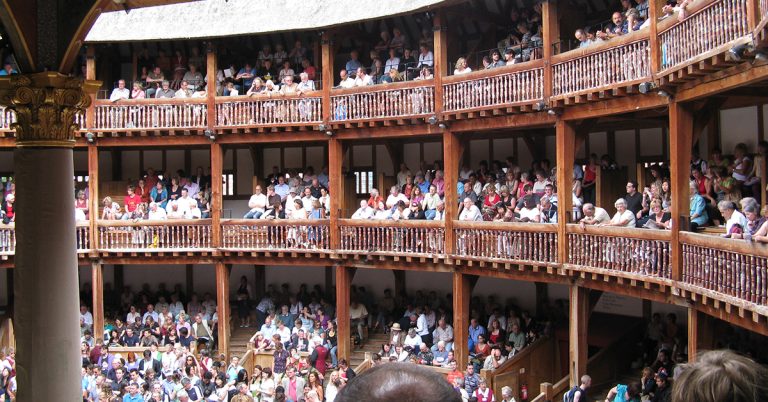
by Jeffrey Knapp The first speaker in one of Shakespeare’s earliest plays is not a prince, like Hamlet, or a lover, like Juliet, or a warrior, like Macbeth. He’s a drunken beggar. And he’s incensed that the hostess of the tavern…
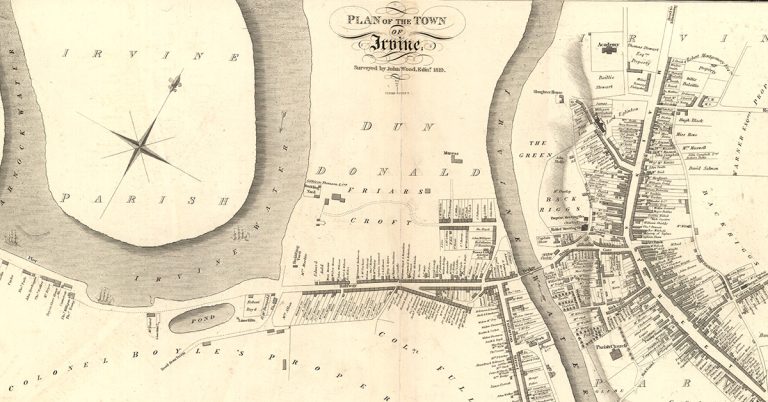
by Caroline McCracken-Flesher In Provost Pawkie’s Gudetown readers hear the town clock tick just once. The city fathers gather at the council chamber. “[The] town was lying in the defencelessness of sleep,” Pawkie remembers, “and nothing was heard but the…
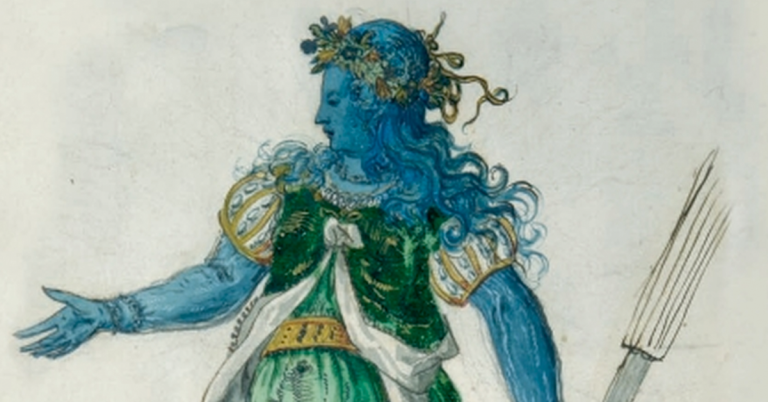
by Sophie Chiari and Anne-Marie Miller-Blaise In the following quiz, each answer is related to a particular chapter of The Ecology of Dress in Shakespeare and his Contemporaries. We hope, as a result, that this fun test will enable you…
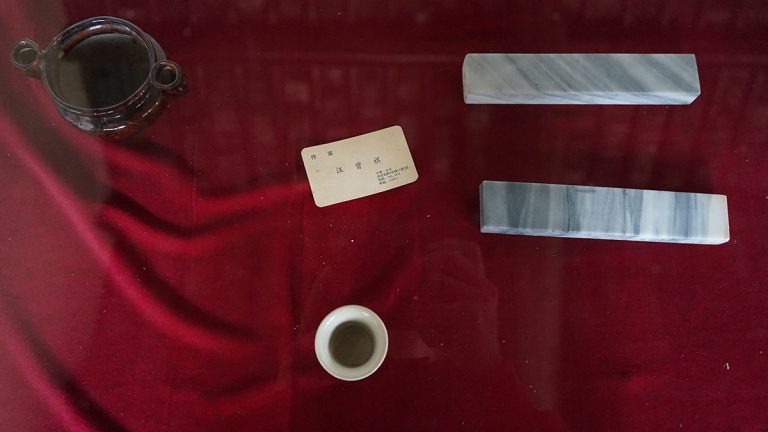
by Tao Peng Why Do Chinese Readers Like Wang Zengqi? During Wang Zengqi’s (1920–1997) lifetime, his works were not yet bestsellers in bookstores across China as they are today, nor were there as many academic articles discussing their literary value.…
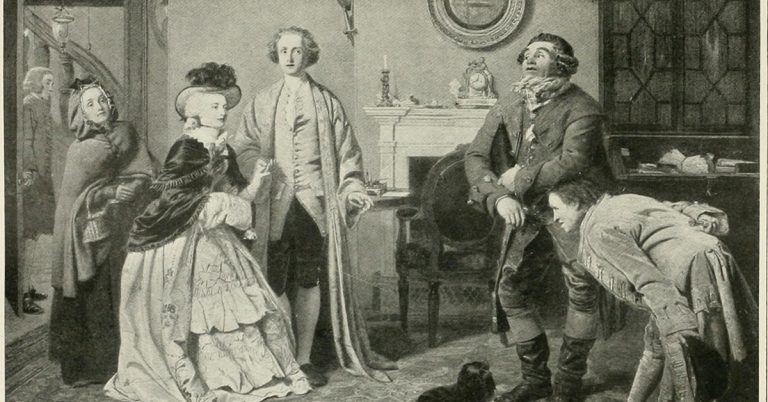
by Ruth M. McAdams Tell us a bit about your book. Temporality and Progress in Victorian Literature is about what happened when Victorians looked around for signs of the historical progress that was allegedly taking place on a broad scale.…
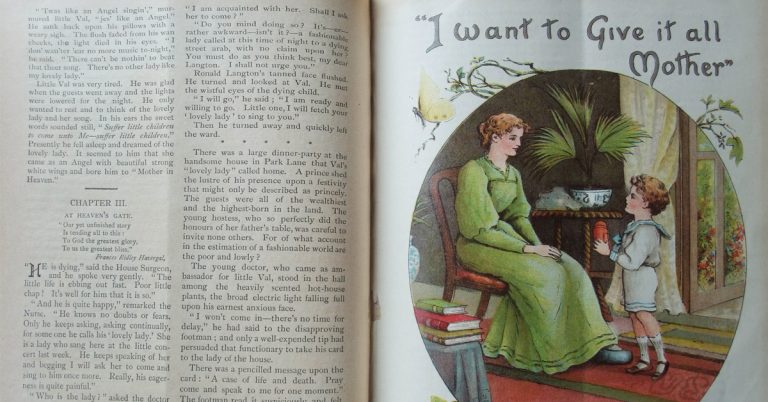
A Q&A with the author of Philanthropy in Children’s Periodicals, 1840–1930: The Charitable Child.
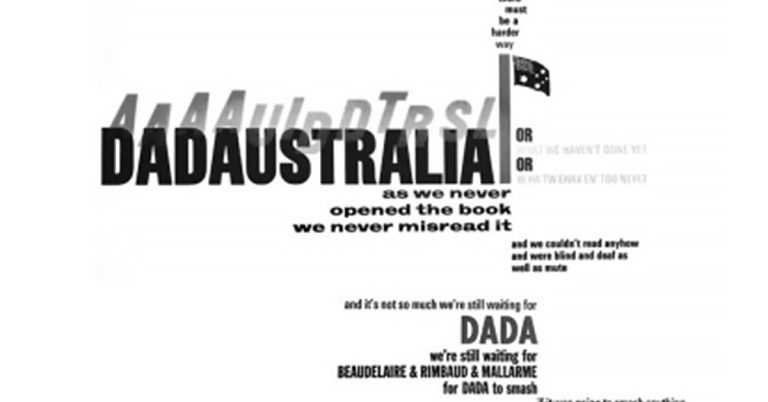
Did Australia invent the idea of the avant-garde?
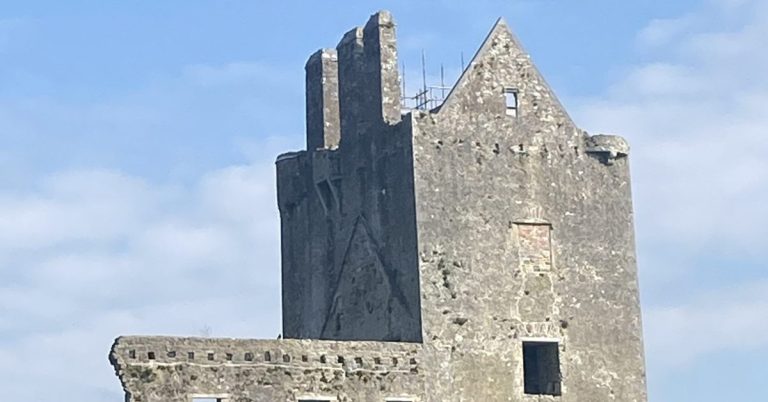
Cora Crampton explores a lesser-known aspect of W. B. Yeats’s oeuvre - his collaboration with Frank O’Connor in the translation of Irish language poetry during the 1930s.