-
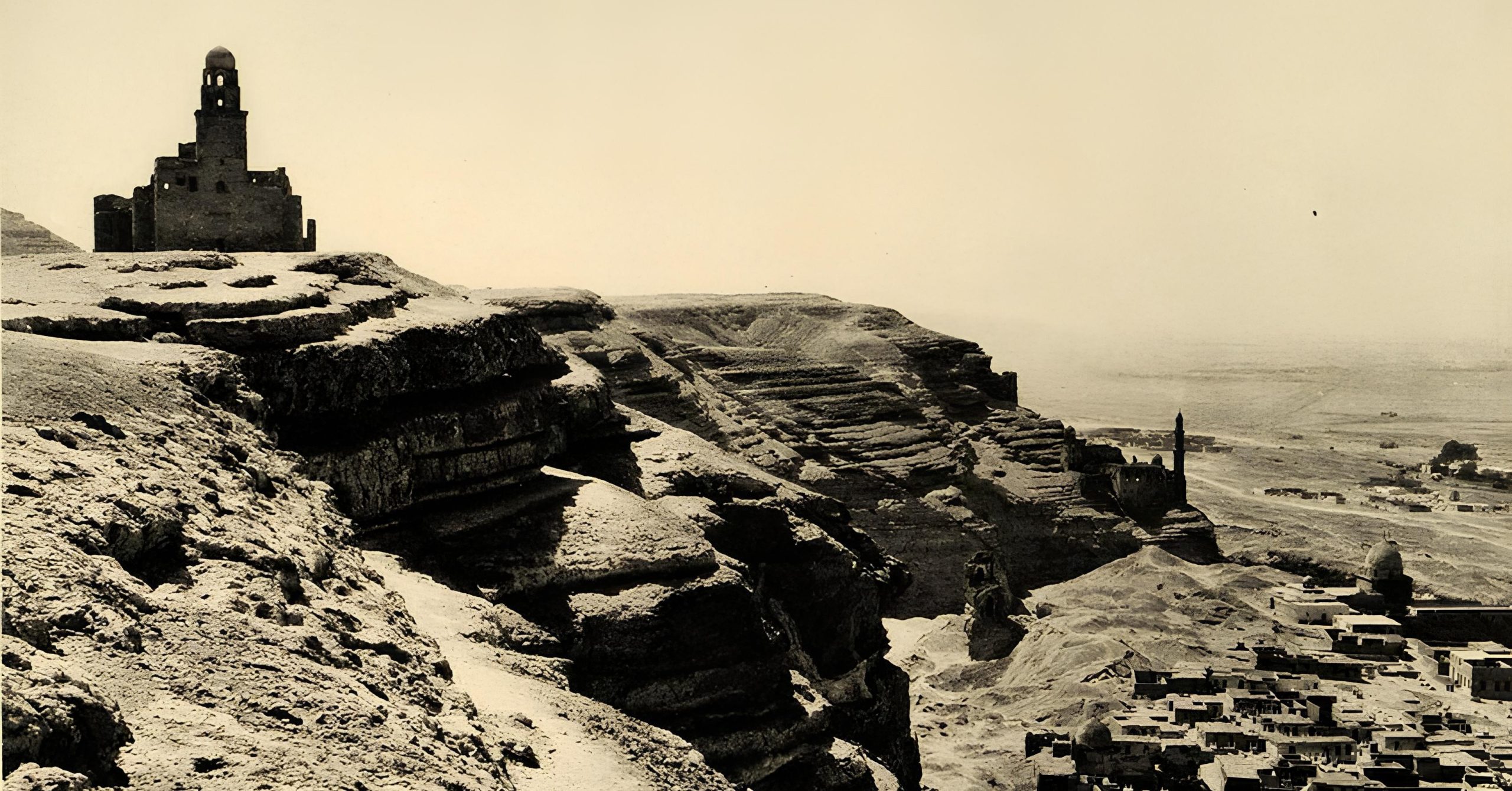
Al-Mashhad al-Juyūshī: The story behind one of Cairo’s most remarkable Fatimid monuments
Read more: Al-Mashhad al-Juyūshī: The story behind one of Cairo’s most remarkable Fatimid monumentsExplores how power, memory and faith come together at al-Mashhad al-Juyūshī, a Fatimid monument set high on Cairo’s Muqaṭṭam Hills.


Visually Speaking: African American Films Past and Present (Part One)

In this five-part series, Geetha Ramanathan, author of Kathleen Collins: The Black Essai Film (Edinburgh University Press, 2020), explores over…
The Politics of Debt and Disease
Even before COVID-19, unprecedented levels of public and private borrowing placed debt at the centre of academic and public debates. If access to credit at this stage of the pandemic is crucial for keeping alive economies across the globe, the health crisis has further exacerbated our reliance on borrowing. Massive efforts are expected of states and central banks to support not only individual financial institutions but the financial system as a whole.
8 new introductions to The Squid Cinema from Hell (extended post)
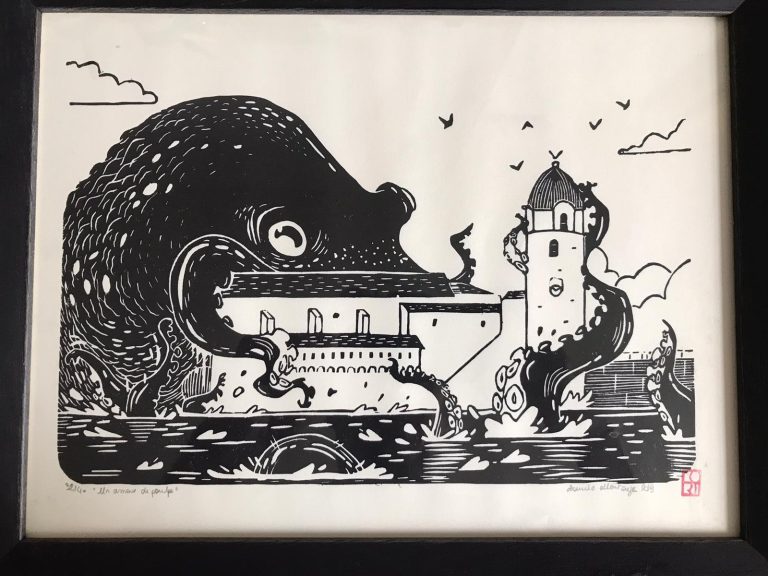
In and extended blog post, William Brown and David Fleming discuss 8 new introductions to their new book, The Squid Cinema from Hell.
8 new introductions to The Squid Cinema from Hell
William Brown and David H Fleming discuss the eight possible other introductions to their book The Squid Cinema from Hell.
George Strachan of the Mearns: A Historian’s Biography
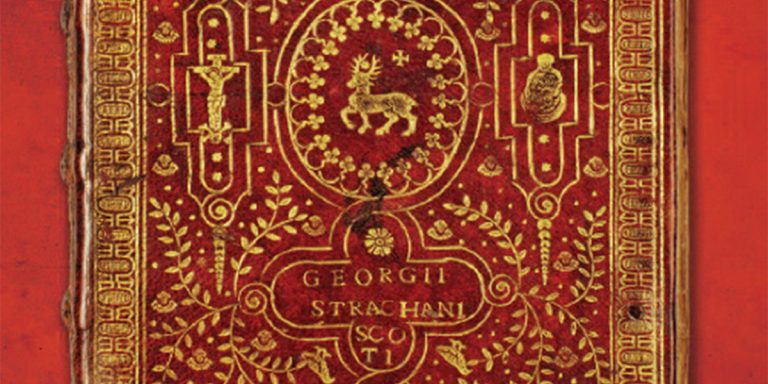
Biography is a dangerous genre for any historian. Inevitably it has to be set in the history of the subject’s…
Five Essentials of Muslim Preaching
To celebrate the release of Muslim Preaching in the Middle East and Beyond: Historical and Contemporary Case Studies, editors Simon…
Why has the EU been so obsessed with the Israeli–Arab conflict?

The past years have seen many commemorations in the Israeli–Arab conflict: 100 years since the Balfour Declaration (2017), seventy years…
What Is the Point of Literary Criticism?
Anglophone literary criticism has over the last decade engaged in a searching analysis and critique of its own methods. Perhaps surprisingly, much of that debate has considered *how* one should engage in literary interpretation—whether one should read closely or from a distance, interpret in a paranoid or reparative way, emphasize the work’s surface or depth, engage in “critique” or some other mode of attachment—and rather less *why*. But we might benefit from asking that question more openly: what, after all, is the point of literary criticism? Why does this practice merit the sustained intellectual energy so many scholars have devoted to it?
On translation and exegesis in the Zoroastrian religious tradition
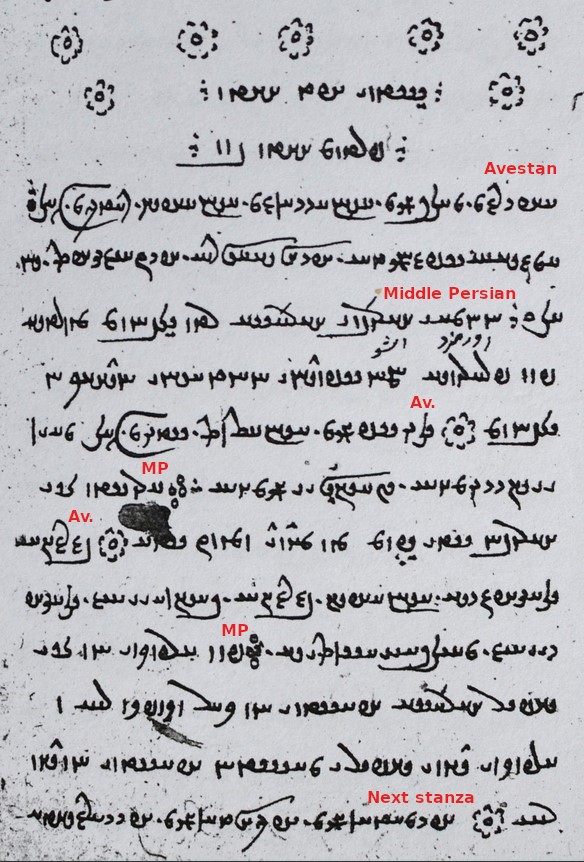
The oldest layers of the surviving Zoroastrian texts are in Avestan language and commonly dated to the middle of the second millennium BCE. Exact dates and circumstances of composition, however, remain uncertain, so that little is known about the socio-political context from which these texts emerged. After two millennia of oral transmission, the texts were finally committed to writing, at a time when the language must have no longer been in active use.