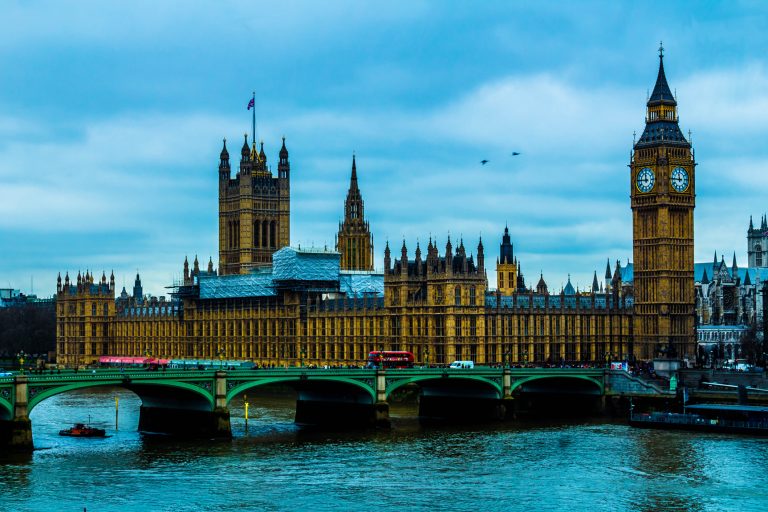
The Woman on Westminster Bridge
A woman walks across a bridge. She is looking at her mobile. She seems to be in a hurry. Close to her, a person lies injured on the pavement. Several people attend to the injured person. The woman is wearing…

A woman walks across a bridge. She is looking at her mobile. She seems to be in a hurry. Close to her, a person lies injured on the pavement. Several people attend to the injured person. The woman is wearing…

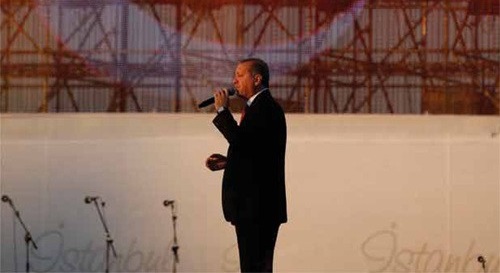
By Tahir Abbas Turkey is a beguiling country. It straddles one of the most important geopolitical fault lines in the world. Since the dismantling of the Ottoman Empire and the founding of the republican era, however, the nation has undergone…

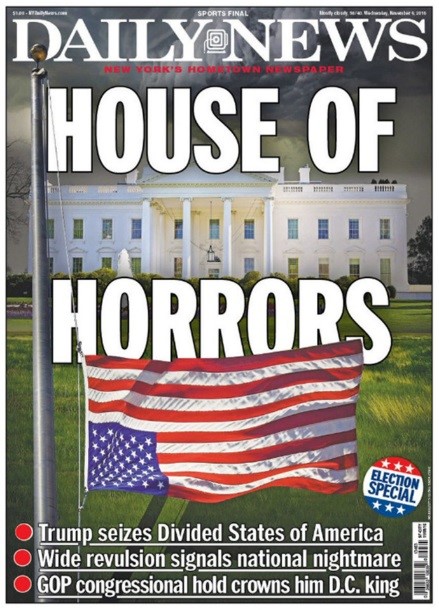
We stayed up all night to watch. When the polling returns came in, we had to pinch ourselves. Was it was a dream? Did Donald Trump actually win the presidential election? As scholars of United States history, politics, and culture,…

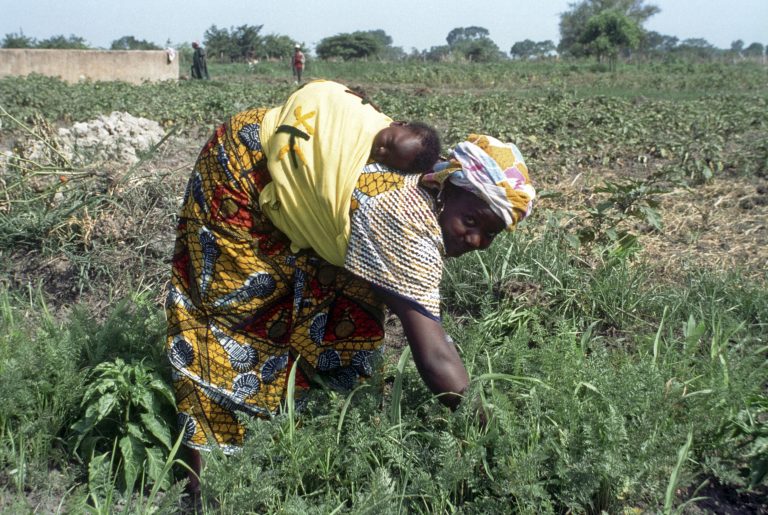
Meghan Campbell Despite a renewed global commitment to reduce extreme poverty and achieve gender equality, women throughout the world continue to disproportionately live in poverty. While the causes of women’s poverty are complex and inter-locking, the role of patriarchal cultural…

By Necati Polat Who are the Gülenists ostensibly behind the failed Turkey coup of last July, when, for the first time in Turkish history, soldiers led by a large cabal within the military did not hesitate to bomb the parliament and…

By J.N.C Hill The start of the Arab Spring has raised numerous searching questions about the study of the Maghreb. Scholars of the region are grappling with an intriguing and largely unacknowledged paradox: that the theory that arguably did most…

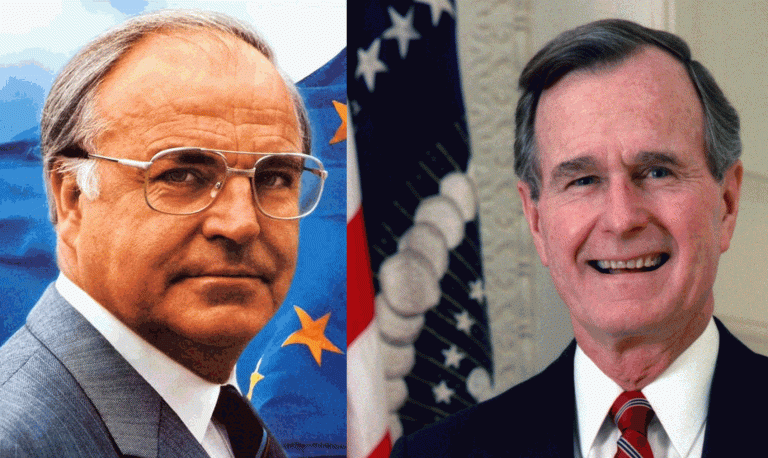
By Claire White In France, the turn of the millennium ushered in a bold, and controversial, act of legal reform that sought to reshape the French citizen’s working life: the introduction of a 35-hour working week. For many, the law…

In January 2016, a scandal broke out in the UK when the Times reported that asylum seekers’ homes could be identified by distinctive red doors, making them vulnerable to attacks. Coincidentally – but not where signs and the political are concerned – A Process Philosophy of Signs opens with an account of threatening identification on doors.

‘It is possible that one day I will no longer love you, and this possibility cannot be taken away from love – it belongs to it. It is against this possibility, but also with it, that the promise is made, the word given.’ – Jean-Luc Nancy