-
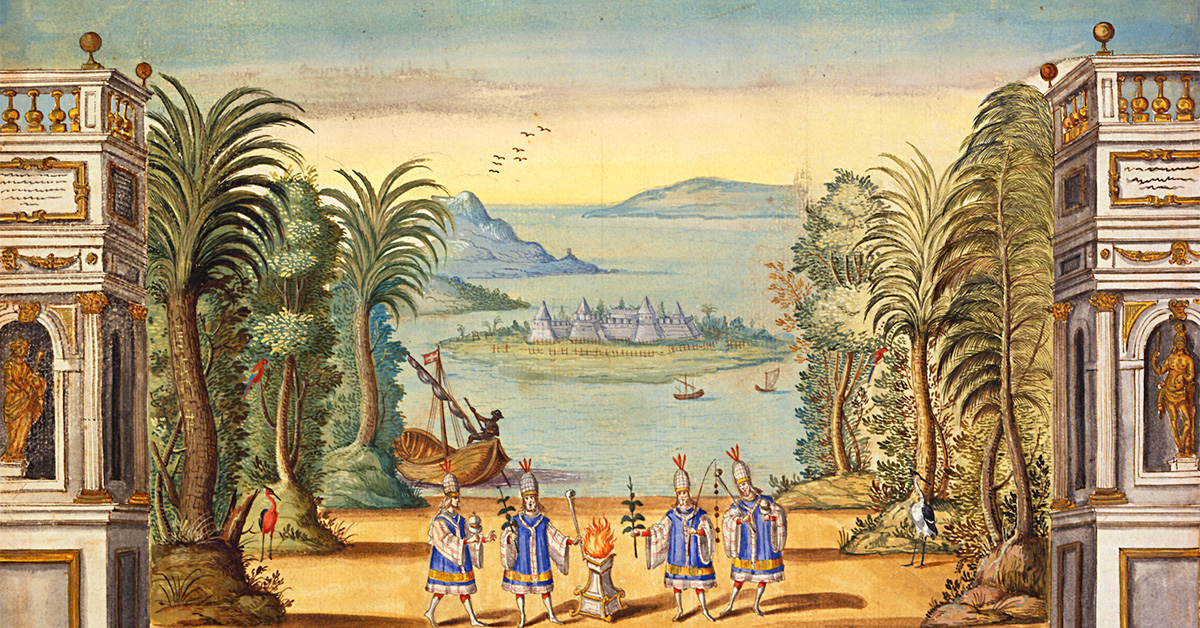
Q&A with the author of Performing Worlds at the Baroque Court of Christine of France
Read more: Q&A with the author of Performing Worlds at the Baroque Court of Christine of FranceThis interview explores how Christine of France used Baroque court spectacles to shape political authority, global imagination, and cultures of consumption.


Kenneth White on the Breton Coast (The Fundamental Field)
William Sharp evokes ‘those wild Breton coasts of the Tréguier headland’ with the ‘grey, muttering waste’ of the sea. Little did I realise, when I must have read these phrases at the age of 14 on a cliff overlooking the north end of the village of Fairlie, in Ayrshire, Scotland that years later I would be living in that self-same area.
Remembering Sarah Kofman in the 2020s?
By Jacob Bates-Firth Sarah Kofman and the Relief of Philosophy (ed. Bates-Firth and McKeane) is out now as a special issue of Paragraph, 44:1 (March 2021) and concurrently in book form with Edinburgh University Press. Backdrop When John and I began to…

Spinoza and democracy in peril
By Dan Taylor In October 2020, in the days leading up to the US Presidential Election, over 130 leading historians of fascism signed an open letter. They warned that democracy today is deeply imperilled. It is either ‘withering or in…
The world of Spinoza’s Theological–Political Treatise
By Dan Taylor Baruch Spinoza’s Theological–Political Treatise, published anonymously in 1670, quickly turned Europe upside-down. Dismissed by one contemporary as a book ‘forged in hell by the Devil himself’, it argued that for societies to endure conflict and flourish, they…
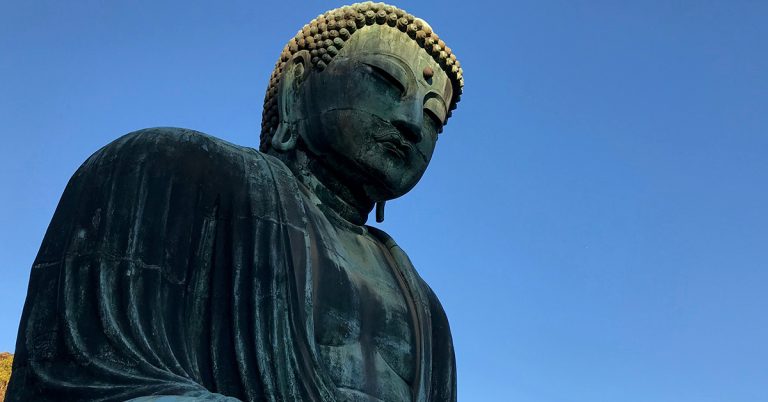
Buddhism and Cinematic Technicity-Consciousness
By Victor Fan ‘Cinematic Imaging and Imagining through the Lens of Buddhism’ (from the latest issue of Paragraph) is one of my ‘test drives’ for a longer and more substantial project that seeks to reconfigure film and media philosophy by…
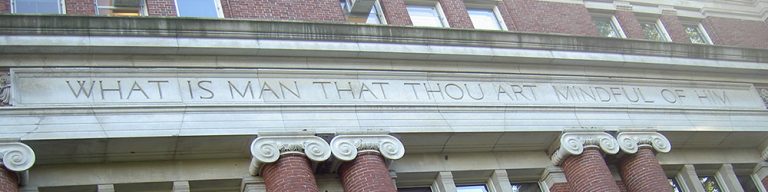
The missing drafts of Whitehead’s books
Until recently, few people suspected that the missing drafts for Alfred North Whitehead’s books might still exist – in the notes of his Harvard and Radcliffe lectures.

Aristotle and the Open Future
By Jason W. Carter How much do we know about the future? Some people think that we can know a lot about the future – even the distant future. We might now know, for instance, that a catastrophe caused by…
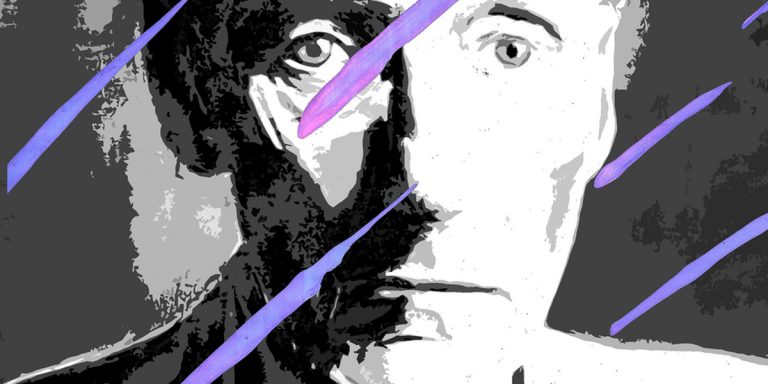
About William S. Burroughs
By Stanley Gontarski American outlier writer, William S. Burroughs, was a creative force, as a writer in his own right, and as a cultural theorist, particularly his anticipation of what we now regularly call “a society of control” or “a…

The myth of the selfless philosopher
By Enrico Galvagni There is a myth that spans the history of western thought: the myth of the selfless philosopher. True philosophers, the myth says, are ethereal creatures who dropped every trace of pride, egoism, and vainglory to devote their…