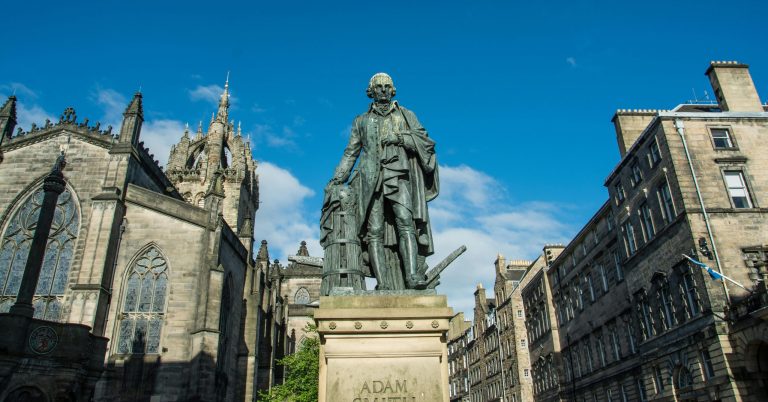
What the Scottish Enlightenment Can Teach Us about Science and Religion
Lewis Ashman explores how 18th century Scottish Enlightenment philosophers reconciled science with religious belief.


Lewis Ashman explores how 18th century Scottish Enlightenment philosophers reconciled science with religious belief.
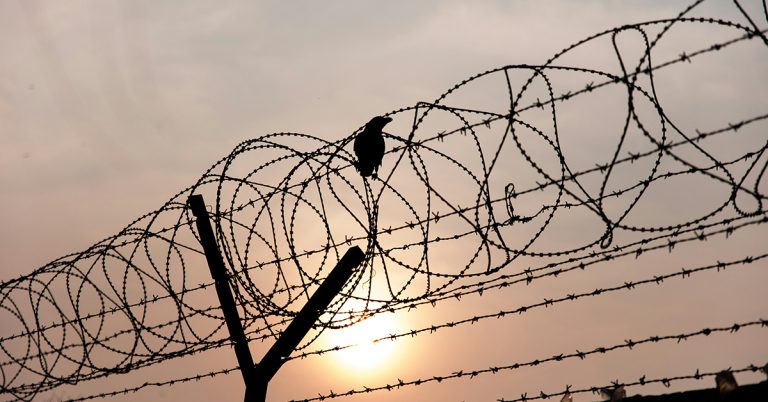
What does it mean to be state-less?
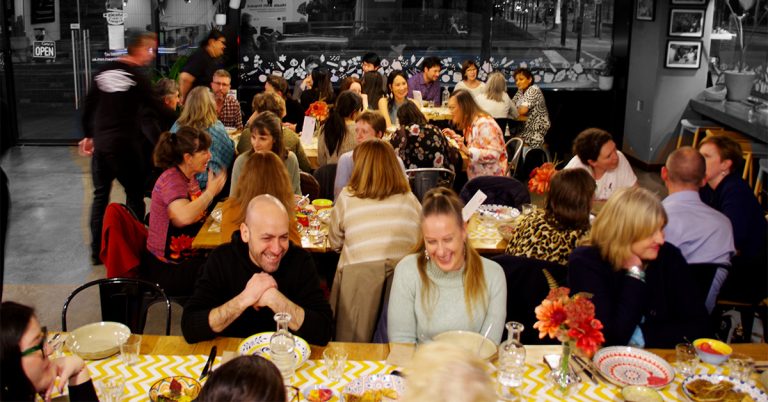
A Conversation with Dr. Elaine Pratley, author of Hungry for Peace

Is the role of prime minister too difficult to perform successfully?
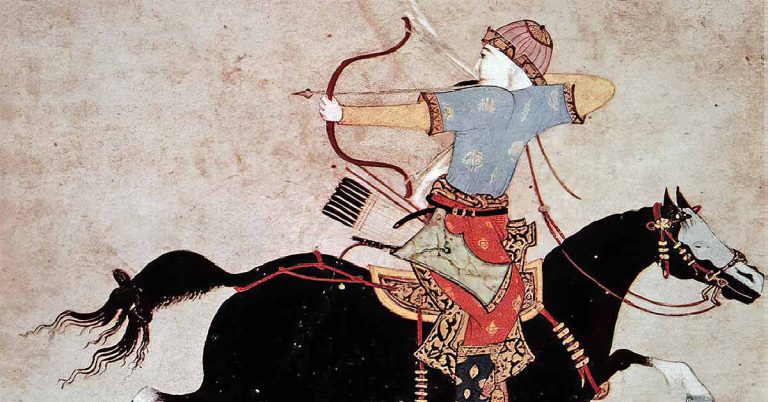
Henry Somers-Hall talks to Brent Adkins (author of the bestselling critical introduction and guide to A Thousand Plateaus) about his new book, Reading A Thousand Plateaus, which takes us even deeper into Deleuze and Guattari's masterwork.

Lindsay Paterson discusses Scotland’s educational decline and the social inequality of attainment.
Q&A with Lisa Strömbom, author of the book Agonistic Memory and Peace. Colombia, Northern Ireland and Israel-Palestine.
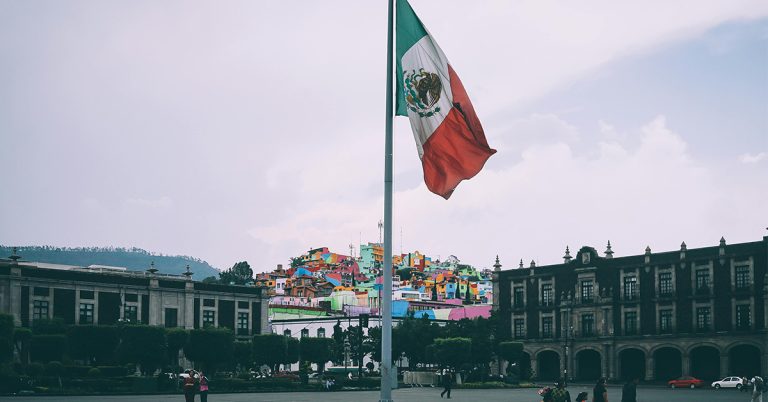
Understanding lynching as political does not excuse it. On the contrary, it sharpens the urgency of addressing it.

Patrick Valiquet asks why contemporary sound studies forgets the troubling moral and political aspects of Pierre Schaeffer’s experimental music research.