-
Henry Somers-Hall interviewed by Brent Adkins: Reading A Thousand Plateaus
Read more: Henry Somers-Hall interviewed by Brent Adkins: Reading A Thousand PlateausHenry Somers-Hall talks to Brent Adkins (author of the bestselling critical introduction and guide to A Thousand Plateaus) about his new book, Reading A Thousand Plateaus, which takes us even deeper into Deleuze and Guattari's masterwork.

Q&A with Mark Sandy, author of ‘Transatlantic Transformations of Romanticism’
Tell us a bit about Transatlantic Transformations of Romanticism Well, my book takes a fresh look at the literature of British Romanticism and its influence on twentieth- and twenty-first-century American literary culture and thought. It reads works of prose and…
The Classical Tradition in Modern American Fiction
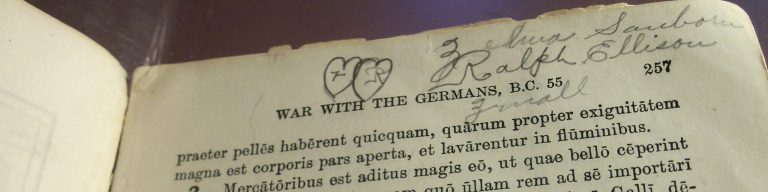
By Tessa Roynon In recent weeks, the U.S. Capitol in Washington D.C. has been much in the public eye. Whether stormed by President Trump’s supporters on 6th January, or as the “hallowed ground” that formed the backdrop to President Biden’s…

Divine Hiddenness in C.S. Lewis’s Till We Have Faces
By Derek King C. S. Lewis’s Till We Have Faces is a brilliant piece of fiction but also a mediation on an old problem called the problem of divine hiddenness. The problem of divine hiddenness refers to a lack in…

Writing Letters, Writing Lives: Dash & Lily and Born in Exile
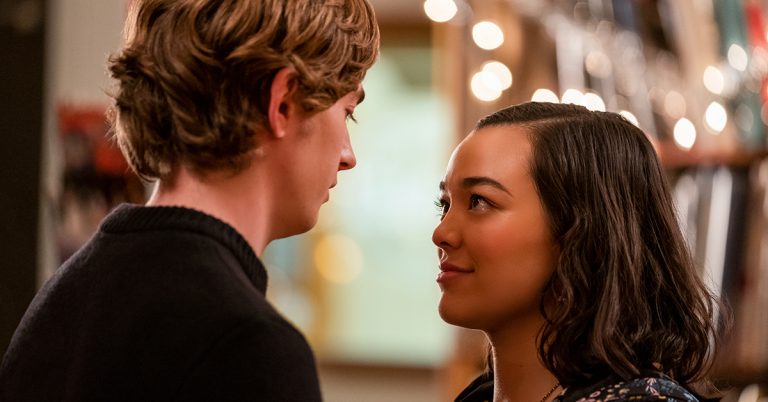
By Tom Ue Dash & Lily (2020-), Netflix’s charming new adaptation of Rachel Cohn’s and David Levithan’s popular YA series (2010-), has achieved an enviable 100% on Rotten Tomatoes, with critics lauding its performances, story, and festive mood. The first…

About William S. Burroughs
By Stanley Gontarski American outlier writer, William S. Burroughs, was a creative force, as a writer in his own right, and as a cultural theorist, particularly his anticipation of what we now regularly call “a society of control” or “a…

The Poisonous Flowers of H. Rider Haggard’s Cleopatra: Part Three
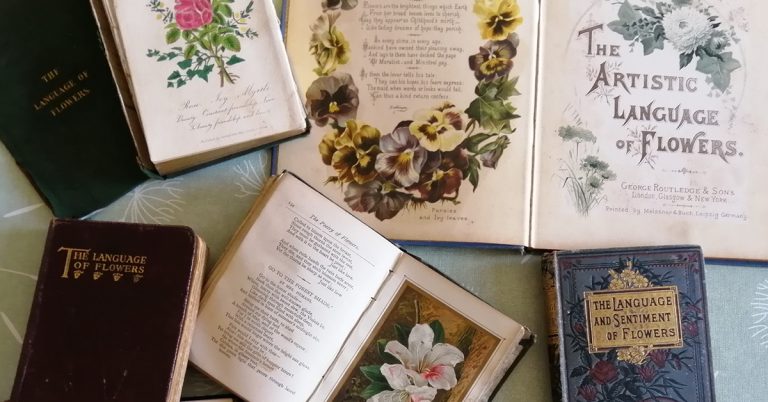
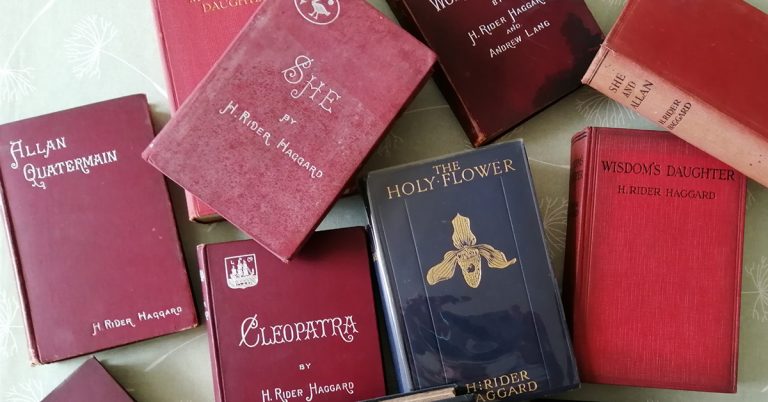
By Jemma Stewart Read Part 1 and Part 2 of this blog series. Rose Roses…have ever reigned as queens of flowers.[i] The rose bloomed in Ancient Egypt, as Jack Goody attests: Above all there was the hundred-petalled rose, which became…

The Poisonous Flowers of H. Rider Haggard’s Cleopatra: Part Two
By Jemma Stewart Read Part 1 of this blog series. Lotus And as the voice spoke, a cold hand touched my hand … As the light came back, I gazed upon that which had been left within my hand. It…

The Poisonous Flowers of H. Rider Haggard’s Cleopatra: Part One
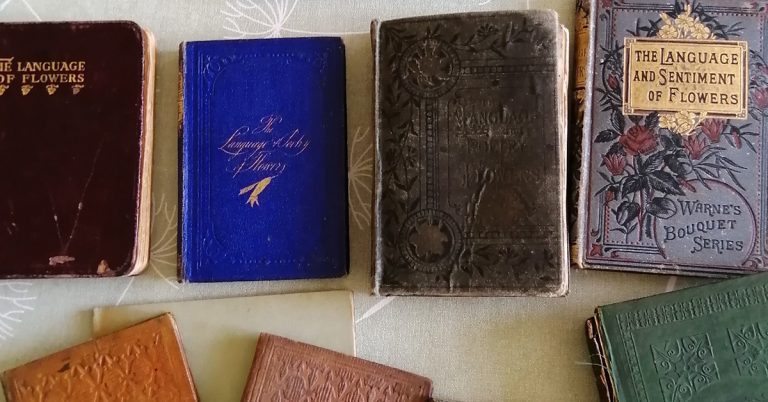
By Jemma Stewart H. Rider Haggard’s Gothic Garden In the Gothic Studies articles ‘Blooming Marvel’ and ‘She shook her heavy tresses’, I assess the ways in which floral symbolism (or floriography) in Bram Stoker’s Dracula (1897) and H. Rider Haggard’s…

Modernism and Lost Technology
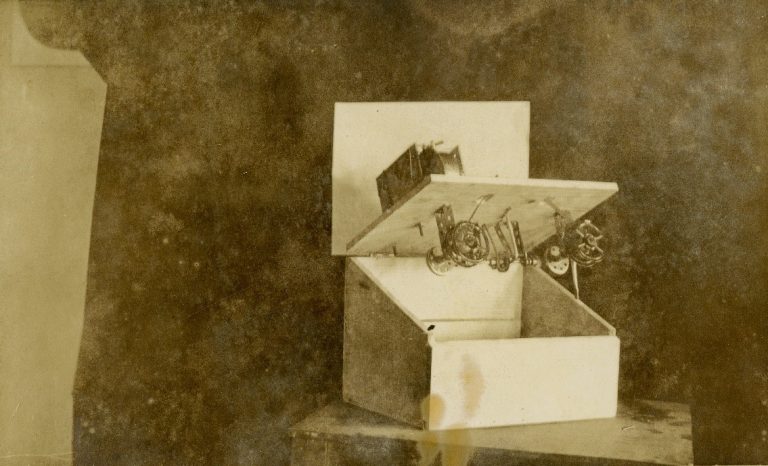
Poetry aficionados, media archaeologists and scholars of modernism might have heard of the ‘godfather of the e-reader’ Bob Brown, and his infamous ‘Reading Machine’ – but his wife Rose is an equally compelling figure. In fact, her story changes how we understand the connections between technological and literary innovation, and their capacity to promote social change, and with one exception, it has remained untold.