
An edited extract from an article by Alison Adburgham

Take a step back in time to discover a more civilised way of shopping – before flimsy fast fashion, Black Friday brawls and endless promotional emails – in this edited extract from ‘Shopping for Clothes in the 19th Century‘ by Alison Adburgham, published in Costume in 1967.
Clothes shopping in England at the beginning of the 19th Century was much as it had been throughout the the previous century. On market days in country towns, open stalls supplemented the shops kept by tradesmen and craftsmen who lived on their own shop premises. Any village larger than a hamlet had its own village shop, where haberdashery was combined with groceries. Most sizeable villages had their own shoemakers.
Itinerant trades: from carts to live-in craftspeople
Then there were the itinerant tradespeople. Some had carts; some, such as the travelling lace-man, carried their wares in a pack on their back. In some parts of the country, people called an itinerant draper the Scotch Draper, or Scotchman; in others, the talleyman (regardless of whether they were a man or a woman). Parson Woodeford wrote in his diary in 1801:
Nancy bought a new gown of Mrs. Batchelor of Reepham who travels about with a Cart.
The new gown would actually have been a length of material to make a gown. Even after ready-made clothes began to be sold, dress materials still were advertised at so much ‘the gown’ or ‘dress’. People spoke of buying a gown or a dress when what they had purchased was the material for making it.
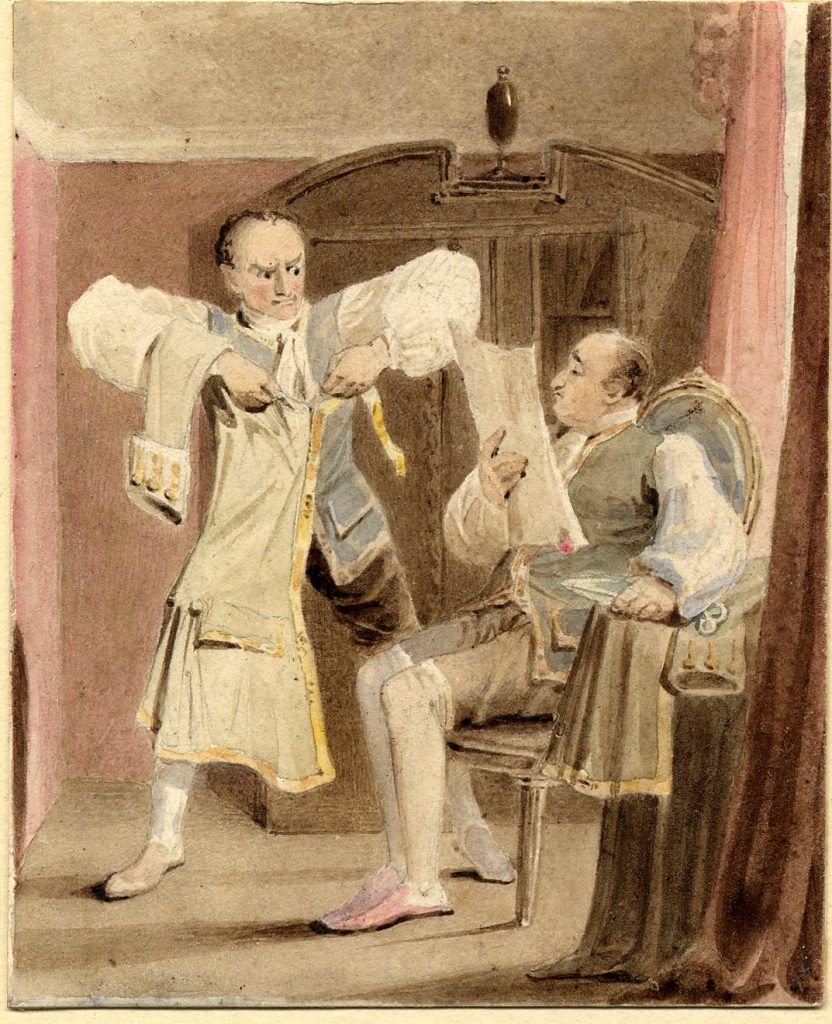
There were also itinerant weavers. They would set up their loom in your attic or barn and weave the linen that the ladies of the house had spun. Itinerant tailors were another type of freelance craftsman who worked on your premises until your order was completed. The village dressmaker usually worked in her own home. There were often freelance sewing women who would take up residence for two or three weeks at houses where there was no sewing maid on the staff. She would do household sewing and mending, make the children’s clothes and some of the ladies’.
Clothes shopping in 19th-century London
In London, at the beginning of the century, the City was still the chief shopping centre – particularly for the drapery trade. The very heart of the drapery trade, wholesale and retail, was St. Paul’s Churchyard. Ludgate Hill, Fleet Street, the Strand and St. James’s were famed for gentlemen’s tailors, outfitters and hatters. Bond Street was almost exclusively a gentleman’s province, with hotels, apartments and shops specialising in the expensive accessories of men of fashion. Even in London, much clothes shopping took place at open market stalls, which catered to a great part of the men’s outfitting trade. The same was true of quite a bit of the cheaper drapery and haberdashery.
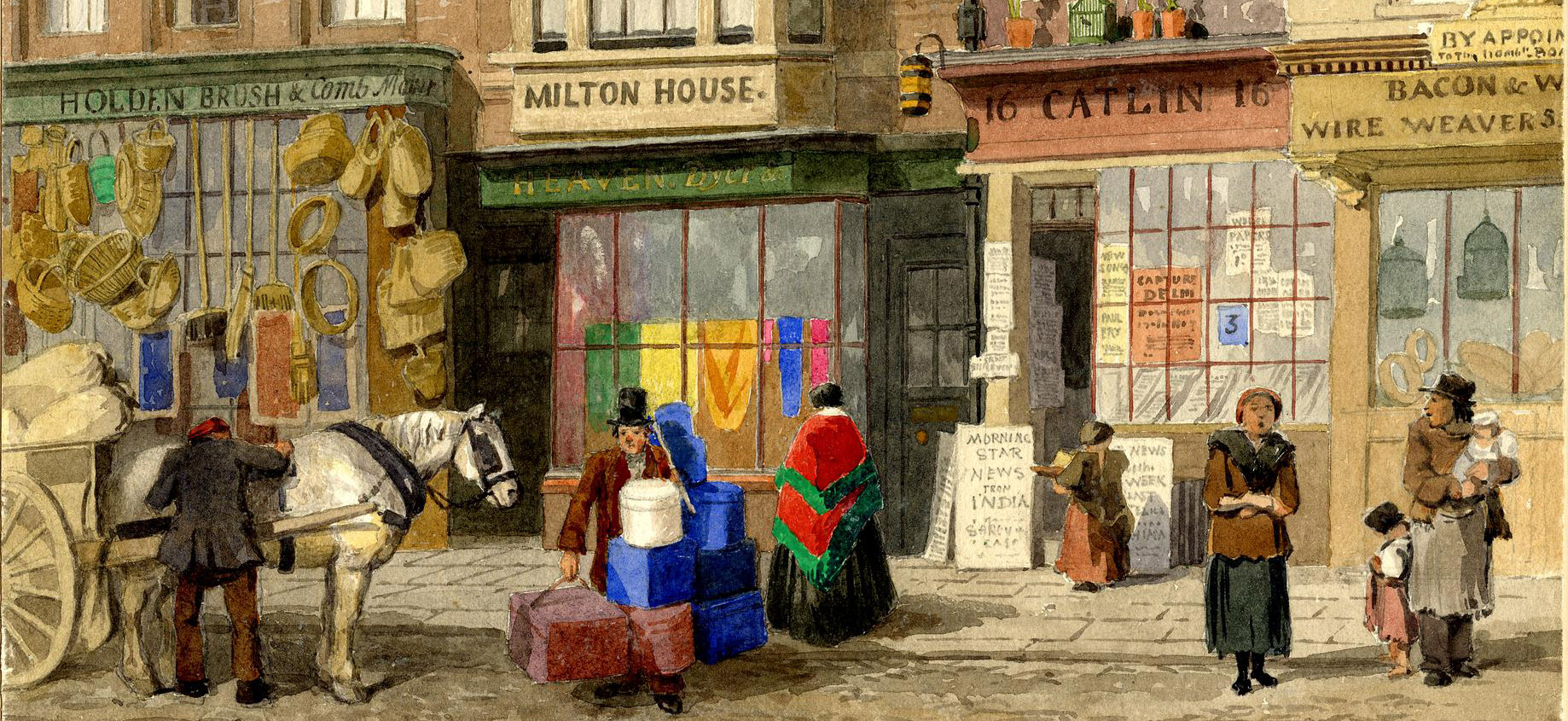
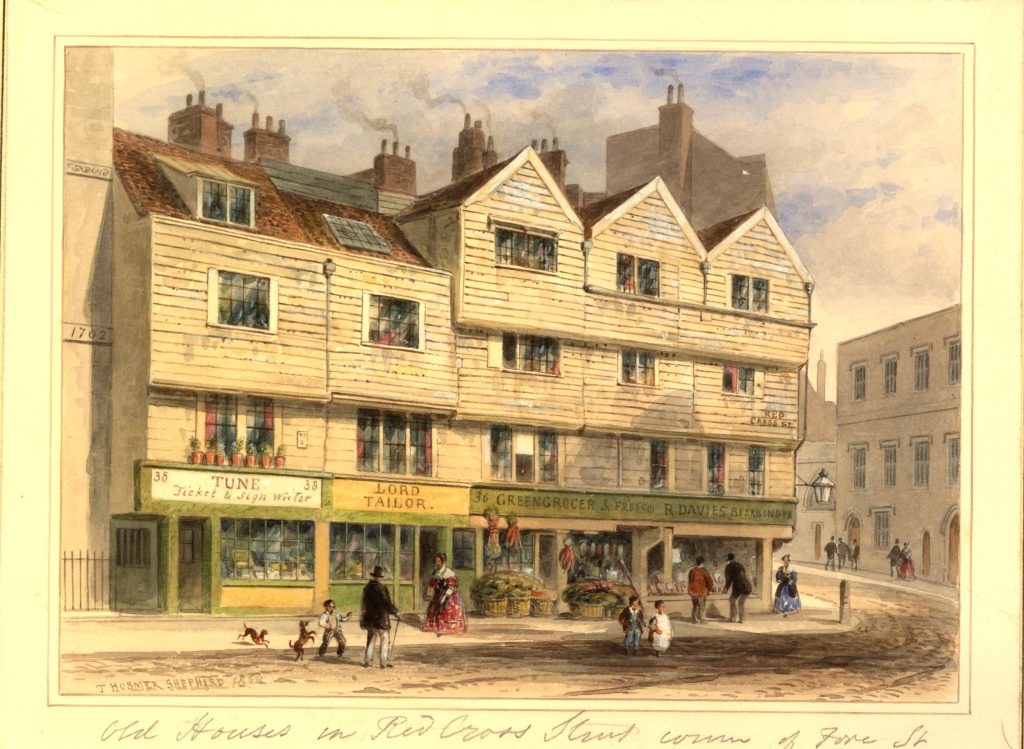
Generally speaking, shops still specialised in one type of merchandise only. Shops were small and owner-occupied. The shopkeeper would live on the premises with his family, with the apprentices sleeping under the counter at night. They would take down the shutters when they got up in the early morning. The shop was open to customers until the shopkeeper went to bed. The shopkeeper was very often a craftsman, who made the goods he sold. For example, the shoemaker, fan-maker, furrier, umbrella maker. His shop was called a manufactory, indicating that the goods were made on the premises by hand.
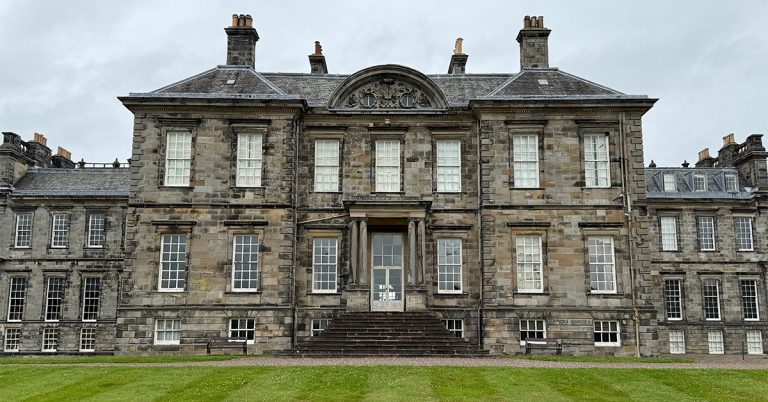
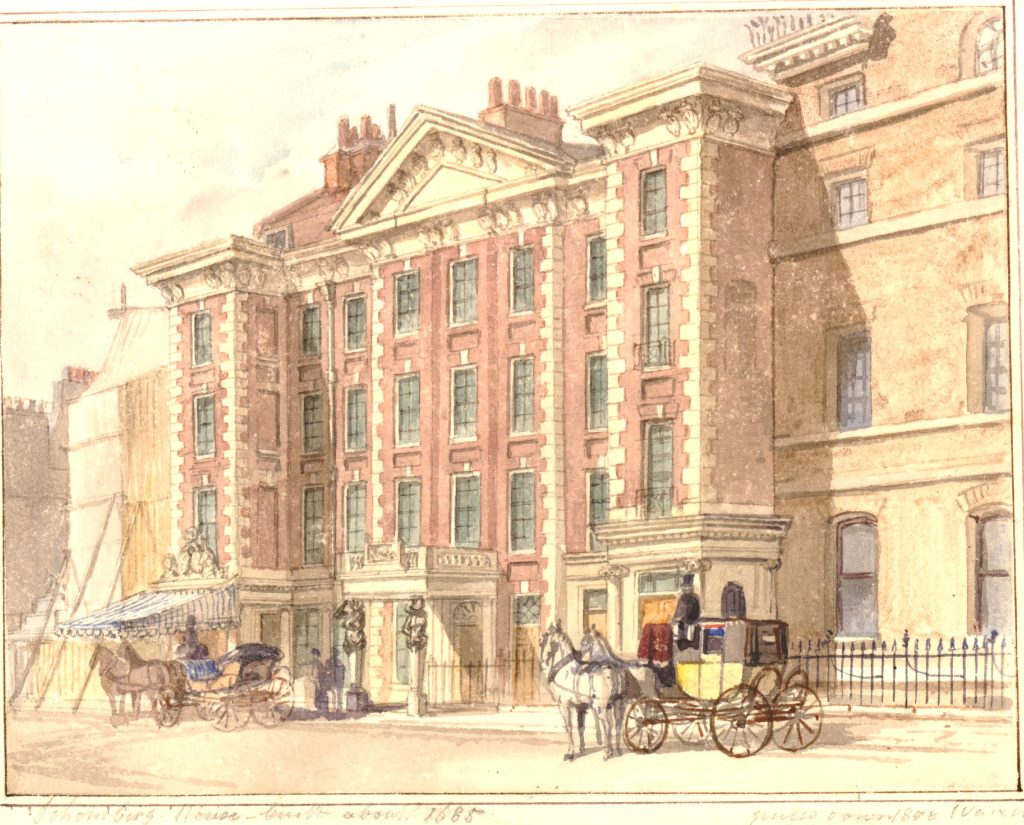
In Pall Mall, the firm of Hardy Howell opened an establishment at Schomberg House in 1784. In the early years of the 19th century, they were dealing not only in drapery and millinery, but also in furnishings, jewellery and clocks. It was exceptional to stock such a variety of goods. A large shop that stocked goods not made on the premises was called a warehouse. Very different from the modern meaning of manufactory and warehouse.
Import and export
There was at this time no very clear definition between wholesale and retail. London shopkeepers would sell at trade prices to country drapers, dressmakers and milliners. The prestige of London fashion goods was such that provincial shopkeepers would come immense distances to buy fashion goods. Browns of Chester have records of the time when they were just a little haberdashery shop kept by two sisters, Susannah and Elizabeth Towsey. The Towsey sisters sent their forewoman (today we would call her a buyer) to London regularly – a six-day journey by coach – to select their stock.
In London itself, of course, fashion goods from Europe were then – as now, indeed – the ultimate prestige symbol. London lacemen would travel to Brussels and all the famous lace-making districts on the Continent. Silk mercers would travel to Lyons; milliners to Paris and to Milan for bonnets, feathers, ribbons, artificial flowers and gloves.
The gracious days of clothes shopping
The gracious days of clothes shopping lasted right through the 19th century. A pensioner of Dickins & Jones recalled shopping in the year 1900:
All the elite arriving in carriage and pairs, cabs, etc. were attended by commissionaires and page boys on every door in their white gloves. Flowers in season over all the windows.
Call it service, or call it servility, the ‘Serving Through’ system still obtained in all high-class stores right up till 1914. The commissionaire to open the door of your cab or carriage; the impressive gentleman inside the main door in his morning coat, who summoned a shop-walker to escort you to the counter you required and place a chair for you to sit on… And of course, the pantomime in reverse to see you out of the shop and into your carriage.
You might also like
More Than Just Shade: 3 Surprising Stories About the 19th-Century Parasol
What embroidery can tell us about sustainable fashion
Image credits
Featured Image: ‘Milton’s House, Barbican‘. © The Trustees of the British Museum. Shared under a Creative Commons Attribution-NonCommercial-ShareAlike 4.0 International (CC BY-NC-SA 4.0) licence.
- ‘Old houses in Red Cross Street corner of Fore Street’. © The Trustees of the British Museum. Shared under a Creative Commons Attribution-NonCommercial-ShareAlike 4.0 International (CC BY-NC-SA 4.0) licence.
- ‘Gentleman at a fitting with his tailor’. © The Trustees of the British Museum. Shared under a Creative Commons Attribution-NonCommercial-ShareAlike 4.0 International (CC BY-NC-SA 4.0) licence.
- ‘Schomberg House, built about 1685’. © The Trustees of the British Museum. Shared under a Creative Commons Attribution-NonCommercial-ShareAlike 4.0 International (CC BY-NC-SA 4.0) licence.
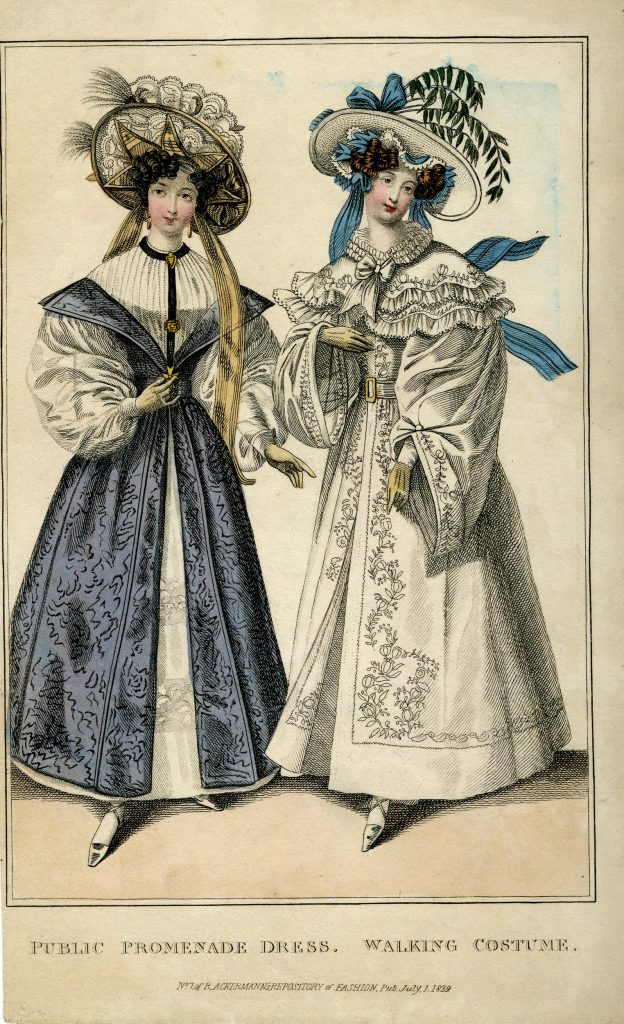
- ‘Public Promenade Dress. Walking Costume’. © The Trustees of the British Museum. Shared under a Creative Commons Attribution-NonCommercial-ShareAlike 4.0 International (CC BY-NC-SA 4.0) licence.
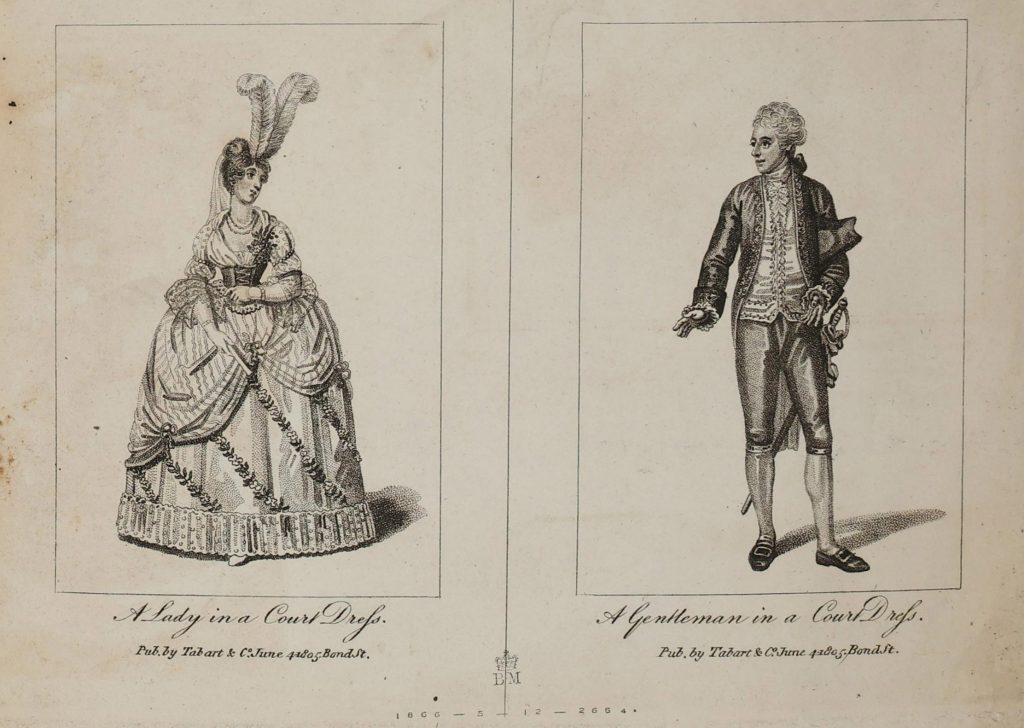
- ‘A lady in a court dress / A gentleman in a court dress’. © The Trustees of the British Museum. Shared under a Creative Commons Attribution-NonCommercial-ShareAlike 4.0 International (CC BY-NC-SA 4.0) licence.