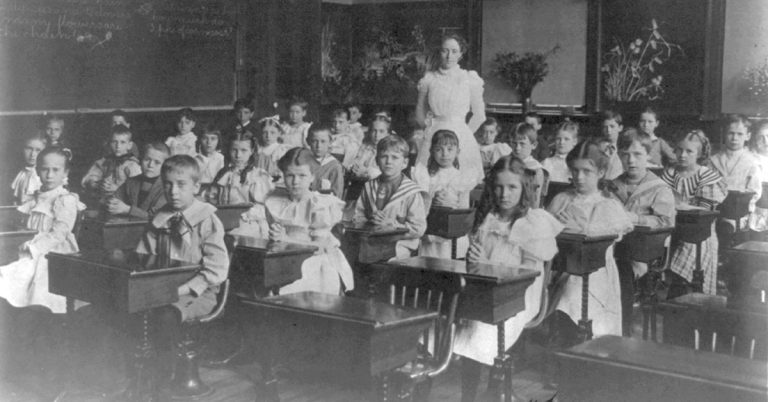
Structural Bias, Education Reform, and Victorian Women’s Poetry
How did nineteenth-century British school textbooks help to institutionalise gender bias and erase women poets from literary history?


How did nineteenth-century British school textbooks help to institutionalise gender bias and erase women poets from literary history?

This blog rethinks repetition in literature, showing how repeated forms can generate innovation, disrupt meaning, and reshape poetic practice.
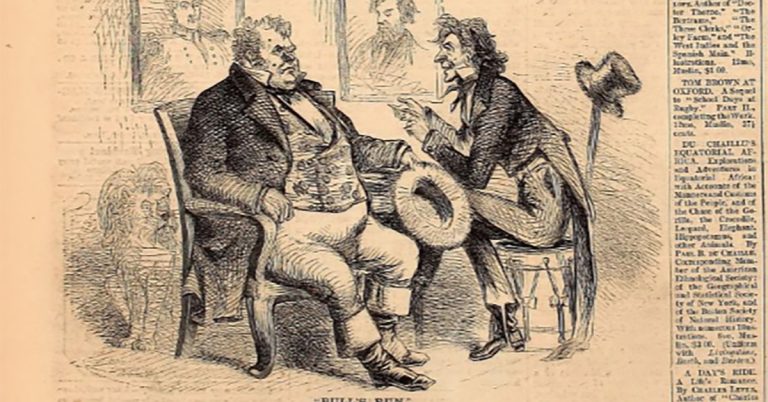
This interview explores how John Bull became a literary and political figure in Victorian newspaper poetry during the American Civil War and the Cotton Famine.
Séan Kennedy and Joseph Valente, editors of Irish Shame, explore the intricate relationship between empathy and shame in this blog.
Adapting or recasting the formal experiments of their modernist forebears...Here is a brief tour of five places where modernism survived well into the second half of the twentieth century.
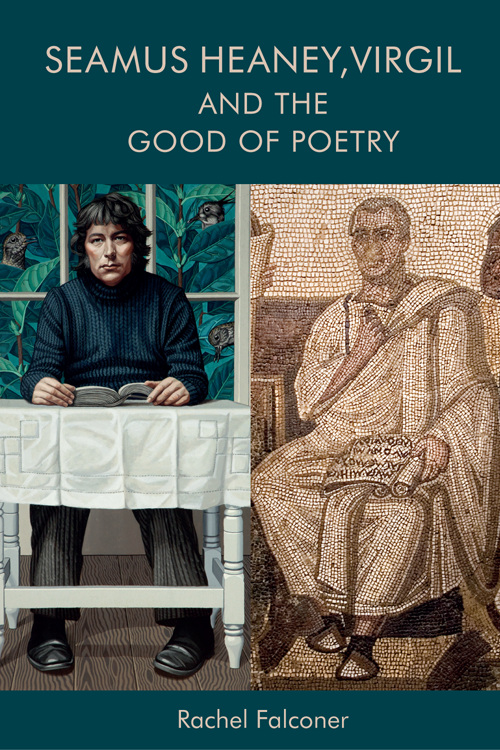
The work and life of Seamus Heaney (1939-2013) were, in Bill Clinton’s words, a gift to the world: ‘His mind, heart, and his uniquely Irish gift for language made him our finest poet of the rhythms of ordinary lives.’
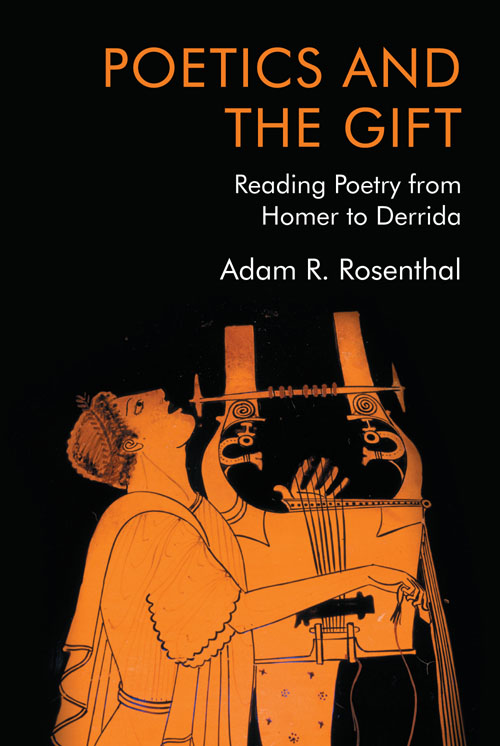
"The gift—what we call “the gift” and “giving”—appears to have at least two distinct functions, and one would be hard pressed to decide between them."
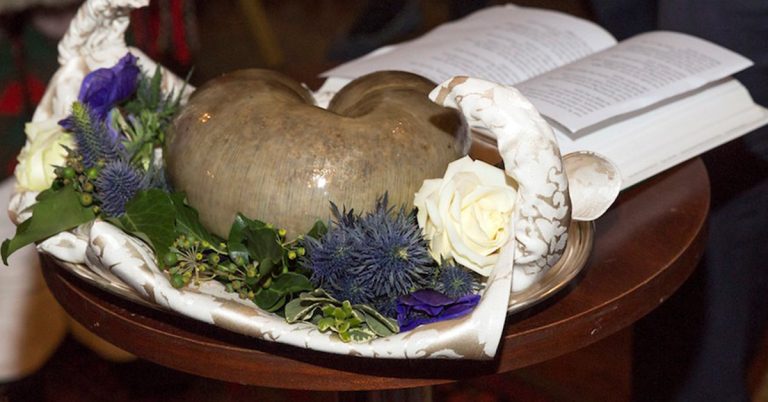
By Dr Paul Malgrati Over the past 220 years, the Burns Supper has become the quintessential festival of Scottish culture, identity, and gastronomy. Who would have thought, back in 1801 as nine admirers of Robert Burns held a private memorial…

By the Editors & Reviews Editor, the Burns Chronicle Almost 130 years ago, in 1892, enthusiasts started publishing the Burns Chronicle and the journal has continued ever since, conveying articles of interest and news among Burns Clubs and admirers of…