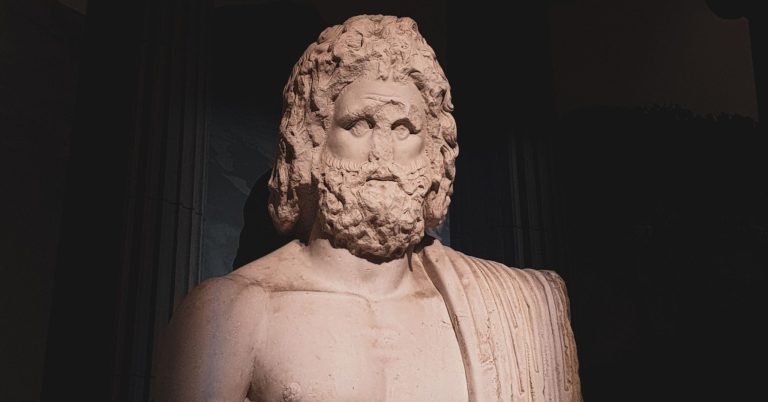
The Odyssey and Existentialist Anti-Adventure
Christopher Nolan’s The Odyssey (2026) provides an interesting launching point for discussing recent developments in existentialist film-philosophy.


Christopher Nolan’s The Odyssey (2026) provides an interesting launching point for discussing recent developments in existentialist film-philosophy.
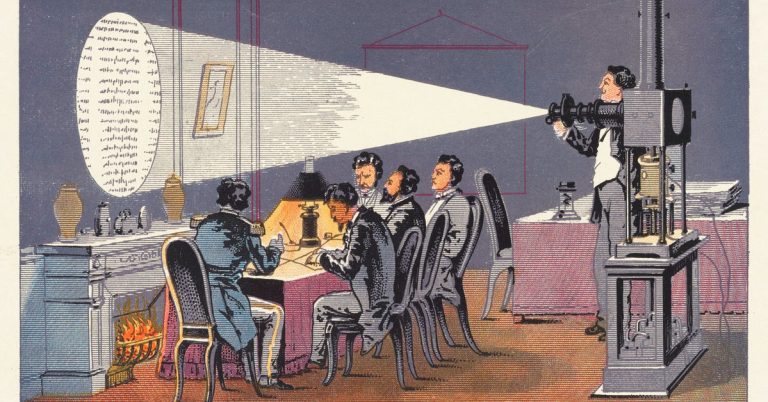
Madeleine Chalmers reveals how French philosophy, literature and theology have shaped technological thought.
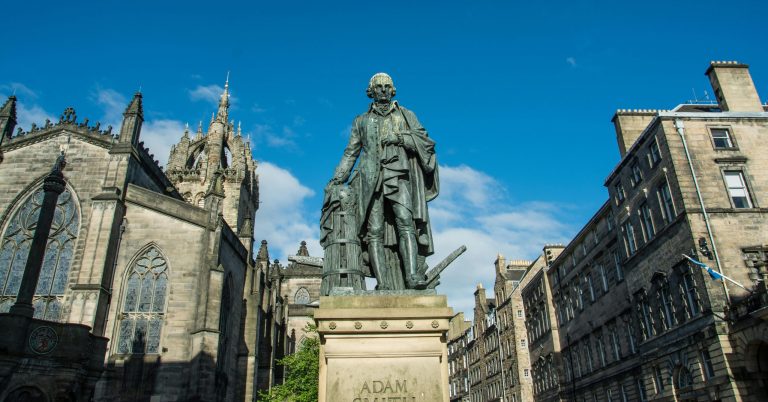
Lewis Ashman explores how 18th century Scottish Enlightenment philosophers reconciled science with religious belief.
Henry Somers-Hall talks to Brent Adkins (author of the bestselling critical introduction and guide to A Thousand Plateaus) about his new book, Reading A Thousand Plateaus, which takes us even deeper into Deleuze and Guattari's masterwork.
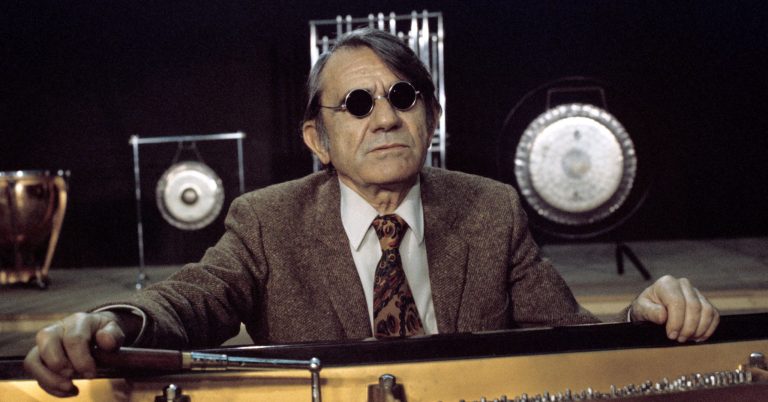
Patrick Valiquet asks why contemporary sound studies forgets the troubling moral and political aspects of Pierre Schaeffer’s experimental music research.
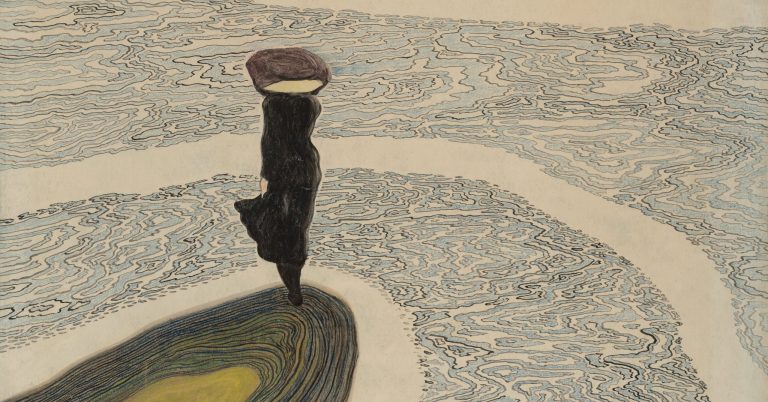
Henri Bergson's philosophy reveals time as a continuous and interconnected melody.
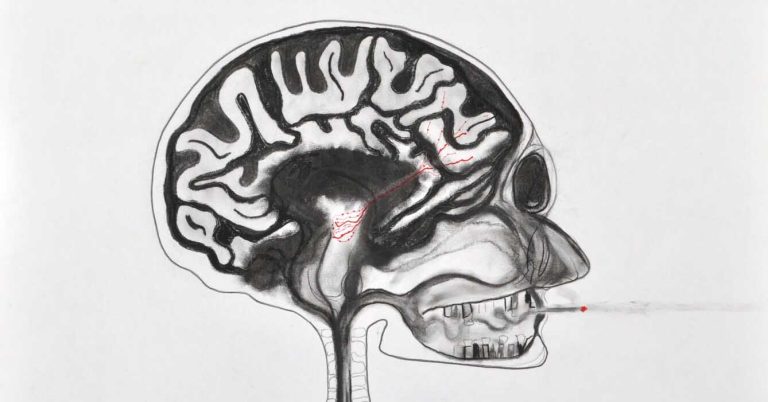
Q&A with Benjamin Dalton about his new book, which journeys through philosophy, literature, film and (neuro)science to discover how our bodies and brains transform throughout life.

Rosi Braidotti explores how Deleuze's ideas foster a non-traditional and nomadic approach to philosophy that emphasises empowerment, multiplicity and a feminist perspective.

Charles J. Stivale explores what constitutes a 'moment' amid a resurgence of Deleuze's work.