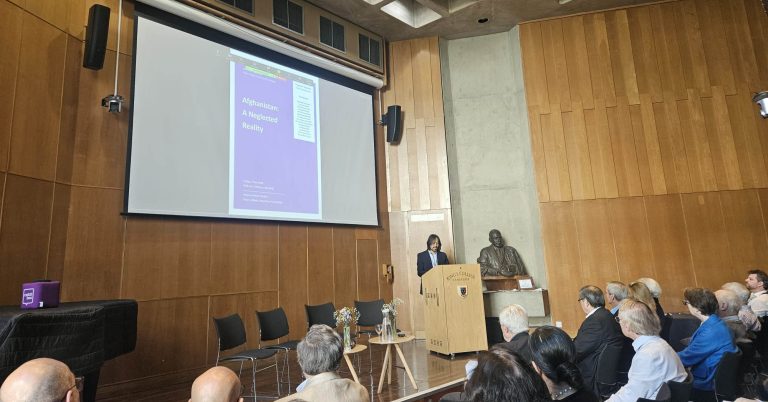
8 tips on turning your workshop into a special issue
The guest editors of the new special issue of the Afghanistan journal share eight practical steps for turning a workshop or conference into a successful special issue.


The guest editors of the new special issue of the Afghanistan journal share eight practical steps for turning a workshop or conference into a successful special issue.

The editors of Philosophy, Politics and Critique reflect on the contested meanings of the terms which give the journal its name.
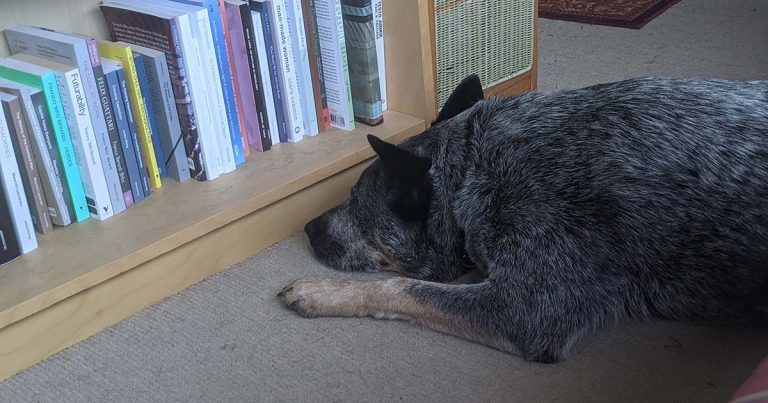
Ian Buchanan responds to Donna Haraway's reading of Deleuze and Guattari on the notion of becoming-animal
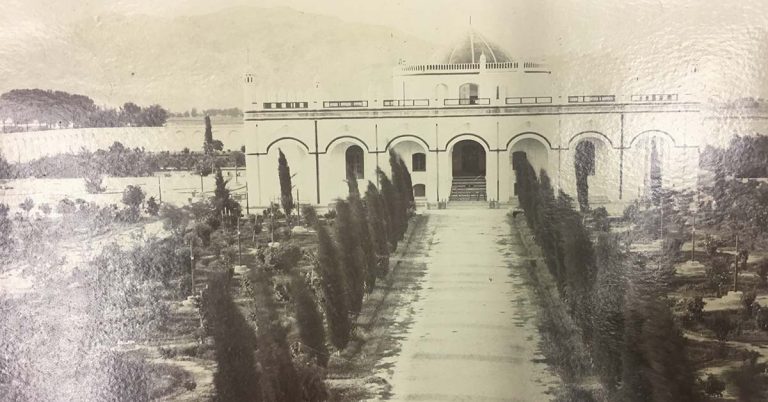
How does the telegraph function as both a material invention and an object of desire?
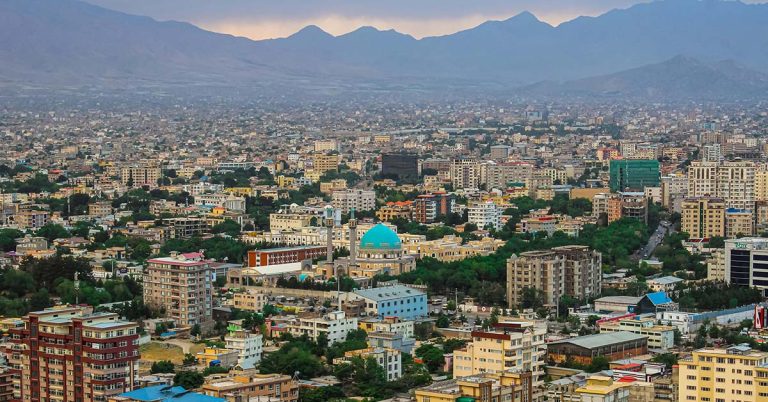
On the third anniversary of the seizure of Kabul, Robert D. Crews asks how we make sense of the Taliban takeover in Afghanistan.
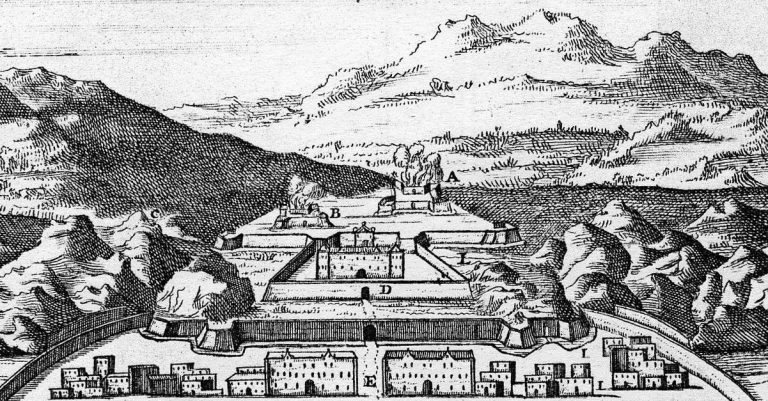
What happens when we view supernatural happenings as a wellspring of historical possibilities, rather than as excess to be cut away?
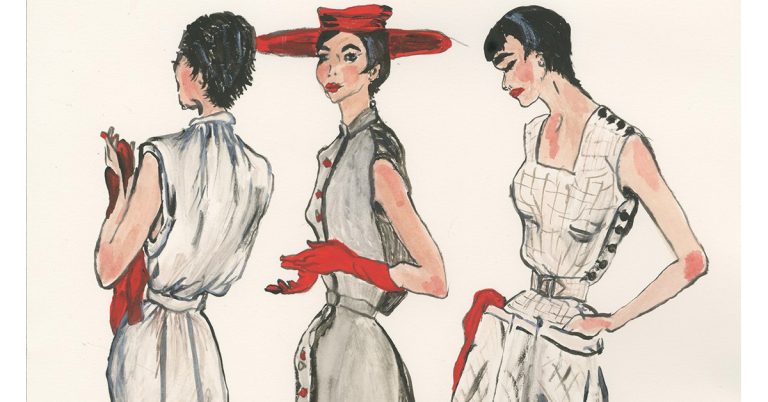
Patrick ffrench and Timothy Mathews discuss the special issue of CounterText they've recently edited.
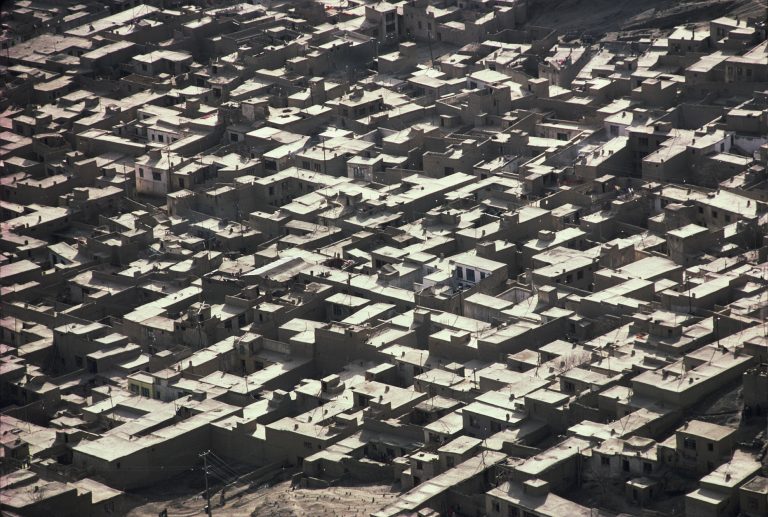
It is a pleasure to see the launch of the first issue of Afghanistan, a journal to showcase the country’s exceptional cultural diversity. It is the first scholarly journal devoted to the country since the demise of Afghan Studies in…
Certain works of literature call especially clearly for a comparative approach, through reference to other works or through establishing comparative structures such as parallel plots. Collectively, these works can be denoted by the noun phrase “comparative literature”. In our featured…