

Skip to content
  • Cultural Studies
    • French Studies
    • Gender Studies
    • Irish Studies
    • Film and TV
    • Theatre and Dance
    • Islamic and Middle Eastern Studies
  • History
    • British History
    • Classics and Ancient History
    • Cultural History
    • Natural History
    • Religious History
    • Scottish History
    • World History
  • Language and Literature
    • Modernism
    • Literary Theory
    • Pre 19th Century Literary Studies
    • Post 19th Century Literary Studies
    • Scottish Literature
    • Atlantic Literature
    • Linguistics
  • Law
    • Comparative Law
    • European Law
    • Islamic Law
    • Roman Law
    • Scots Law
  • Politics, Philosophy and Religion
    • Religion
    • Philosophy
    • Politics
    • Political Philosophy
    • Scottish Politics
    • Film Philosophy
  • Publishing

  • About Us
  • Journals
  • Books
  • SUBSCRIBE TO OUR BLOG
Edinburgh University Press Blog

No results
  • Cultural Studies
    • French Studies
    • Gender Studies
    • Irish Studies
    • Film and TV
    • Theatre and Dance
    • Islamic and Middle Eastern Studies
  • History
    • British History
    • Classics and Ancient History
    • Cultural History
    • Natural History
    • Religious History
    • Scottish History
    • World History
  • Language and Literature
    • Modernism
    • Literary Theory
    • Pre 19th Century Literary Studies
    • Post 19th Century Literary Studies
    • Scottish Literature
    • Atlantic Literature
    • Linguistics
  • Law
    • Comparative Law
    • European Law
    • Islamic Law
    • Roman Law
    • Scots Law
  • Politics, Philosophy and Religion
    • Religion
    • Philosophy
    • Politics
    • Political Philosophy
    • Scottish Politics
    • Film Philosophy
  • Publishing
  • Shame in Contemporary You-Narration: Q&A with the author

    Denise Wong discusses Shame in Contemporary You-Narration, exploring second-person storytelling, shame, temporality, and narrative experimentation across literature and media.

    February 11, 2026
    Read more: Shame in Contemporary You-Narration: Q&A with the author

A photo of actress Michaela Coel standing against a gold background

5 Contemporary Comedies by Working-Class Women You Need to Watch

by Laura Minor Following the success of several working-class women who have created original comedy series in the UK, such as Carla Lane, Victoria Wood, Kay Mellor, and Caroline Aherne, the 2010s (and onwards) have seen an increase in working-class…

  • Edinburgh University Press
  • April 11, 2023

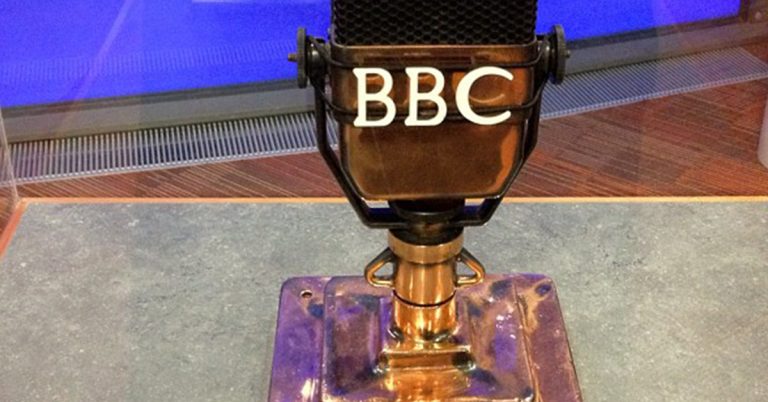
The War against the BBC, Part Two: Vox Populi or Voice of the Press?

By Julian Petley Note from the editors of Journal of British Cinema and Television: Given the current state of culture war, the Journal of British Cinema and Television is extremely keen to encourage further discussion of the sort of topics covered in this…

  • Teri Williams
  • December 3, 2020

The War against the BBC, Part One: Fear and Loathing of Saturday Live

By Julian Petley Note from the editors of Journal of British Cinema and Television: Given the current state of culture war, the Journal of British Cinema and Television is extremely keen to encourage further discussion of the sort of topics covered in this…

  • Teri Williams
  • December 2, 2020
Tim Heath

Negotiating Theory and Practice in Television Production Hierarchy: Mumble-gate

Sunday 19th of February 2017 saw the launch of the BBC’s most recent big budget television drama SS-GB, a dystopian vision of Britain under Nazi occupation. With it, came the re-ignition of the debate surrounding mumbling actors and unintelligible dialogue…

  • Teri Williams
  • February 24, 2017

A Tale of Two Kens: Drama, documentary and the subversion of the status quo

By John Hill My interest in writing about the work of the film and television director Ken Russell partly derived from writing about another Ken in my book, Ken Loach: the Politics of Film and Television (2014). The two Kens…

  • eupjournalsblog
  • November 2, 2015

Popular Posts

Shame in Contemporary You-Narration: Q&A with the author

A sepia-toned 18th-century printed broadside titled “TRANSPORTED FOR SEDITION.” The design features ornate borders and three oval engravings of men in period clothing holding papers. Text around the portraits names individuals convicted of sedition and sentenced to transportation (penal exile), including references to courts and dates in the early 1800s. The overall style is decorative and historical, resembling a political or legal proclamation from Britain.

The Scottish Martyrs and the antagonisms between Scots Law and British penal practice

Stone statue viewed from behind beneath tall Gothic arches and dark stone columns, framing a bright blue sky with clouds

The Future of Scottish Higher Education

5 Things You Didn’t Know about Milton and Disability

Emperor Justinian and court officials in a colourful mosaic, Gothic soldiers on the left side.

Barbarians as the Religious Other in the Late Roman World: Q&A with the author

Subscribe To Blog Via Email

Enter your email address to subscribe to this blog and receive notifications of new posts by email.

Copyright © 2026 - Edinburgh University Press | All Right Reserved. | Privacy Policy