Skip to content
  • Cultural Studies
    • French Studies
    • Gender Studies
    • Irish Studies
    • Film and TV
    • Theatre and Dance
    • Islamic and Middle Eastern Studies
  • History
    • British History
    • Classics and Ancient History
    • Cultural History
    • Natural History
    • Religious History
    • Scottish History
    • World History
  • Language and Literature
    • Modernism
    • Literary Theory
    • Pre 19th Century Literary Studies
    • Post 19th Century Literary Studies
    • Scottish Literature
    • Atlantic Literature
    • Linguistics
  • Law
    • Comparative Law
    • European Law
    • Islamic Law
    • Roman Law
    • Scots Law
  • Politics, Philosophy and Religion
    • Religion
    • Philosophy
    • Politics
    • Political Philosophy
    • Scottish Politics
    • Film Philosophy
  • Publishing

  • About Us
  • Journals
  • Books
  • SUBSCRIBE TO OUR BLOG
Edinburgh University Press Blog

No results
  • Cultural Studies
    • French Studies
    • Gender Studies
    • Irish Studies
    • Film and TV
    • Theatre and Dance
    • Islamic and Middle Eastern Studies
  • History
    • British History
    • Classics and Ancient History
    • Cultural History
    • Natural History
    • Religious History
    • Scottish History
    • World History
  • Language and Literature
    • Modernism
    • Literary Theory
    • Pre 19th Century Literary Studies
    • Post 19th Century Literary Studies
    • Scottish Literature
    • Atlantic Literature
    • Linguistics
  • Law
    • Comparative Law
    • European Law
    • Islamic Law
    • Roman Law
    • Scots Law
  • Politics, Philosophy and Religion
    • Religion
    • Philosophy
    • Politics
    • Political Philosophy
    • Scottish Politics
    • Film Philosophy
  • Publishing
  • Shame in Contemporary You-Narration: Q&A with the author

    Denise Wong discusses Shame in Contemporary You-Narration, exploring second-person storytelling, shame, temporality, and narrative experimentation across literature and media.

    February 11, 2026
    Read more: Shame in Contemporary You-Narration: Q&A with the author

Ninteenth-Century Local Governance in Ottoman Bulgaria

Nineteenth-Century Local Governance in Ottoman Bulgaria
  • Islamic and Middle Eastern Studies / Islamic Law / Religious History / World History

An account of how bureaucratic procedures created the space for political conflict and slander in nineteenth-century Ottoman Bulgaria and what…

  • ByEmma at EUP
  • OnJuly 9, 2018

Walter Scott the “mighty minstrel” and Marmion

  • Language and Literature / Pre 19th Century Literary Studies / Scottish Literature

Walter Scott’s poetry dominated the early years of the nineteenth century but has subsequently fallen into relative obscurity. The first…

  • ByCarla Hepburn
  • OnJuly 3, 2018

You Don’t Know Jacques: Speculative Realism, New Materialism, and the Denial of Deconstruction

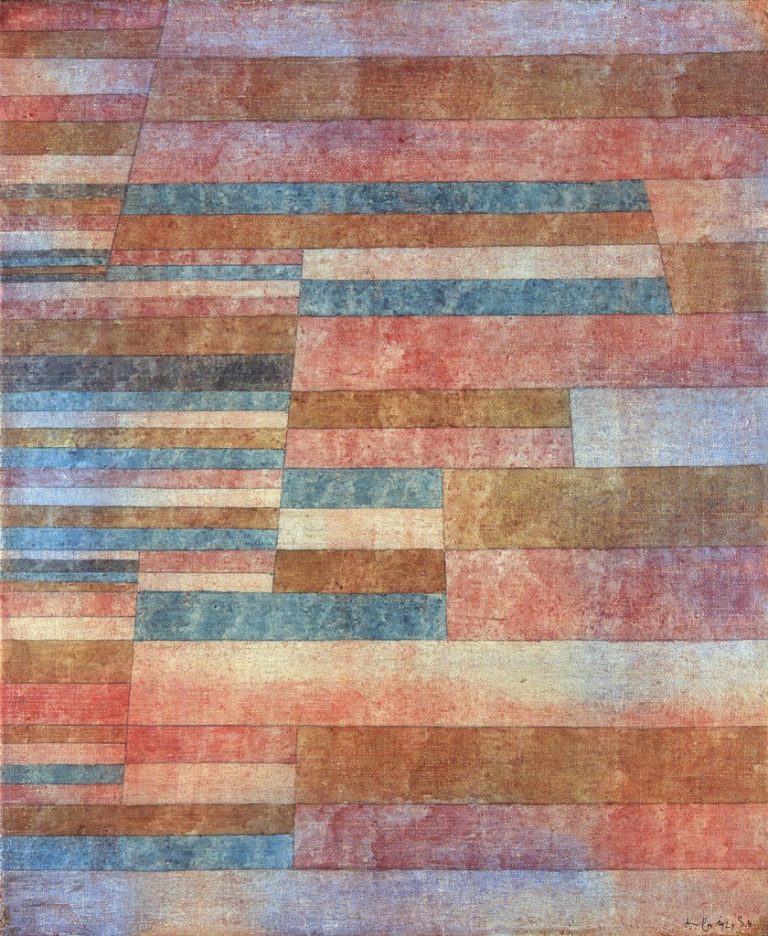
Rock Chamber by Paul Klee 1929, wikimedia commons
  • Language and Literature / Literary Theory / Philosophy

Fifty years have passed since the publication of Of Grammatology, and the Oxford Literary Review has dedicated its July 2018…

  • ByTeri Williams
  • OnJune 15, 2018

Studying sixteenth-century France from inside and outside France

il painting by Hendrik Heerschop, Credit: Wellcome Library, London. Wellcome Images
  • Cultural History / Cultural Studies / French Studies / Philosophy

My guest edited special issue of Nottingham French Studies (NFS), explores ‘Text, Knowledge and Wonder in Early Modern France‘, fleshing out…

  • ByTeri Williams
  • OnJune 15, 2018

A Q&A with Nataša Kovačević, author of Uncommon Alliances: Cultural Narratives of Migration in the New Europe

  • Language and Literature / Post 19th Century Literary Studies / Uncategorized

Tell us a bit about Uncommon Alliances: Cultural Narratives of Migration in the New Europe The book analyses cultural narratives…

  • ByCarla Hepburn
  • OnJune 7, 2018

Finn Fordham on the Anatomy of Moments

Rembrandt van Rijn, The Anatomy Lesson of Dr Nicolaes Tulp, 1632. Mauritshuis, Den Hague.
  • Cultural Studies / Language and Literature / Modernism

Singing in a choir recently I was lucky enough to experience some intense moments, and less lucky in my attempts…

  • ByTeri Williams
  • OnMay 30, 2018

Rediscovering the Wonder of Philosophy

Wonder was eclipsed by the Sublime in paintings such as The Great Day of His Wrath
  • Philosophy

Wonder is largely absent as a topic of concern to contemporary philosophers. Yet ancient philosophers saw it as the source…

  • ByNaomi Farmer
  • OnApril 19, 2018
  • 1 Comment

Glasgow Archaeological Society Celebrates 150 Years of Publishing

  • British History / Cultural History / Scottish History / Scottish Studies

Glasgow Archaeological Society has been committed to publishing papers and disseminating information on archaeological findings and discoveries since it was…

  • ByRebecca Wojturska
  • OnApril 16, 2018

Q&A with Stephen Bowman, Author of The Pilgrims Society and Public Diplomacy, 1895–1945

Illustration of New Year's Eve Dinner at Pilgrims Society venue the Savoy in 1906
  • International Relations / Politics / Politics, Philosophy and Religion / World History

Tell us a bit about The Pilgrims Society and Public Diplomacy, 1895–1945 My book is about the Pilgrims Society, which…

  • ByNaomi Farmer
  • OnApril 11, 2018
Prev
1 … 76 77 78 79 80 81 82 … 107
Next

Popular Posts

Shame in Contemporary You-Narration: Q&A with the author

Silhouetted martial artist mid-air against a sunset sky over the sea, holding a poised, balanced stance that emphasises calm, control, and intention rather than force.

Martial arts ecology and the quiet life of action cinema

A picture showing bare hills being grazed by sheep in the Ettrick valley.

A famous old shepherd looks for remedies

Q&A with Dr Beth Williamson: A Cultural Biography of William Johnstone

A sepia-toned 18th-century printed broadside titled “TRANSPORTED FOR SEDITION.” The design features ornate borders and three oval engravings of men in period clothing holding papers. Text around the portraits names individuals convicted of sedition and sentenced to transportation (penal exile), including references to courts and dates in the early 1800s. The overall style is decorative and historical, resembling a political or legal proclamation from Britain.

The Scottish Martyrs and the antagonisms between Scots Law and British penal practice

Subscribe To Blog Via Email

Enter your email address to subscribe to this blog and receive notifications of new posts by email.

Copyright © 2026 - Edinburgh University Press | All Right Reserved. | Privacy Policy