-
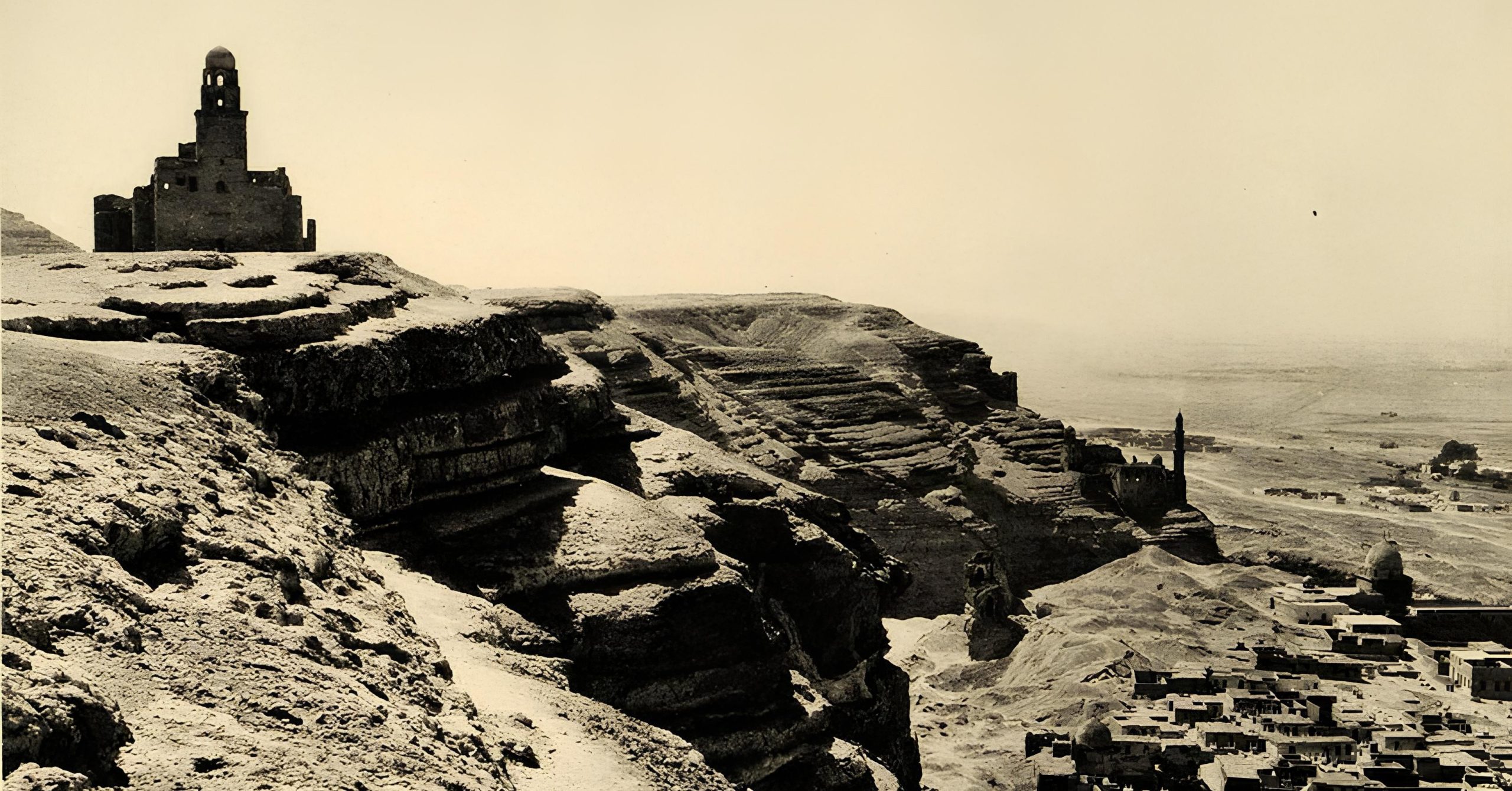
Al-Mashhad al-Juyūshī: The story behind one of Cairo’s most remarkable Fatimid monuments
Read more: Al-Mashhad al-Juyūshī: The story behind one of Cairo’s most remarkable Fatimid monumentsExplores how power, memory and faith come together at al-Mashhad al-Juyūshī, a Fatimid monument set high on Cairo’s Muqaṭṭam Hills.


The Importance of Legacy in the Histories of Mycologists
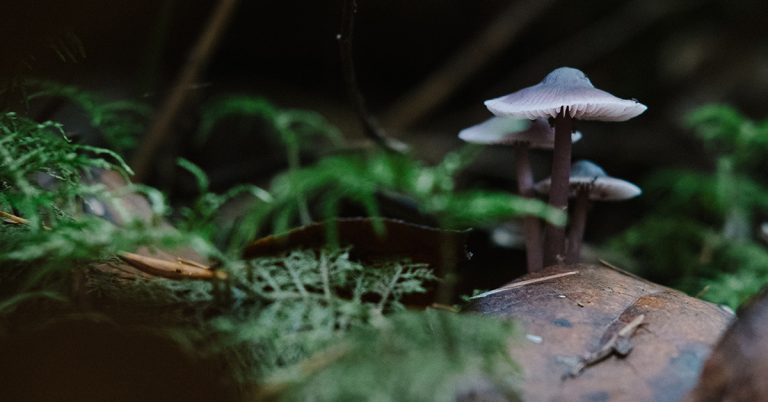
By Nathan Smith How many animals can you name? How many plants? The answer to both questions is probably quite…
Living with Shakespeare – A Journey in Nine Acts
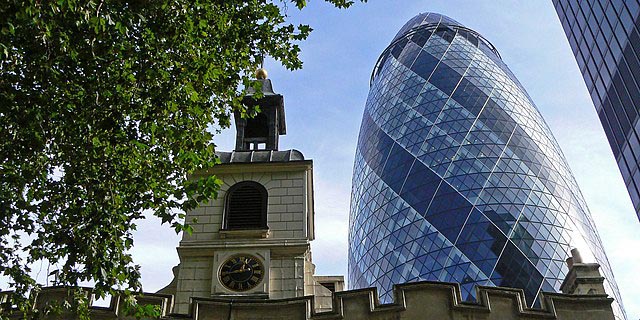
by Geoffrey Marsh Given that there is little information about Shakespeare’s life, people ask what made me think there was…
Translation and Literature Reaches Thirty: A Little History
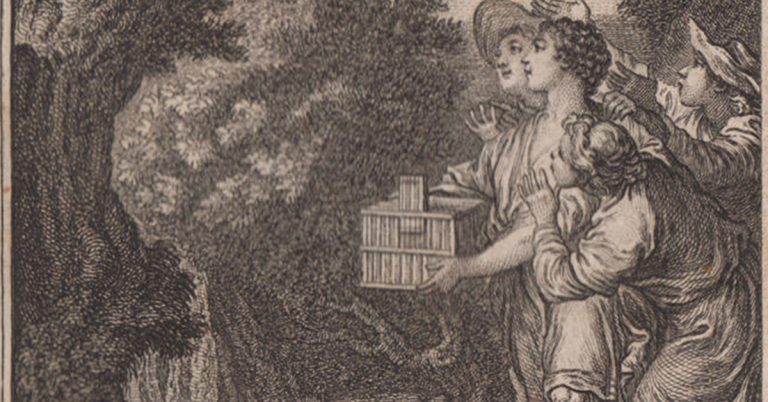
By Stuart Gillespie I was one of the two founding editors of this journal in 1992. Anyone involved with a…
How do women and men swear on Twitter, and why does it matter?

By Michael Gauthier For decades now, sociolinguistic studies have showed that social parameters have an influence on the way we…
Burns Chronicle: The Oldest Scottish Literature Journal in the World?

By the Editors & Reviews Editor, the Burns Chronicle Almost 130 years ago, in 1892, enthusiasts started publishing the Burns…
Reading the War on Terror in Moroccan Picture Books

By Sara Austin and Ann Wainscott We met at New Faculty Orientation in 2018. Sara was seated across a large…
Cultural Cooperation and Intellectual Freedom in “These Anxious and Baffling Times”

By Marek Sroka Seventy-five years ago, Winston Churchill, in what was to become one of the most famous orations…
Introducing Critiquing Gender and Islam: Transnational, Intersectional and Queer Perspectives
by Nadje Al-Ali & Kathryn Spellman Poots It has been over 10 years that we have seen uprisings in the…
‘Everything that wriggles’: The Muriel Spark Archives
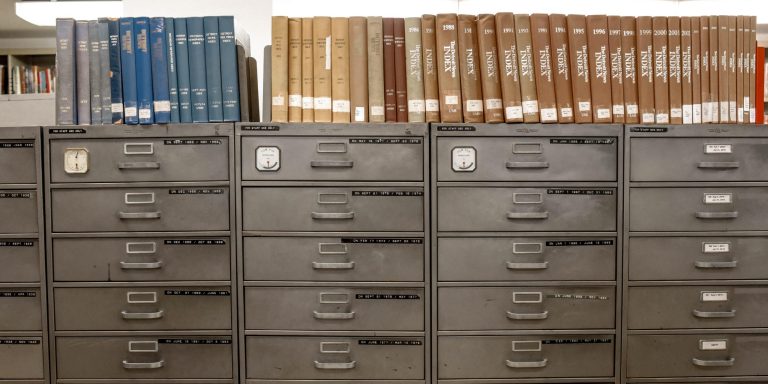
By James Bailey ‘I am a hoarder of two things: documents and trusted friends’, wrote Spark in her 1992 autobiography,…