
The missing drafts of Whitehead’s books
Until recently, few people suspected that the missing drafts for Alfred North Whitehead’s books might still exist – in the notes of his Harvard and Radcliffe lectures.


Until recently, few people suspected that the missing drafts for Alfred North Whitehead’s books might still exist – in the notes of his Harvard and Radcliffe lectures.

By Jason W. Carter How much do we know about the future? Some people think that we can know a lot about the future – even the distant future. We might now know, for instance, that a catastrophe caused by…
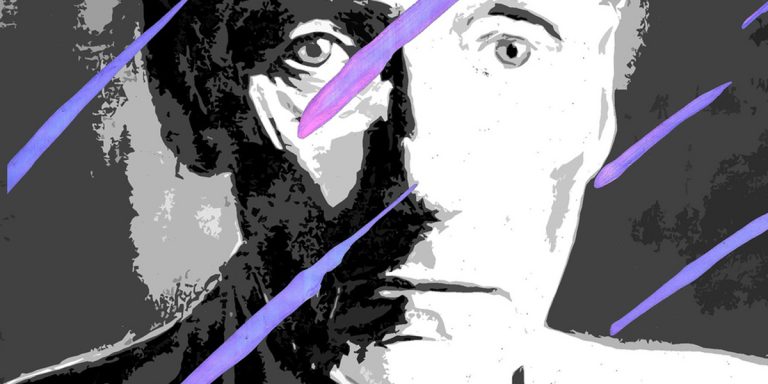
By Stanley Gontarski American outlier writer, William S. Burroughs, was a creative force, as a writer in his own right, and as a cultural theorist, particularly his anticipation of what we now regularly call “a society of control” or “a…

By Enrico Galvagni There is a myth that spans the history of western thought: the myth of the selfless philosopher. True philosophers, the myth says, are ethereal creatures who dropped every trace of pride, egoism, and vainglory to devote their…
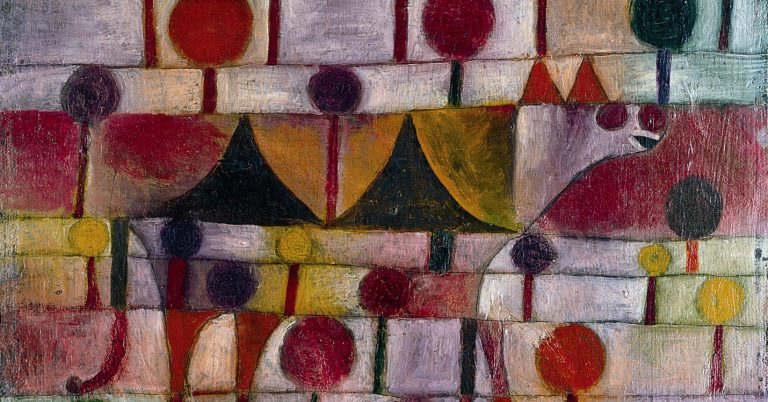
Sunil Manghani explores how rhythm came to be one of the most productive terms for critical enquiry into our social, political and cultural lives, and looks to the future of research into rhythm.

How we make place and have a sense of belonging in a pandemic is such a very different experience than many of us have usually experienced.
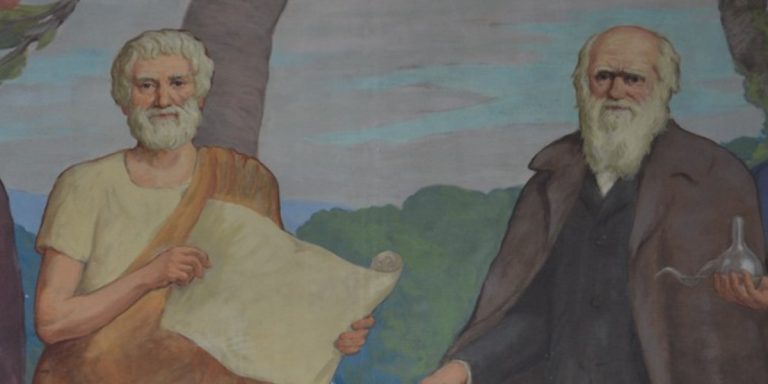
By Anne Siebels Peterson Aristotle did not merely engage widely in natural science. He articulated the distinctive methods and principles that should guide one in seeking explanations of nature, and distinguished these methods and principles from those used in other…

By Stefano Maso The way we think and approach life nowadays is rooted in Greek and Latin antiquity. There is where the belief was born that man is able, with tèchne, to translate his will into practice. Tèchne – as…
The captivating reflection of Chris Watkin on why he chose to write on Michel Serres continues below. Hermeneutics of suspicion, hermeneutics of federation Serres is antipathetic to the method of critique characteristic of the human sciences, and in particular to…