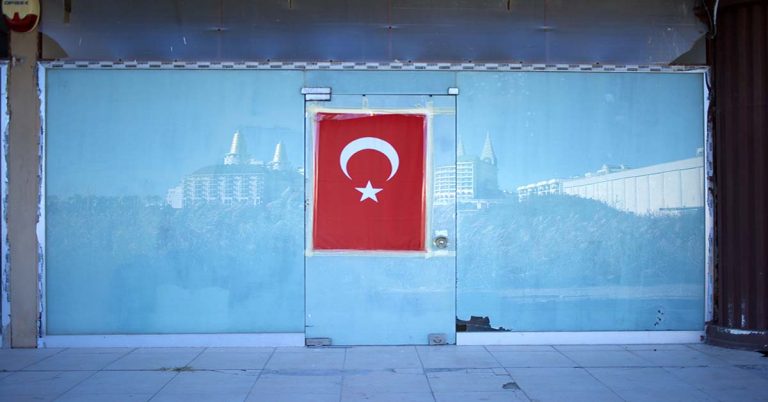
‘A Place in the Homeland? Turkish-German Return Migration’: Q&A with the authors
Nilay Kılınç and Russell King discuss the making of their book on second-generation Turkish-German return migration


Nilay Kılınç and Russell King discuss the making of their book on second-generation Turkish-German return migration
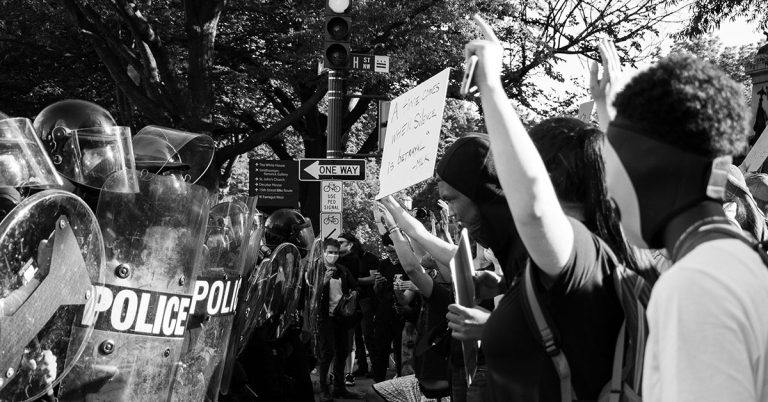
Henry A. Giroux argues for the necessity of critical pedagogy in resisting authoritarianism and scholasticide in Gaza, the USA and globally.
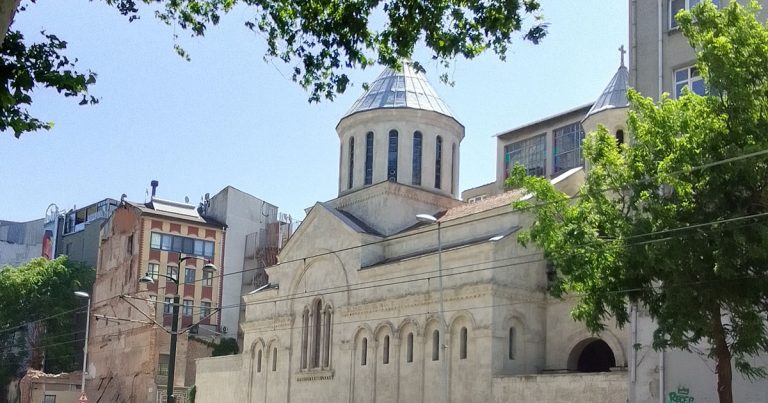
Masayuki Ueno re-evaluates how the Ottoman Empire managed religious minorities from the early days of the empire to the nineteenth century.

How have diasporas and migrants contributed to the rise of the US as a great political, economic, scientific, and cultural power?
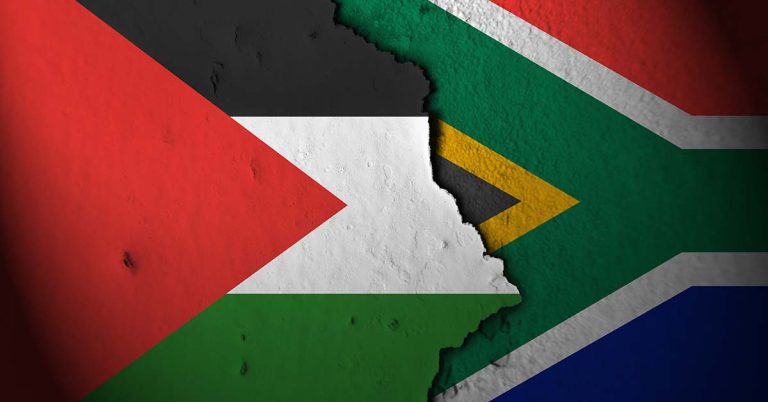
Kieron Turner treats Racial Capitalism as a crucial theoretical tool for anti-colonial Palestinian resistance
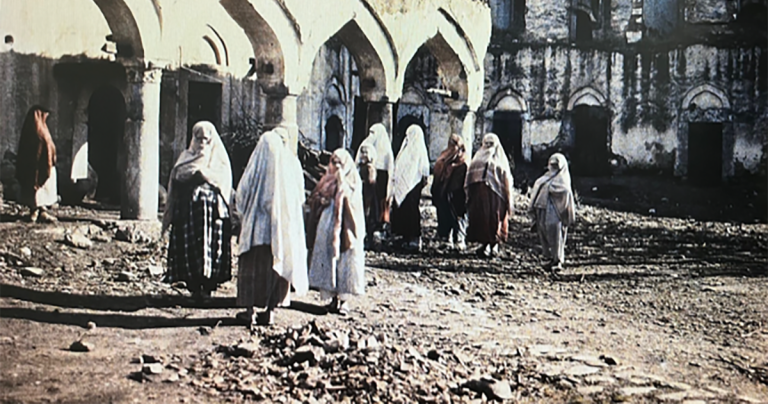
Umit Eser explores authoritarianism in post-Ottoman geographies by investigating the origins of organised violence and ethnic cleansings at the beginning of the twentieth century
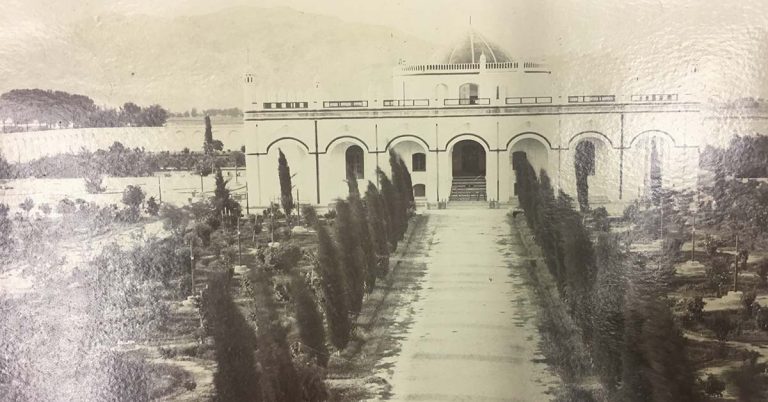
How does the telegraph function as both a material invention and an object of desire?
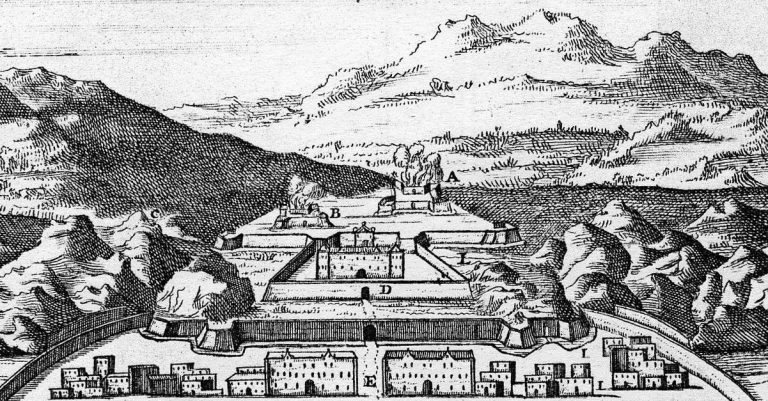
What happens when we view supernatural happenings as a wellspring of historical possibilities, rather than as excess to be cut away?

Discover the story of Islamic and Middle Eastern Studies at Edinburgh University Press – the first publications, the books that changed the field and what you can expect to see in future.