
by Tiffany Fairey
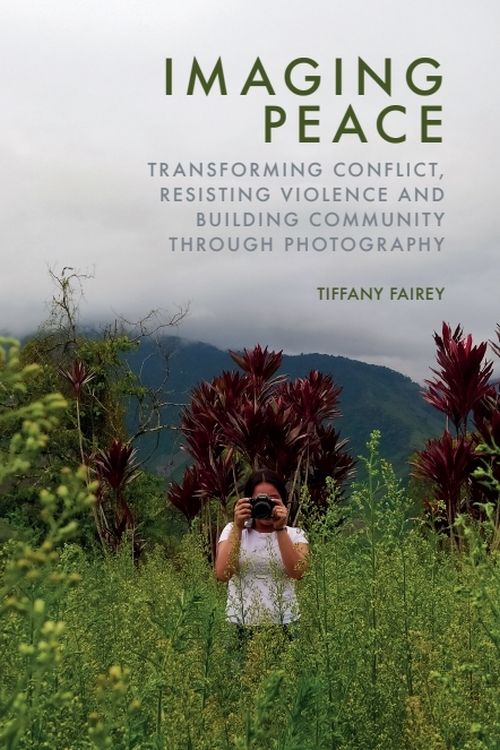
Examines diverse forms of peace photography by and with conflict-affected communities
Click around the map to learn more about peace projects around the world!
Rwanda
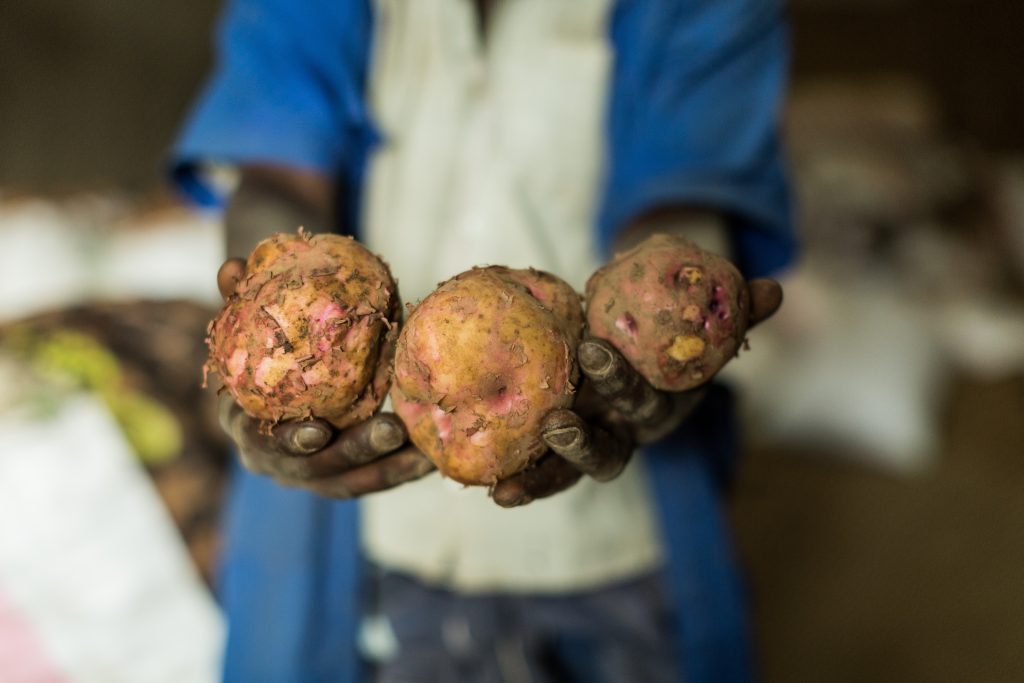
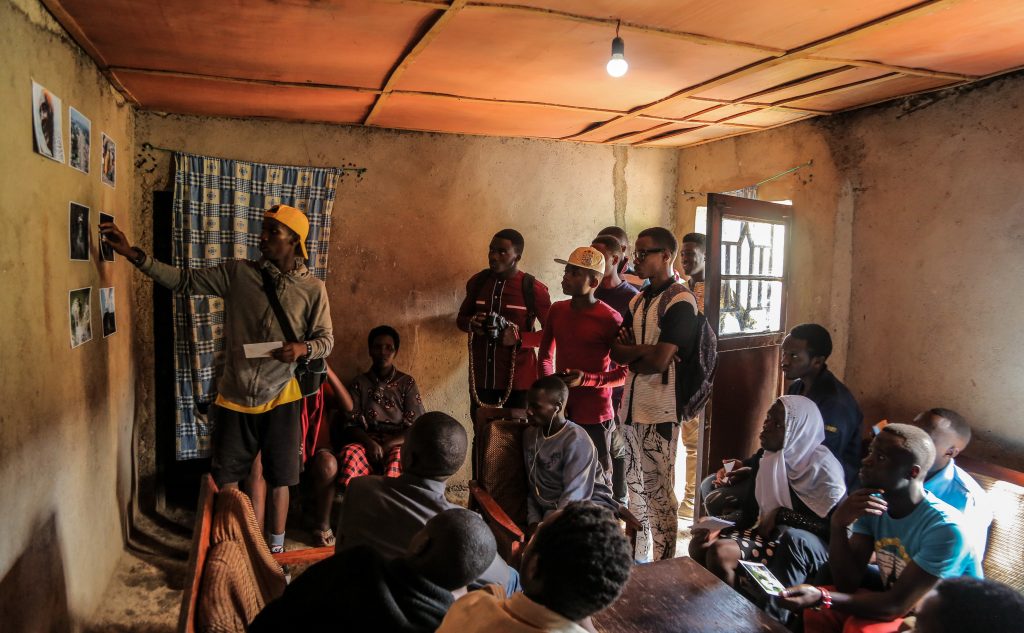
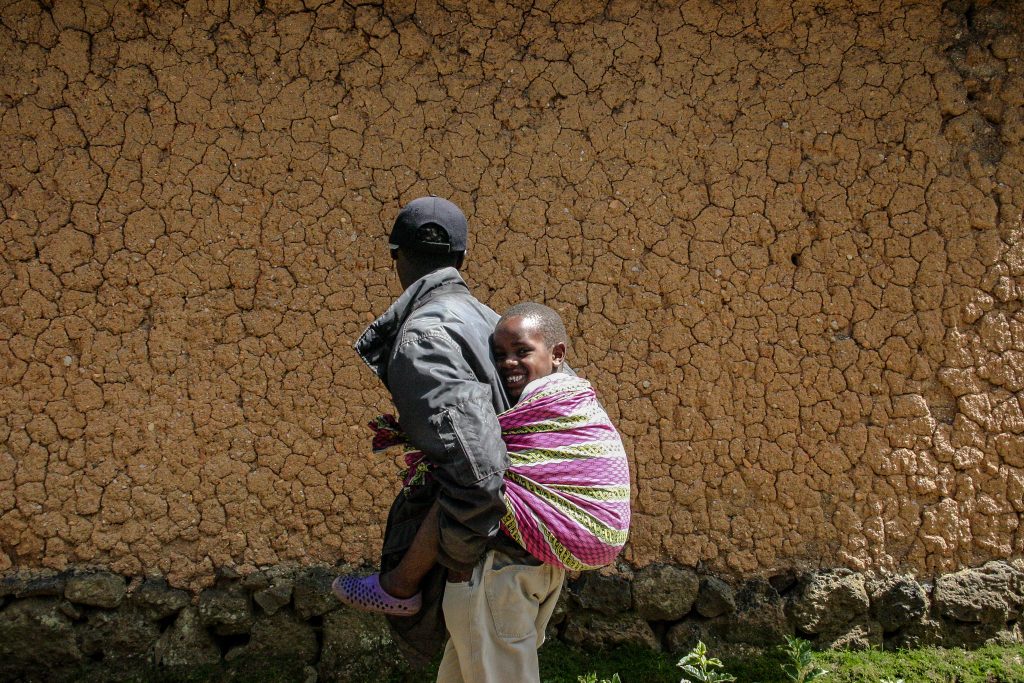
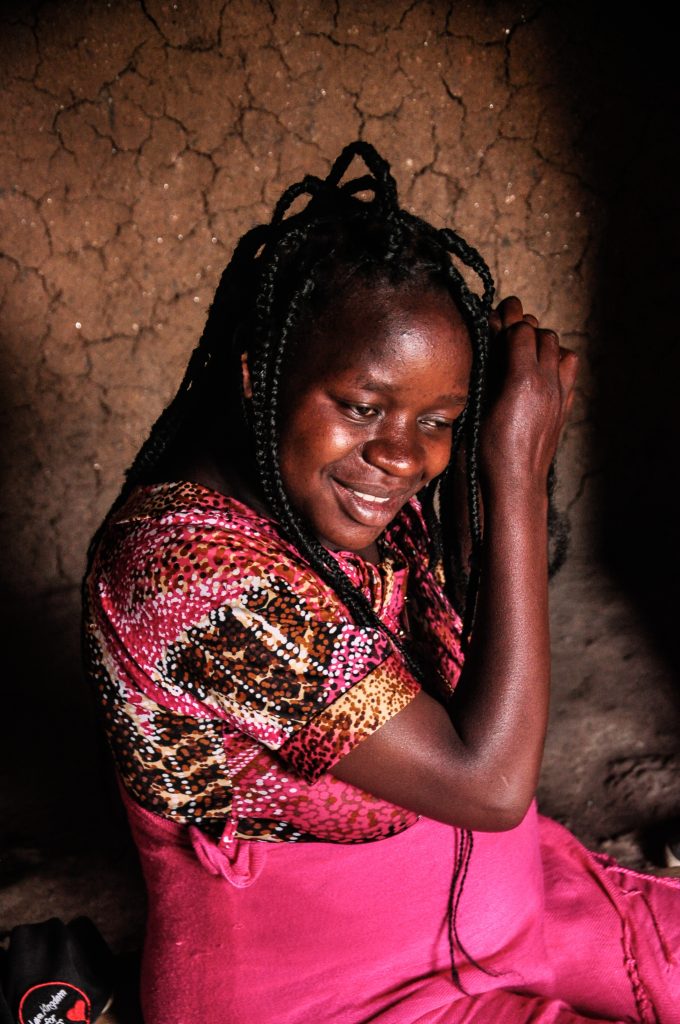
In Rwanda, a photo-mentoring initiative run by the Kigali Centre for Photography builds visual agency and catalyses community dialogue. Youth from a rural community produce photo stories on issues of their choice, such as underage motherhood and masculinity, repositioning themselves as visual storytellers framing their own visions of inclusive, just peace. They then hold Home Stay Exhibitions in their own homes, inviting neighbours and friends to discuss the often-sensitive stories depicted. Seeking to break down walls risen around people’s houses since the genocide, these exhibitions reclaim the home as a space for connection and use images to build trust and open, unscripted dialogue that breaks ingrained silences and fosters social healing.

My Father, the Potato Farmer. I want to tell the story of growing potatoes in our village. I want to show how we plant them, how they grow and the entire process through to harvest. It is a story that is close to me. My father is a potato farmer. The story is important because we grow so many potatoes in this region and the fluctuations in the potato prices affect us. We need to find a solution. Photo by Aline / Kigali Centre for Photography Delphin hosts his Home Stay Exhibition Photo by Kigali Centre for Photography The Role of Men in Family and Society Photo by Delphin Mugisha / Kigali Centre for Photography Pregnancy Not By Choice. Julienne Dushimimana Richard’s exhibition made me realize that this kind of project can impact. The way he is confident and how he is shaping his future – that is very exemplary to all of us.I was not shy to share my stories to him as my neighbour, and I felt that it was necessary to talk to him, because no one else was talking to me, he gave me hope to feel human and inspired me that i can still make it and achieve my visions. Photo by Richard Ingabire / Kigali Centre for Photography
Colombia
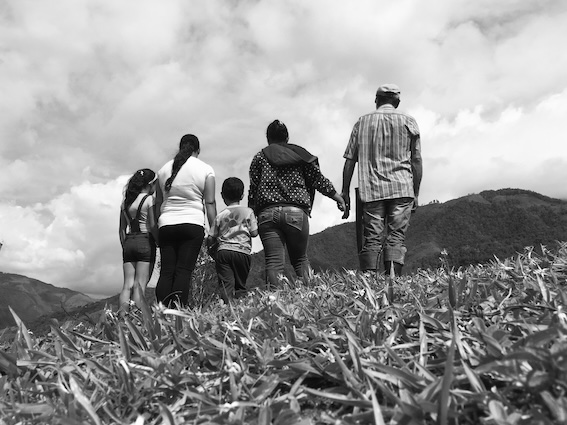
In Colombia, six rural communities affected by decades of armed conflict used photography to visualise their own signs and indicators of peace, justice and co-existence. Working with Everyday Peace Indicators between 2020 and 2024, community members, from children to grandparents, created 114 photo stories, later exhibited across their villages on walls, homes and public buildings. Despite the difficulty of making the abstract, often mundane, concept of peace visible, their images are read as records of intention and choice, that challenge negative narratives, honour the dead and disappeared, and call for land, justice and services. Analysed for their recurring visual patterns and strategies, they reveal a peace that is plural and specific, rooted in daily practices and intergenerational resistance.

She wanted to be a sister in war and a daughter of whoever, and she went by an alias. Being there, she lived horror, she came to know great pain. She was wounded in combat, and her heart was also wounded, because of course she couldn’t free herself from love. Now she carries real love with her, a pure and sincere love, a love for life. All there is to say is that they’re there, living among us, they rebuilt their familes and they’re helping to transform the community. Photo by Yesica Alejandra Zapata David, San José de Urama Photography Collective 
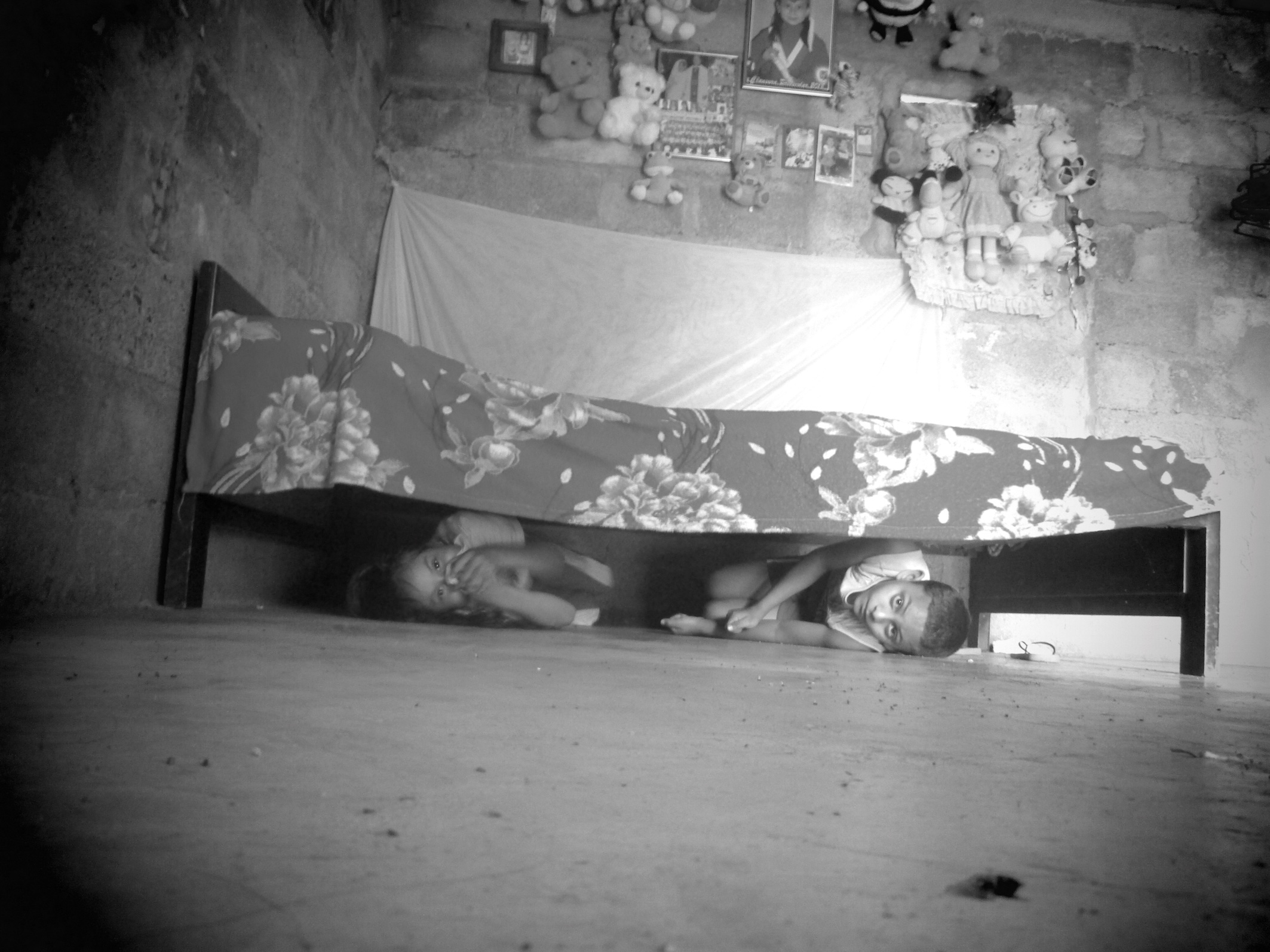
Before, when you heard gunshots, everyone would run to hide under the bed or in some safe place in the house, and now kids hide under the bed or in safe places because they’re playing hide and seek. Photo by Yuliana Andrea David Hidalgo, Las Cruces Photography Collective 
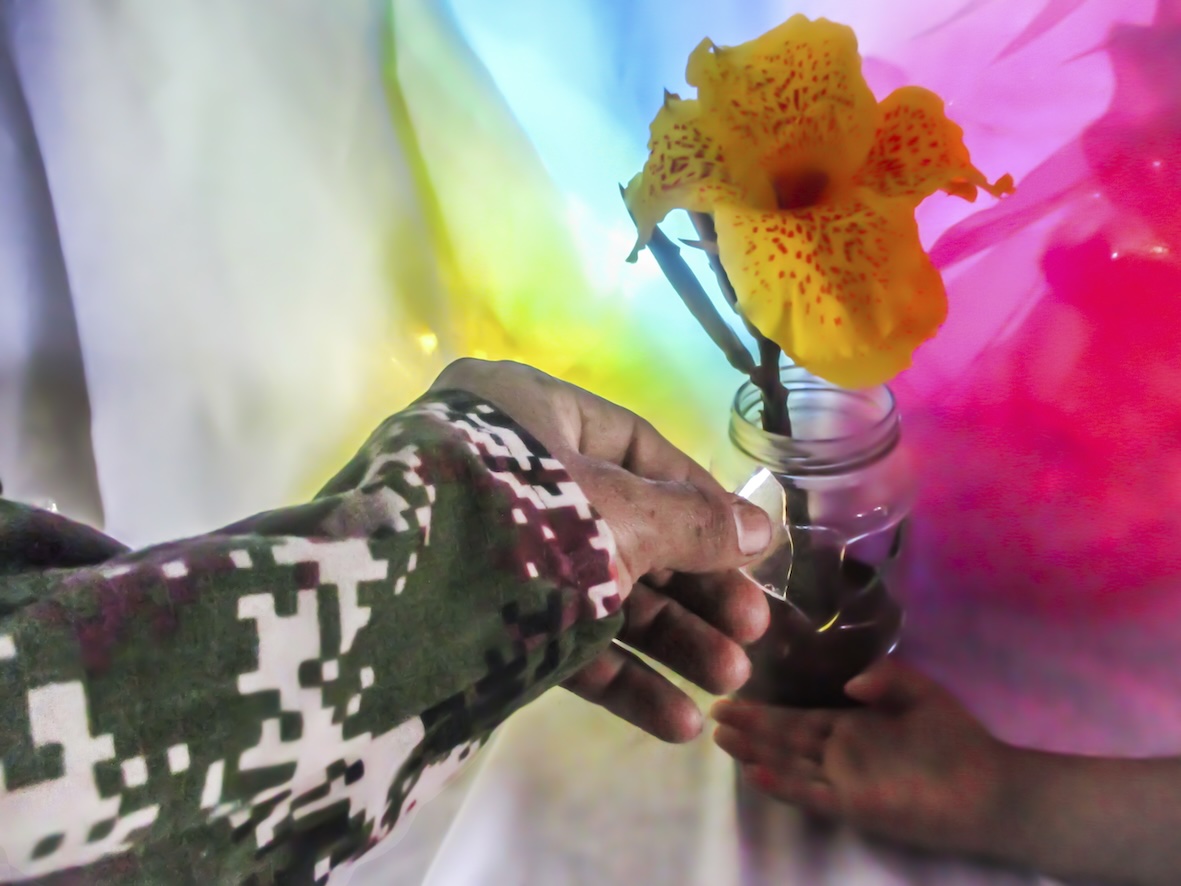
Justice Indicator: The army pays for the victimizing acts it committed in the framework of the armed conflict. The most beautiful way of transformation towards a peaceful world is the transcendence of the truth, the recognition of errors and the contribution to their amendment, which, although it does not erase the scars of the soul, allows a new beginning, without uncertainty, and with colorful hope, for our new generations. Photo by Yeimy Paola Delgado, AECTR Antonio Nariño Photography Collective
Nepal
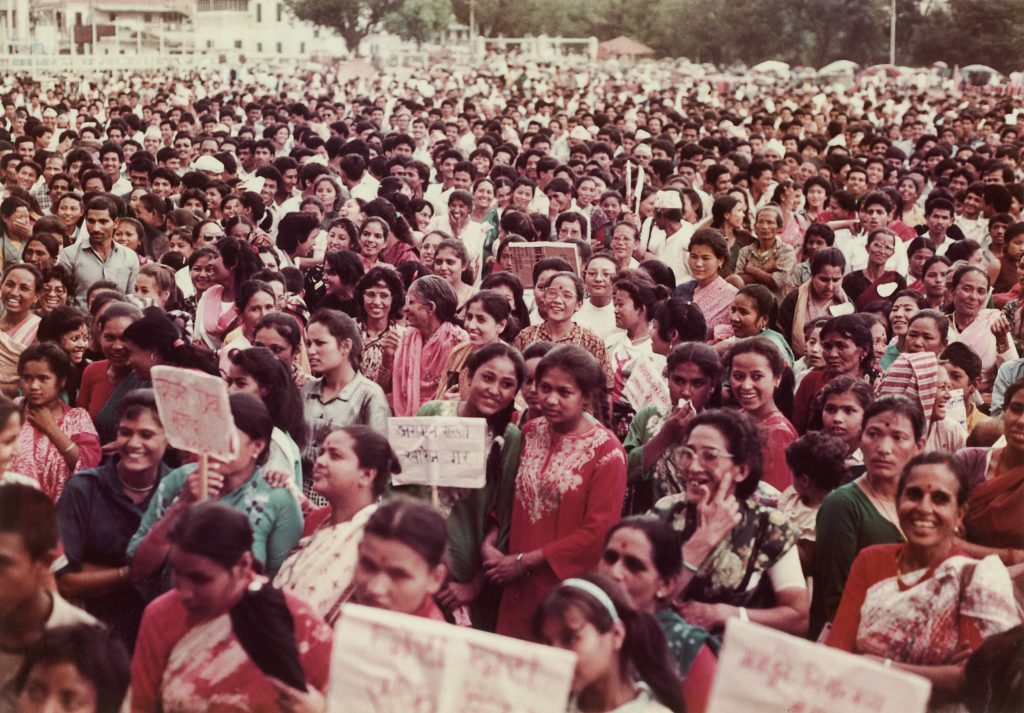
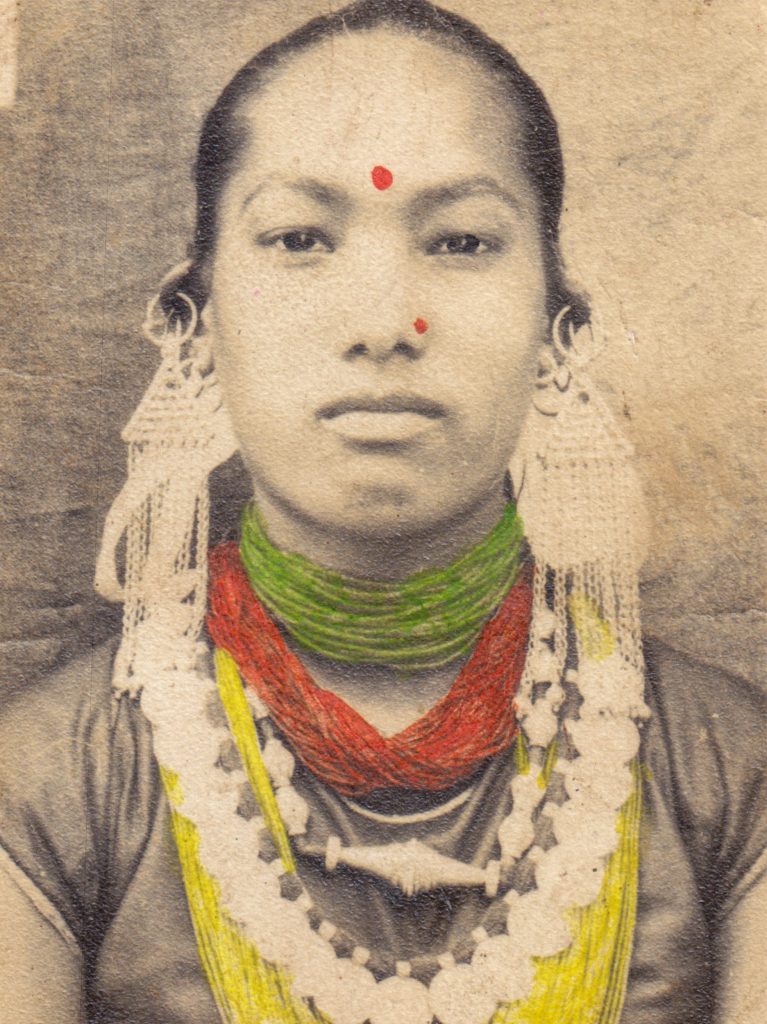
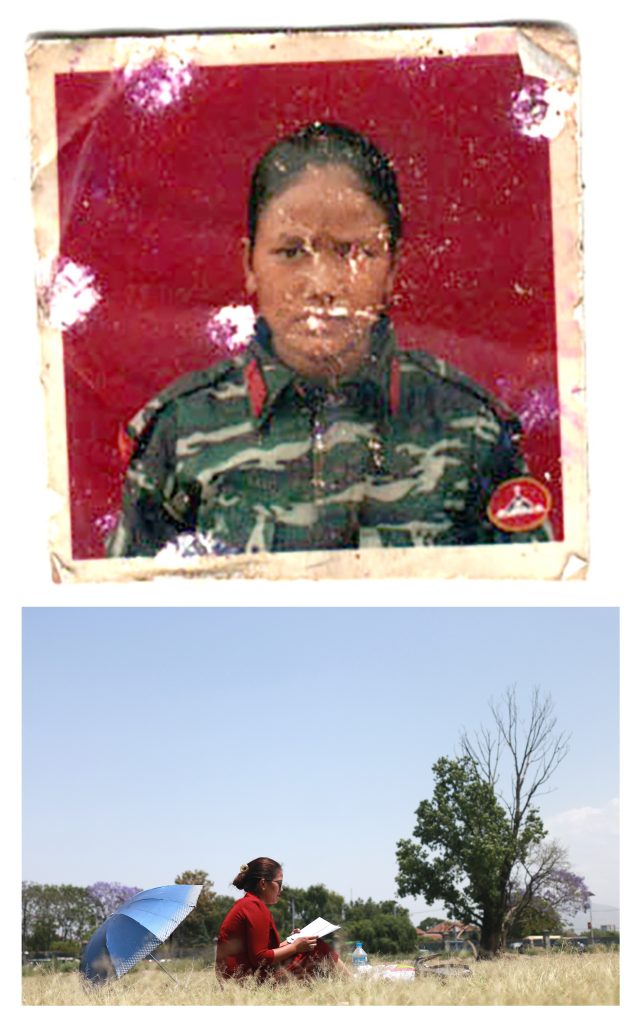
In Nepal, three participatory visual archives weave distinct visual records of the country’s internal conflict and the obscured histories of feminism and social exclusion that surround it, filling gaps left by deficient transitional justice mechanisms. A People War gathered thousands of photographs into a book and travelling exhibition that reached 650,000 visitors nationwide; the Feminist Memory Project has collected over twelve thousand images tracing Nepali women’s activism since the 1940s; and Fading Memories preserves testimonies from survivors and former female combatants. Built collaboratively with contributors, these archives operate as sites of political contestation, opening new ways of seeing that subvert structural violence by centring marginalised and gendered stories, and insisting that Nepal’s conflict and its legacies are not yet resolved or forgotten.”
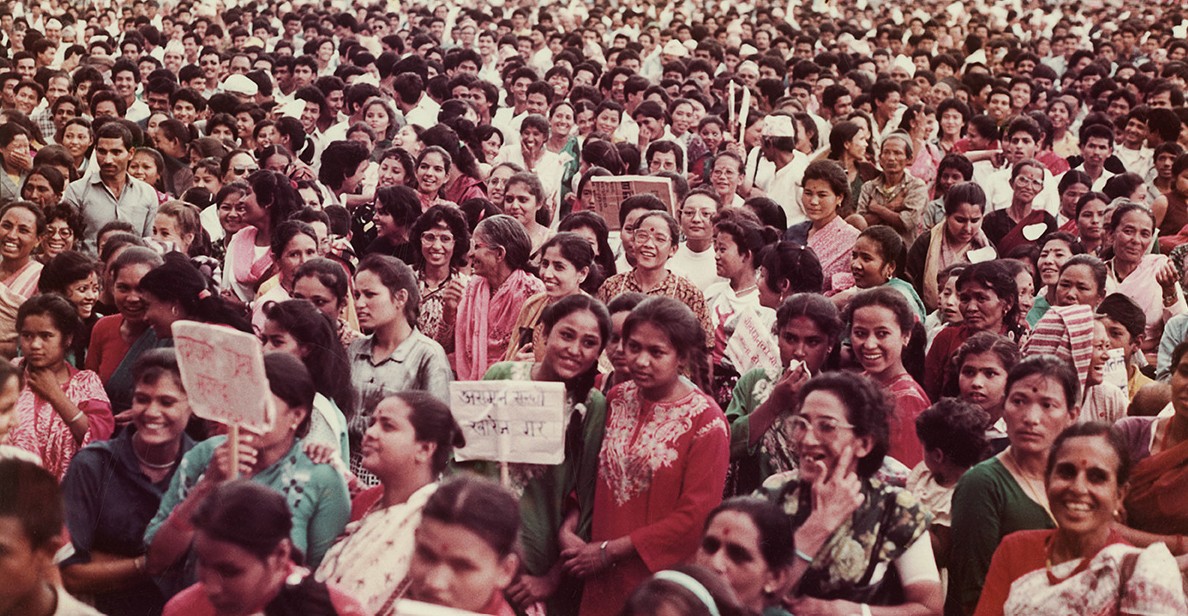
Kathmandu, Nepal. 1981 Women from all walks of life gather for a mass meeting in Kathmandu to submit a letter of protest to the government following the rape and murder of sisters Namita and Sunita Bhandari in Pokhara. Hisila Yami Collection | Nepal Picture Library 
Photograph of Tharu women from Karjahi, Dang who led a peasants’ revolt in 1980 against local landlords. Karjahi landlords had taken to intimidating local peasants and vandalising their property with the help of the police, which in turn compelled these women to organise. Premkali Chaudhary Collection | Nepal Picture Library 4008 Humiliated Soldiers Shova Rayamajhi was given a gun to fight the cause that she did not know then. She was just 11 years old when she took up the gun. She was discharged well before she became an adult. The UN Mission to Nepal (UNMIN) verified a total of 4,008 minors and discharged them empty handed. She realized that it was injustice to those who fought along with senior political leaders during the conflict. She missed her school education. She has been fighting for the rights of those whose childhood was robbed and they were rendered jobless. Although the government had earmarked Rs 200,000 per ‘disqualified’ child soldier to facilitate their return to the society, a writ petition was filed against the decision. The Court stayed the writ petition. Photos: Shova Rayamajhi Archive, Bikkil Sthapit Excerpt from 4008 Humiliated Soldiers, in ‘Memory, Truth & Justice’, VOW Media 2018, 78. Photos: Shova Rayamajhi Archive, Bikkil Sthapit
Northern Ireland
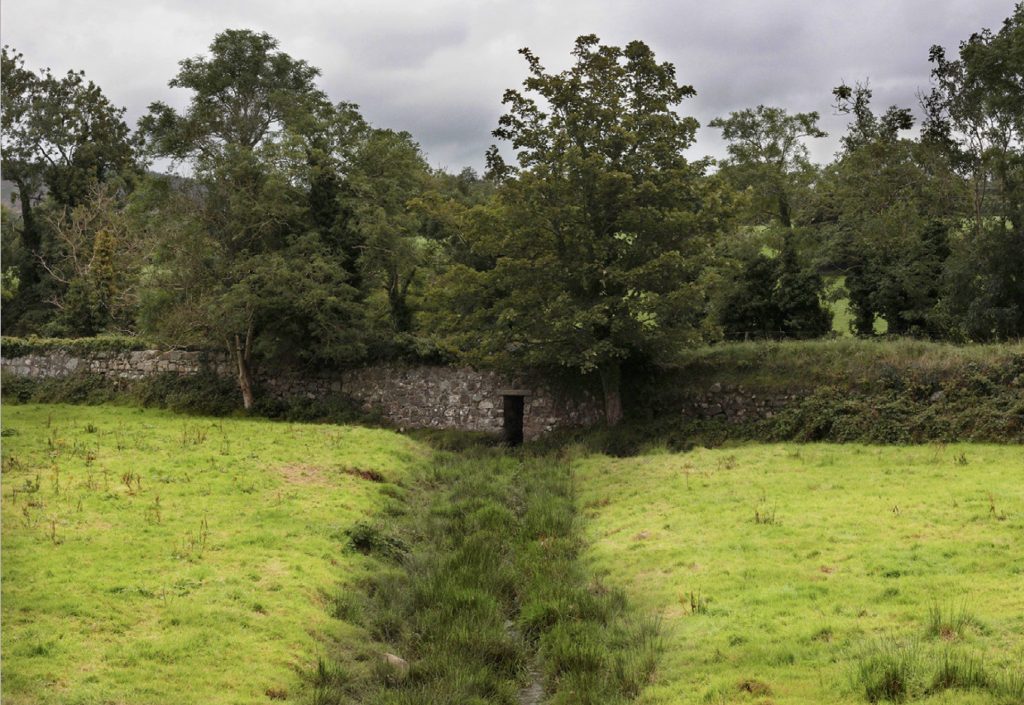
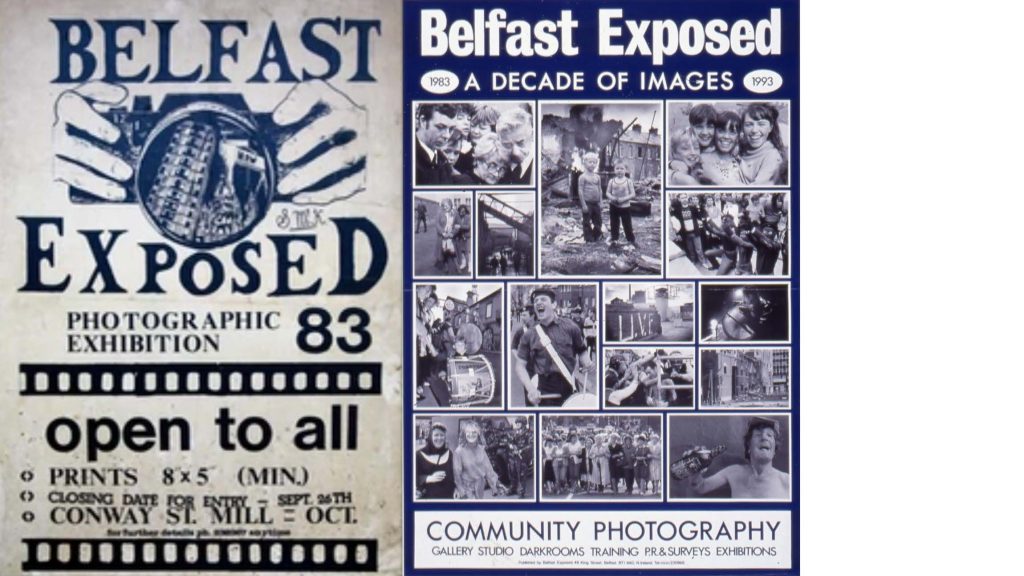
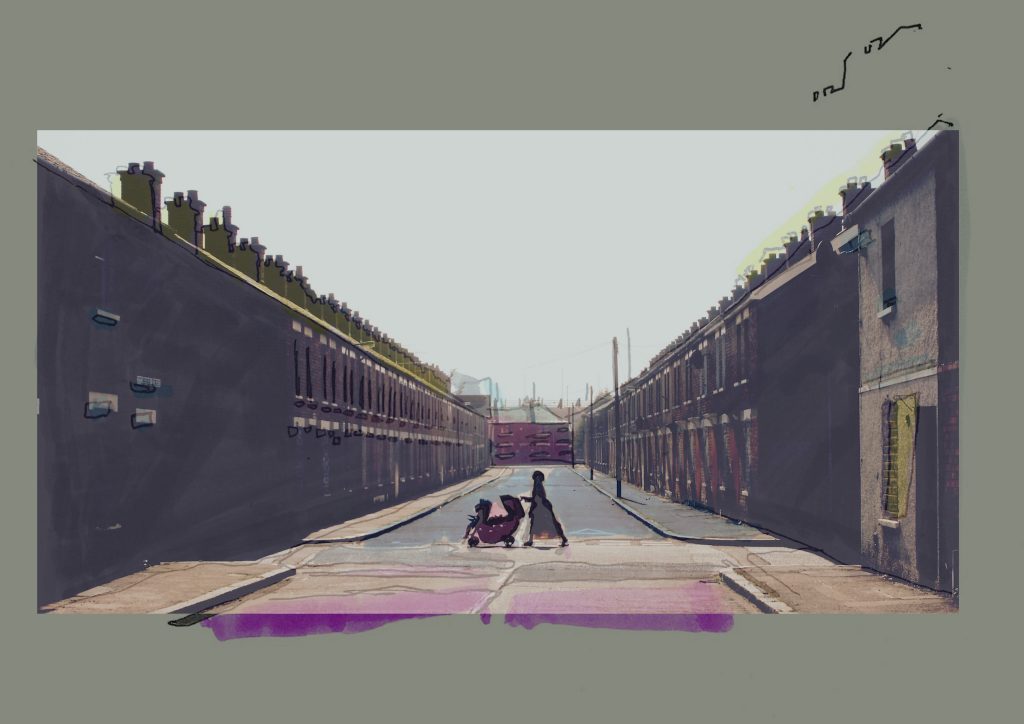
In Belfast, Belfast Exposed, a national photography organisation founded during the Troubles, has long applied photography to support conflict-affected communities. This chapter examines its recent focus on therapeutic photography methods as a means of addressing intergenerational trauma and rising rates of mental illness. Using archival images, creative image-making, photo walks, collage and digital manipulation, facilitators support healing through mental well-being photography that lets participants reclaim control and rebuild agency, connecting with themselves and others. This trauma-attuned peace photography, underpinned by distinct ‘distract and disrupt’ techniques, is rooted in four decades of community relationships and works to break the culture of silence that has grown around conflict-related trauma.
Mexico
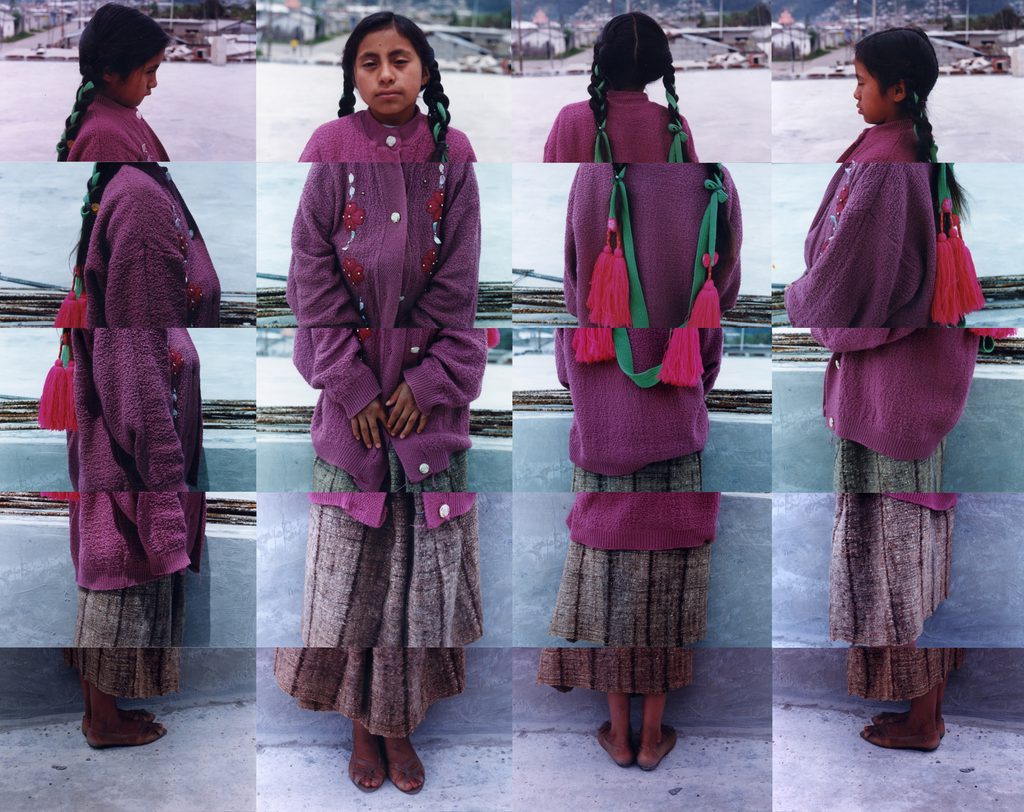
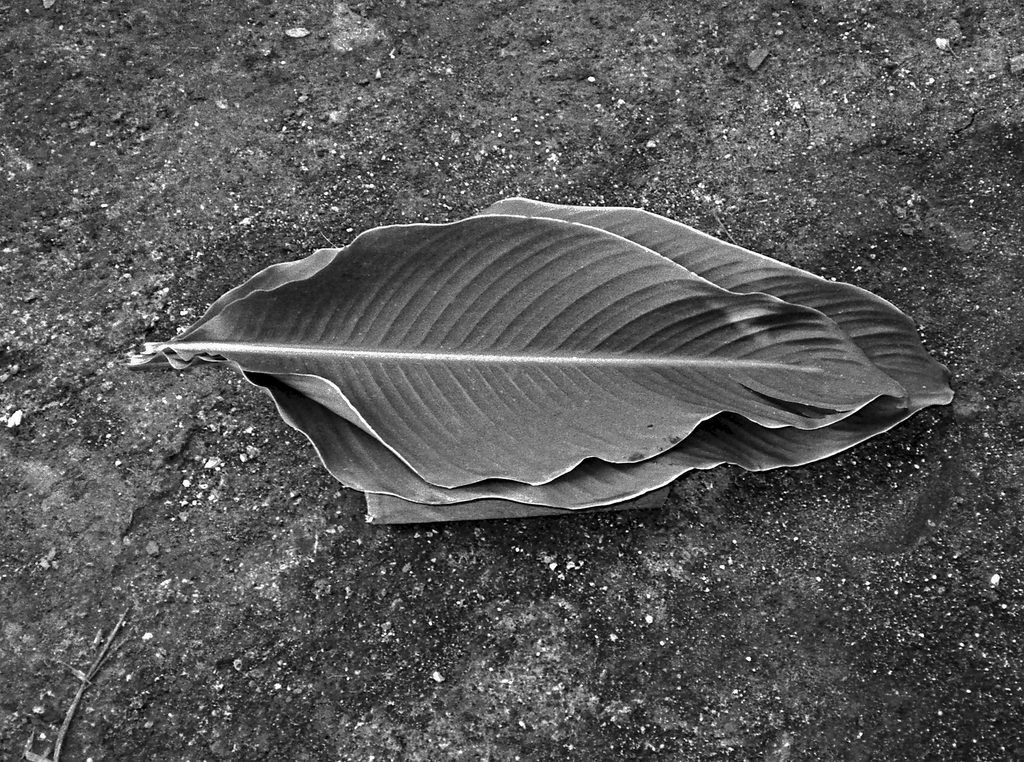
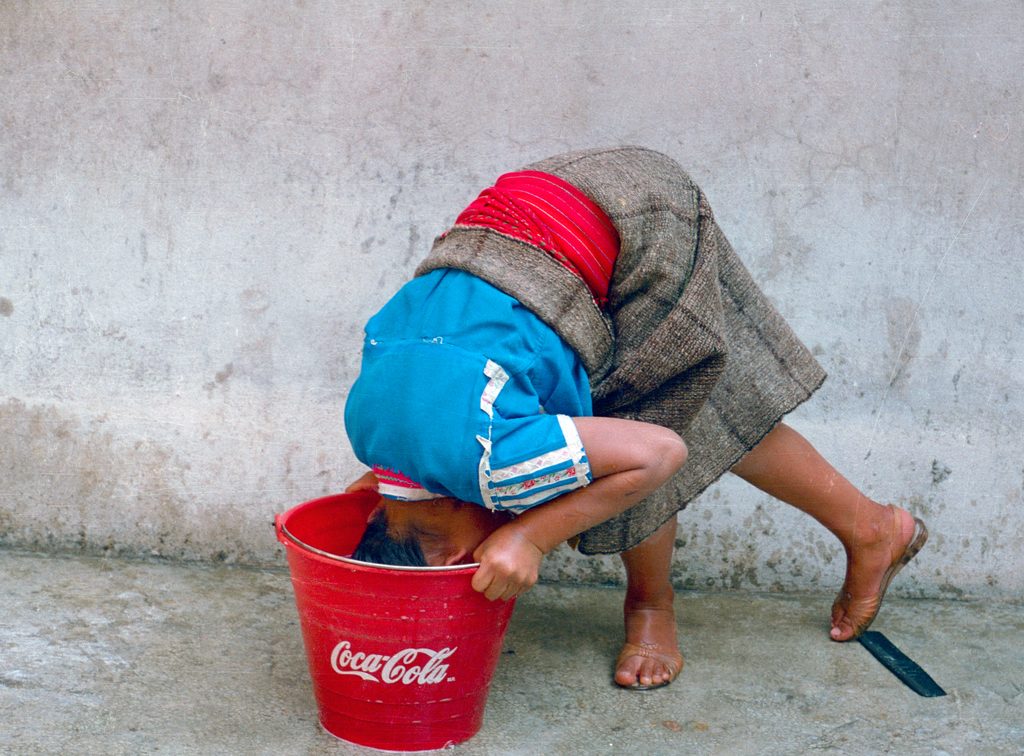
In Chiapas, Mexico, the Chiapas Photography Project, an indigenous photography collective running for over thirty years, has worked with over five hundred Mayan photographers, building an archive of 120,000 images and eleven photobooks documenting language, cultural traditions and daily life. Set against centuries of colonial oppression and the ongoing violence suffered by indigenous communities, violence in which the camera itself is implicated, the photographers rarely depict conflict directly, instead focusing on their languages, customs and family histories, and often refusing outside audiences and commissions. The chapter reads this refusal, and the collective’s visual activities, as a form of slow peace photography that resists slow violence, safeguarding indigenous pluralism and reclaiming visual autonomy and co-existence on the photographers’ own terms.
Jun-ol Veruch Mi sobrina Verónica My niece Verónica Photo by Juana López López, 2000 CH’UCH’ AK’alal chbat jk’okbetik tal spix pats’e mu la xtun jbiiltastik, mi la jbiiltastike mu xta’aj li patz’e; sepkantik tse sepkantik tok’on No mencionar el nombre de la hoja de bejao al envolver tamales. Al cortar hoja de bejao para envolver tamales, no se debe mencionar su nombre, porque no se cuecen bien las tamales: salen pedazos coincides y pedazos crudos. Do not mention the name of the bento leaf when you make tamales. When the bear leaf is cut to make tamales, it is not good to mention its names because then the tamales do not cook well; some pieces com out cooked and others raw. Photo by Maruch Sántiz Gómez Li jmuk Ristinae tey ta stsebin ta valte. Mi hermanita Cristina está lavando su cabello en la cubeta. My little sister Cristina is washing her hair in the bucket. Photo by Xunka’ López Díaz, 2000
Bosnia and Herzegovina
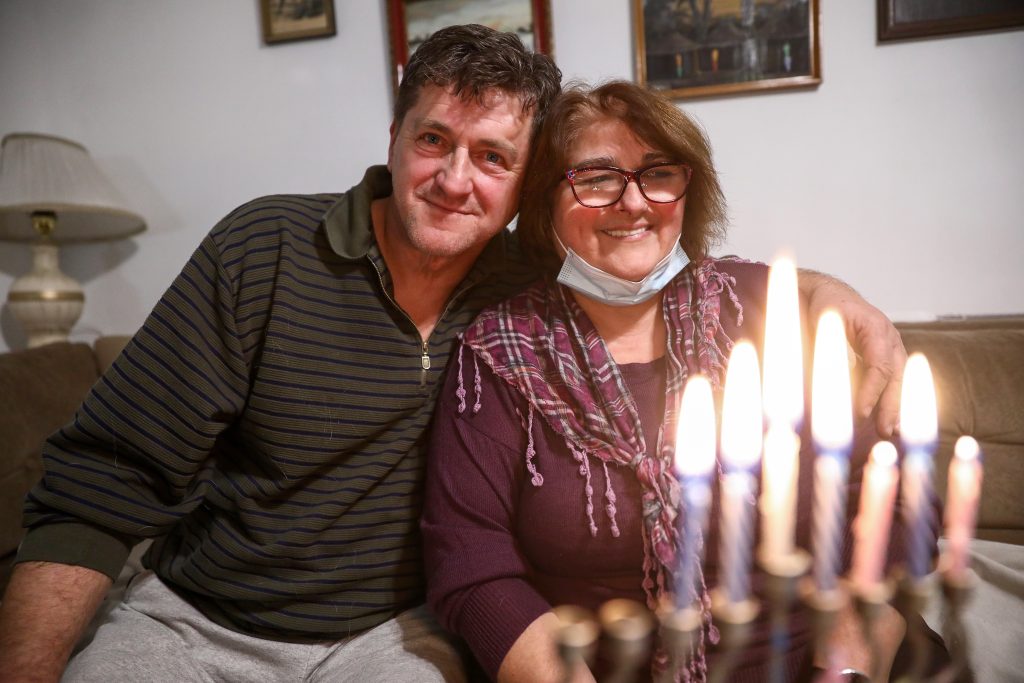
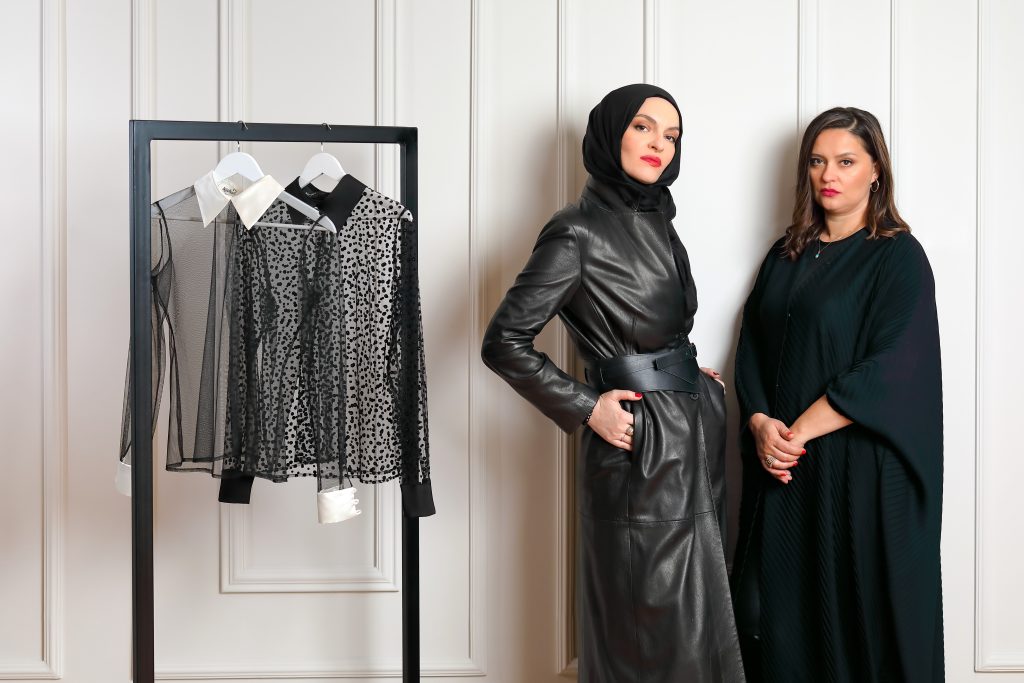
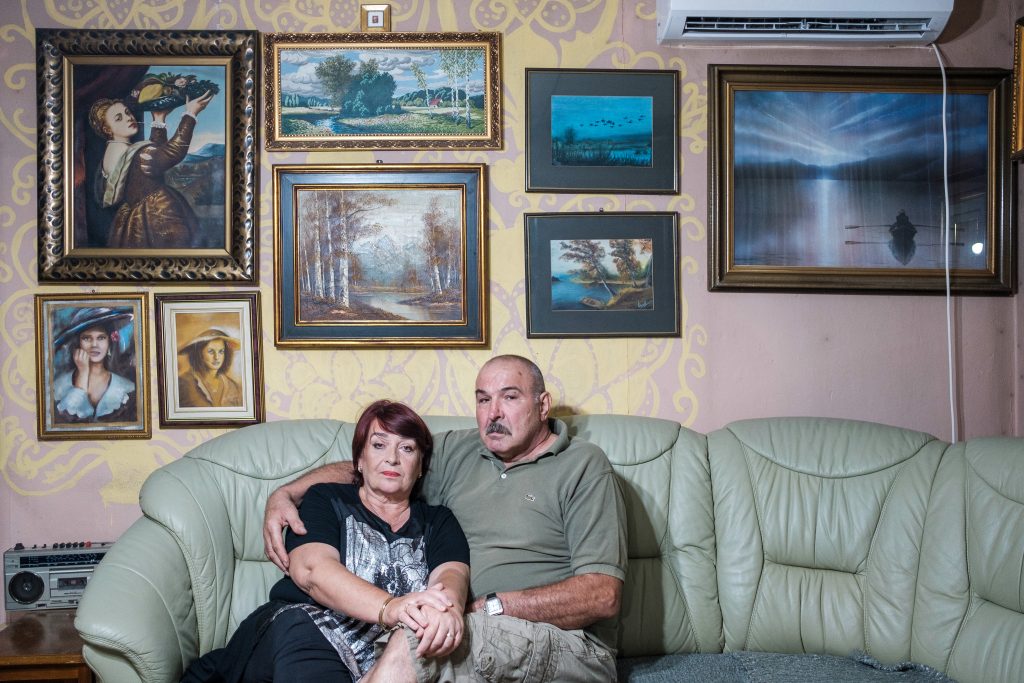
In Bosnia and Herzegovina, the Post-Conflict Research Centre uses its youth culture magazine MIR (‘Peace’) to counter the ethnic division that still shapes the country’s fragile post-war peace. Weaving together portraits, fashion, landscape and activism photography from across Bosnia’s ethnic groups, MIR showcases ‘ordinary heroes’, creative entrepreneurs, social justice campaigns and shared heritage. Drawing on contact theory, the chapter argues these plural, aspirational images act as a form of vicarious, indirect contact, inspiring inter-ethnic empathy and instilling the pride and hope that spark peace imaginaries, preparing Bosnian youth to imagine, and actively build, peaceful co-existence.
Zlatica and Muhamed Kljuno, who are from Sarajevo first met in a skate rink when they were still at school. They are celebrating 28 years of happy marriage this year. Their life has been filled with love for each other and their two children. They believe that their different religions have brought a lot of prosperity and happiness into their life. They believe that the key to their successful marriage is that their differences complement each other perfectly – what one of them lacks the other one has. Zlatica recalls that when they first met, “These differences were not thought of at all, nor should they have been thought of. We were not brought up that way, and nobody knew what your religion was, nor did anyone ask.” Photography: Mitar Simikić. Interview: Anja Zulic Sisters, Nermina Hodžić and Emina Hodžić Adilović, formed designer label Kaftan Studio, whose quality pieces are known for their recognizably expressive designs. They have achieved international success, worn on red carpets at the Oscars and featured in major fashion magazines. Their latest collection was inspired by unique and brave women. Kaftan Studio embodies freedom of choice, tolerance, respect for diversity, mutual understanding, love and acceptance through their creative work. For the sisters, their work is something of a manifesto for freedom Photo by Jasmin Agoić and story by Anđela Knežević MIR covers 2020 & 2022, Artwork by Damir Balić. Olga and Zijad met in the 1970s at a college disco: “He asked me to dance and that’s how it started.” Not only is their own marriage a “mixed” one – Zijad is from a Muslim background and Olga Serbian Orthodox – but those of all of their siblings are too. Zijad emphasises just how normal it was before the war: “Nobody cared about those things. Believe me, it was nothing.” They both lament how local leaders and politicians have instrumentalised ethno-national identity and religion ever since the war, and they are proud to have brought up their daughters with civic values instead, which, they say, are what civilised societies are founded on. Photography: Mitar Simikić. Interview: Armin Halilović

About the author
Tiffany Fairey is a Senior Research Fellow in the Department of War Studies at King’s College London. Her research concentrates on creative and community peacebuilding with a focus on visual peace research. As founder and former director of the award-winning UK charity PhotoVoice she pioneered ethical practice in participatory image-making and is an established photovoice specialist with over 25 years’ experience working on projects with partners around the world. She has held a Leverhulme Fellowship and been awarded the Royal Photographic Society’s Hood Medal. Her other publications include Peace Photography: A Guide.