
By Hannah Hassani and Said Reza Huseini
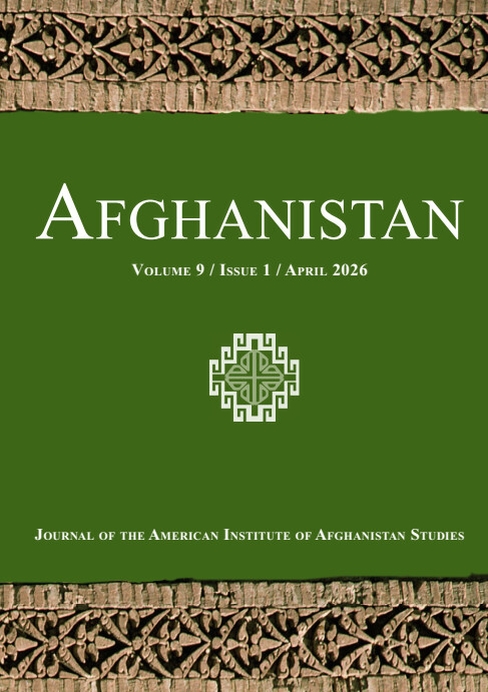
Hannah Hassani and Said Reza Huseini are the guest editors of Afghanistan: A Neglected Reality, a special issue of the Afghanistan journal looking at the interconnected internal and external root causes of the fall of the Afghan government on its 5-year anniversary.
In this post, they share their experience of turning a workshop or conference into a published collection of essays, whether as a book or a journal special issue.
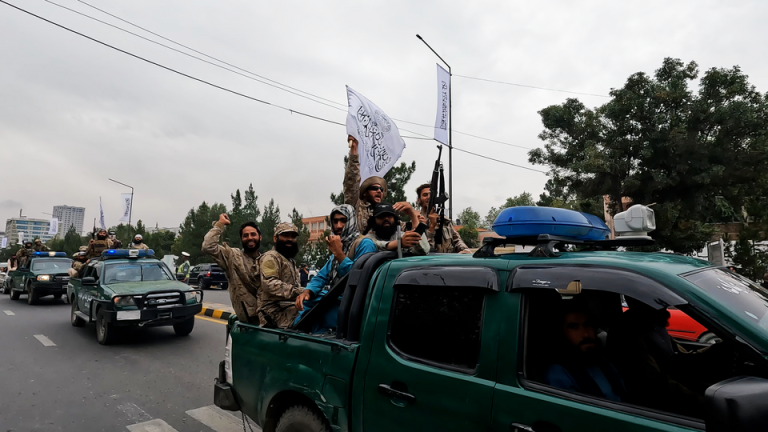
In this project, our collaborators ask two simple questions: why did the Afghan government fall in August 2021? And how did the international community and Afghanistan’s political elites fail? The eight articles in this collection offer different attempts to answer these questions.
A question that often comes up among PhD students is how to go from a conference or workshop to a special issue or edited volume. This post shares our experience of doing just that. (Hint: it involves a lot of emails!)
Step 1: Have an idea
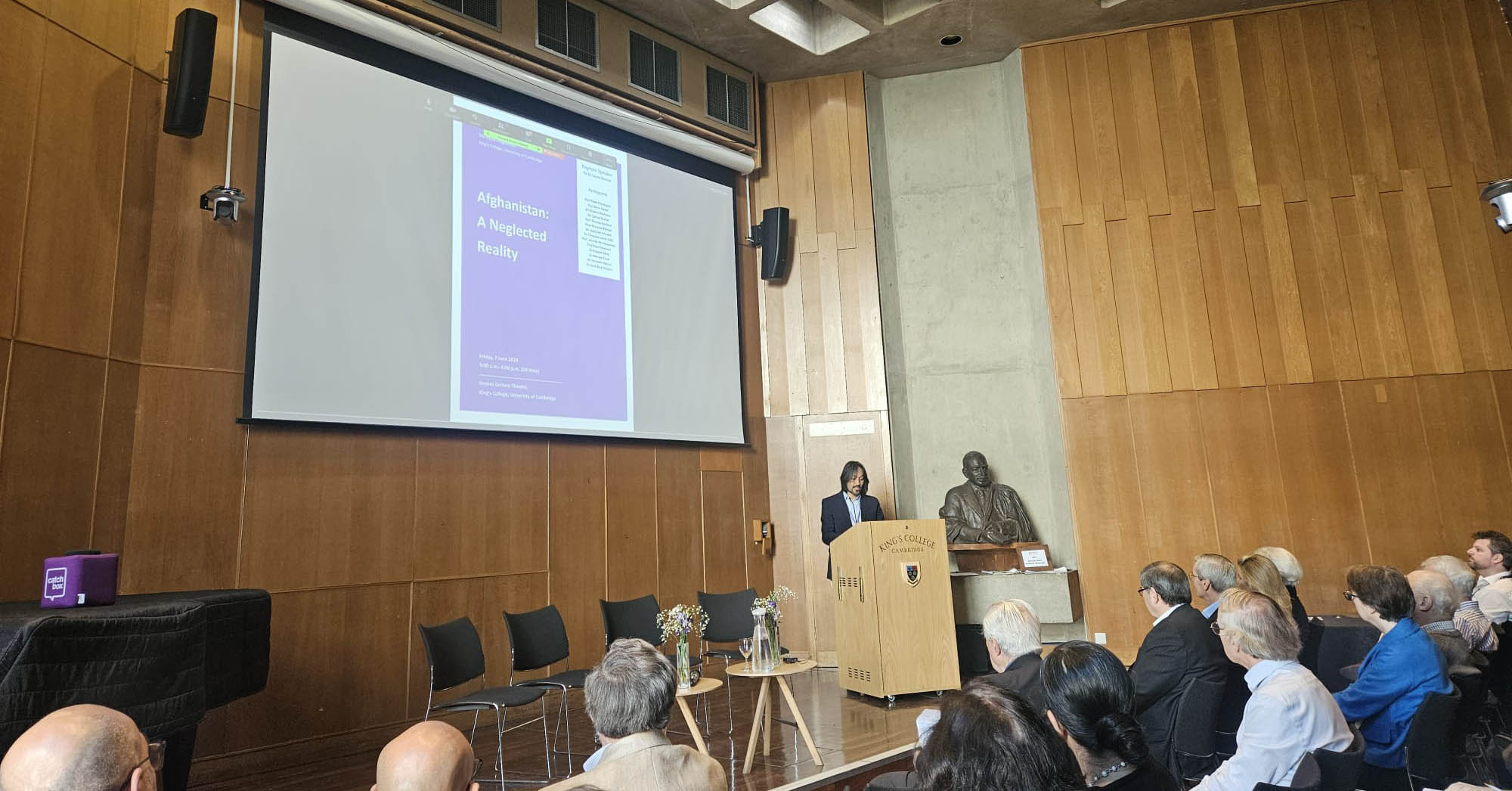
As elementary as it seems, the first thing you need for a conference or workshop is a good idea. What is a good idea? Anything that you feel particularly interested in or able to answer. The idea for this workshop came from a conversation between Reza and the late Basim Musallam over Friday lunch when they were having fish and chips. Reza had just arrived as a Research Fellow at King’s College, University of Cambridge in 2022. He and Basim discussed the cycle of state failure in Afghanistan since its creation in the late nineteenth century. What does the recurrence of state collapse tell us about the country and its politcila structure? Before the fish and chips were finished, Basim and Reza thought about the possibility of gathering various experts to discuss the tragedy that was the fall of Kabul, just a year before. The workshop/conference didn’t actually come to fruition for two years after this! So, keep all those ideas you have safely stored in a notebook somewhere.
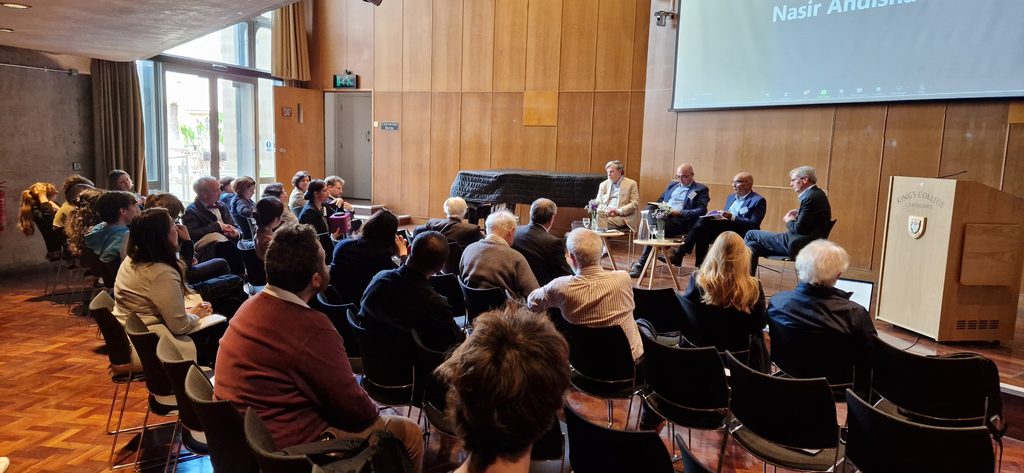
Step 2: Organise your workshop/conference
This one includes actually a lot more steps which I can’t go into here, but for the purposes of organising a special issue there are perhaps two things that will help. First, think about a workshop that you can manage, not a big conference. Think about the workshop description (themes, questions, requirements, logistics) and make a list of speakers who are familiar with them. This includes not just big-name academics but also younger scholars specially PhD students. The more the merrier, as some will inevitably cancel or want to present online, or simply not have the time to come up with an original contribution. Second, think of a thematic way to organise the speakers. In the case of this one-day workshop, Reza’s idea was to start the day with an external view of the events (including the reflection of the last British ambassador to Afghanistan) and then show an internal view (by historians and social scientists of Afghanistan, as well as those working in the government at the time of the fall). This structure helped guide our organisation of the volume.
Step 3: Take some time off from the project, but not too much
This step is crucial. Once you’ve sent off your thank you and congratulatory emails, take a break and work on something else. Reza is inexhaustible yet even he needed a few months off from thinking about the conference and logistics. You’ll need this in order to move on to the next phase, which is…
Steps 4 and 5 should happen simultaneously
Step 4: Start making inquiries with journals and book editors
You’ll need to reach out to editors with a book proposal to see if there’s interest in publishing a collaborative volume. There are many guides to writing book proposals but essentially what you need to include is an overview of the work along with the titles of each article you intend to include. Reza and some of the big names from our conference knew lots of people in publishing, but in the end timelines determined our options. That is, Fancy University Press may be interested in your topic but they have just published another book on a similar topic, or they may give you a slot in three years, or they may only have room for half of your contributors. This is where you need to discuss with your co-editors what your priorities are: Timely publishing? Keeping all the contributors? And so on.
Step 5: Become a regular in your contributors’ inbox
Remember how you gathered as many people as possible for the workshop? Now is the time to ask them if they would like to contribute to a special issue. I was surprised to find that the list of people who make it to the final list aren’t necessarily the same as in the conference. Some people simply don’t have time or interest in writing up their conference presentation. If you don’t have enough people, you can reach out to people who weren’t at your conference and ask if they’d be willing to write for you along the same lines. Some will return their paper to you within weeks, and some will take, well, a lot longer. You’ll need to master the art of politely following up with people.
Step 6: Organise the articles and write your introduction
This step is actually iterative because the list of contributors can change. We started off with the original idea of external/internal perspectives on the fall of Kabul, but when we looked at the final list of eight articles, we decided that the articles came in three parts. Part 1 included narratives of the fall of Kabul in August 2021. Part 2 looked at the failure of Afghan political elites (the internal view of the recent past). Finally, Part 3 looked at local governance in Afghanistan (the internal view of a longue durée past). Use this organisation to structure your introduction to the volume.
Step 7: Send the articles off for peer review
Once you have all your articles ready, you read them and note your comments and questions and then send them off for peer review. This process will depend on the journal, but it is essential that someone outside of your circle reads the papers and gives substantive edits. You then return the reviewed articles with notes to your contributors who make their changes as necessary. You also should provide them with the journal’s writing style guidance.
Step 8: Final edits
Once you have the reviewed and edited content, as the editor you make typographical and grammatical edits. You send this off to your publisher, in our case Edinburgh University Press, who puts a proof together with their edits. You have a final chance to go through and catch any changes, and voila! You’re on your way to being published!
Of course your own process will vary, but hopefully reading the steps above will help anyone looking to take on a special issue. Happy emailing!
About the authors
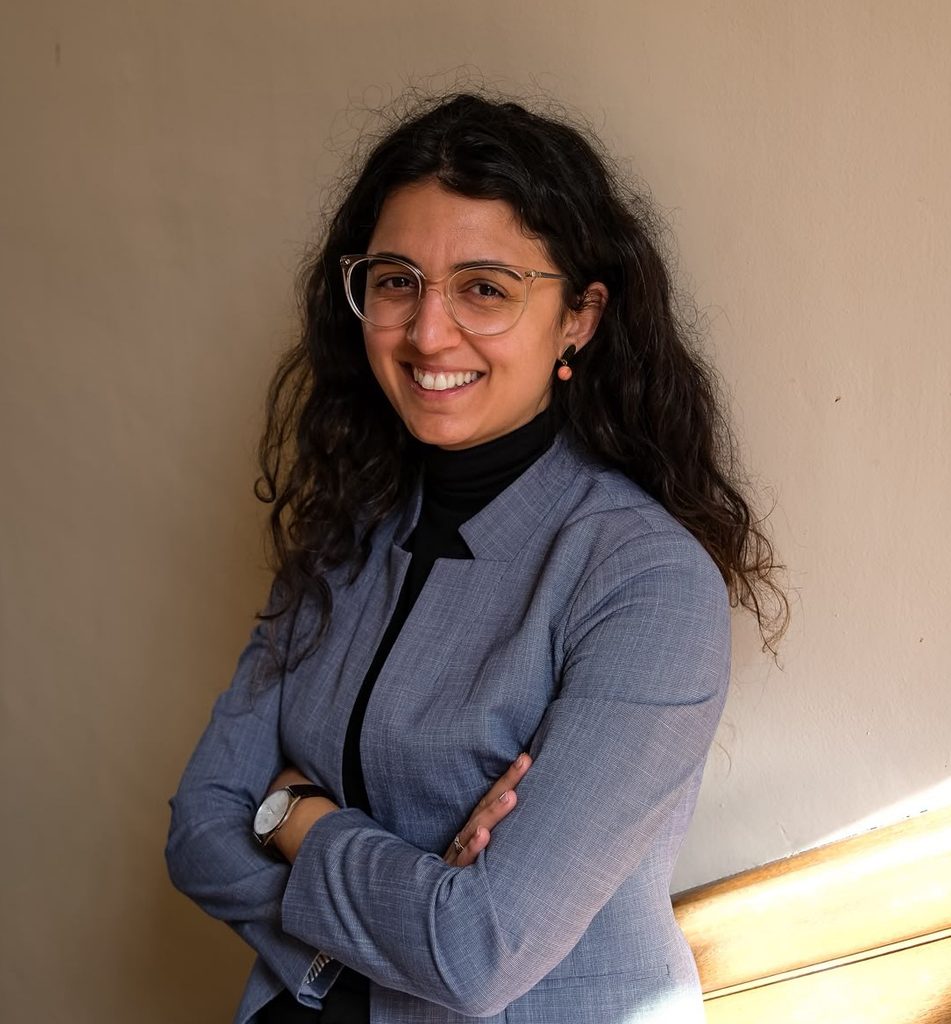
Hannah Hassani is a PhD student in the School of History and the Institute of Iranian Studies at the University of St Andrews. Her doctoral thesis examines the transformation of the Iranian bureaucracy between the Qajar and Pahlavi periods (ca. 1906–1966). Her research interests include the modern Middle East (from c. 1850 onward), administrative history writ large, and late modernisation. She holds two MPhils from the University of Cambridge: one in Middle Eastern Studies where she received the Soudavar Scholarship and was a Cambridge Trust Scholar, and the other in Economic and Social History. She completed her Bachelor’s in Economics and International Affairs (magna cum laude) at the George Washington University.
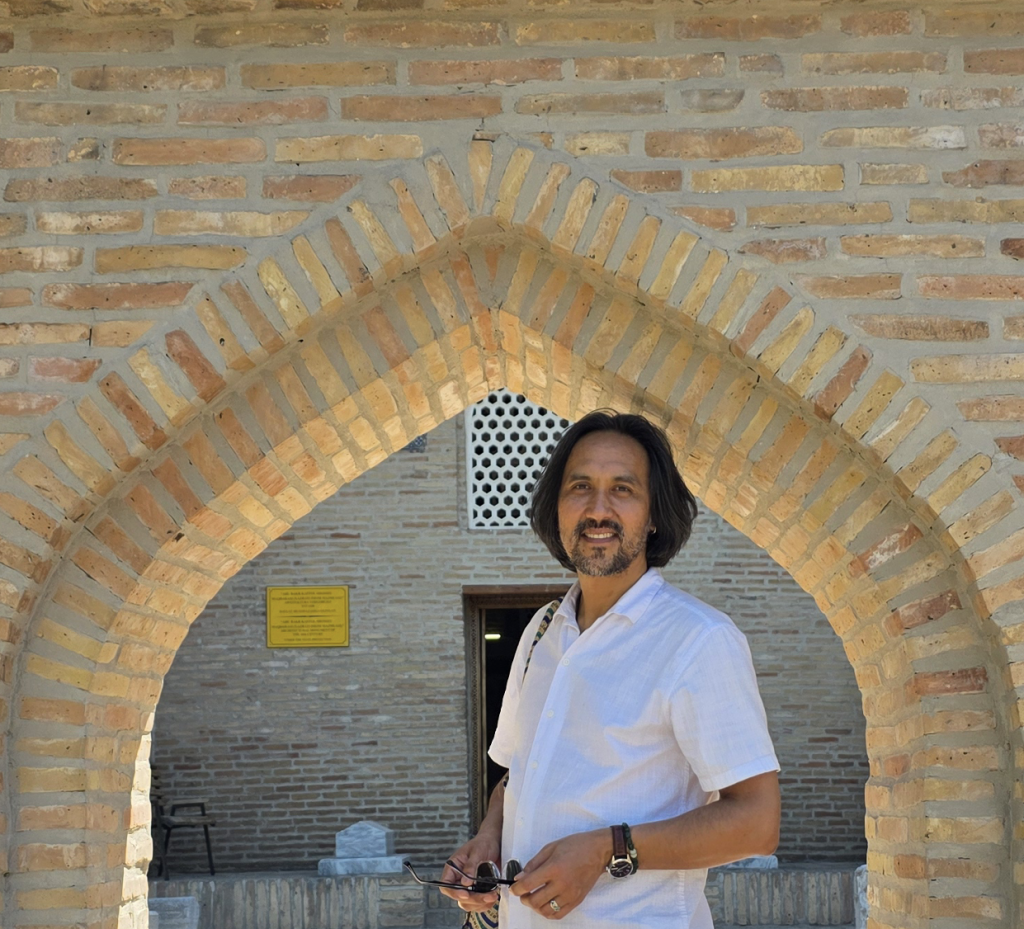
Said Reza Huseini specialises in Persianate and Islamic history, with a particular focus on the connected histories of Central Asia and North India from Late Antiquity to the early modern period. His research takes a longue durée and connected historical approach, drawing on a wide range of documentary and literary sources in Bactrian, Sogdian, Middle Persian, New Persian, and Arabic. He is particularly interested in tracing long-term patterns of intellectual, political, and cultural exchange across the Persianate world.
Reza graduated from Jawaharlal Nehru University in New Delhi, where he studied the history of medieval Central Asia and early modern India. He subsequently continued his studies at Leiden University, where he completed a second MA and wrote a thesis on millennialism in Mughal India. He later joined the European Research Council project Embedding Conquests at Leiden and completed his PhD on the eighth-century Arab conquests in Bactria.
More like this