Decolonizing the human: Beginning from Edward Said’s humanism

Benjamin P. Davis explores the influence of Edward Said on his novel reading of humanity in decolonial theory.



Benjamin P. Davis explores the influence of Edward Said on his novel reading of humanity in decolonial theory.

Peter Pál Pelbart reflects on his journey towards the philosophy of Gilles Deleuze, which began 40 years ago with a copy of Anti-Oedipus.

Discover five standout audio productions of Shakespeare's works, picked by Andrea Smith, author of Shakespeare on the Radio.

Enit K Steiner, the author of Contesting Cosmopolitan Moments in the Long Eighteenth Century, discusses the making of her book in this blog.

by Amy Norton It’s been more than six months now since I started the EUP Publishing Internship and what a rewarding experience it has been so far. I was certainly nervous at the beginning; this is my first office-based job…

Laura Ruiz de Elvira explores the role of charities in Bashar al-Asad’s Syria and, by extension, the eventual downfall of the regime.
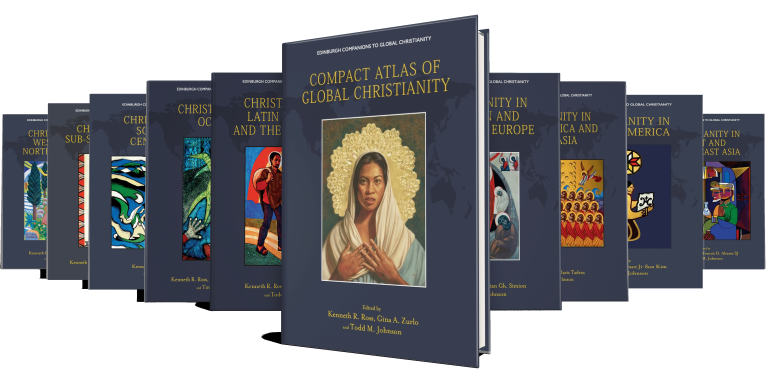
Kenneth Ross and Todd Johnson reflect on the process of conceptualising and editing the Edinburgh Companions to Global Christianity.

Claire Colebrook was dragged to Deleuze kicking and screaming, but she came to appreciate his difficult and disruptive work. Discover how.

Donald Adamson and Robert Yates on the revolutionary 'Moat Pit' of Sir George Bruce, and the global significance it brought to industry in Culross
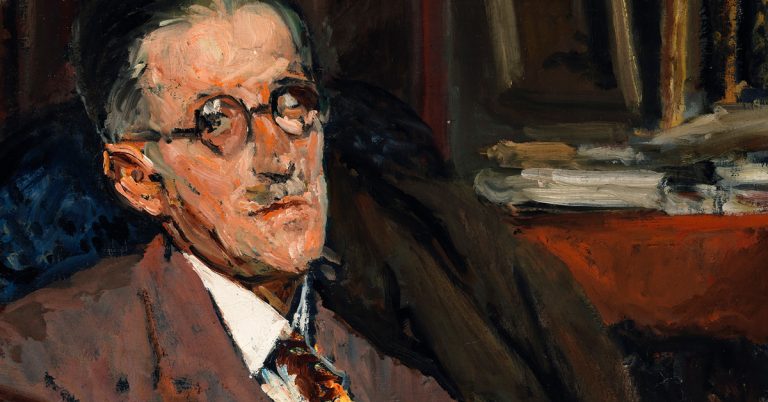
Richard Barlow and Paul Fagan discuss their exciting new essay collection on the work of Irish author James Joyce.