

By Benjamin Dalton
How do we engage with our metamorphic bodies and brains in ways which resist social and political violences and instead nurture organic forms of freedom, emancipation, community, and even pleasure and joy?
Tell us a bit about your book.
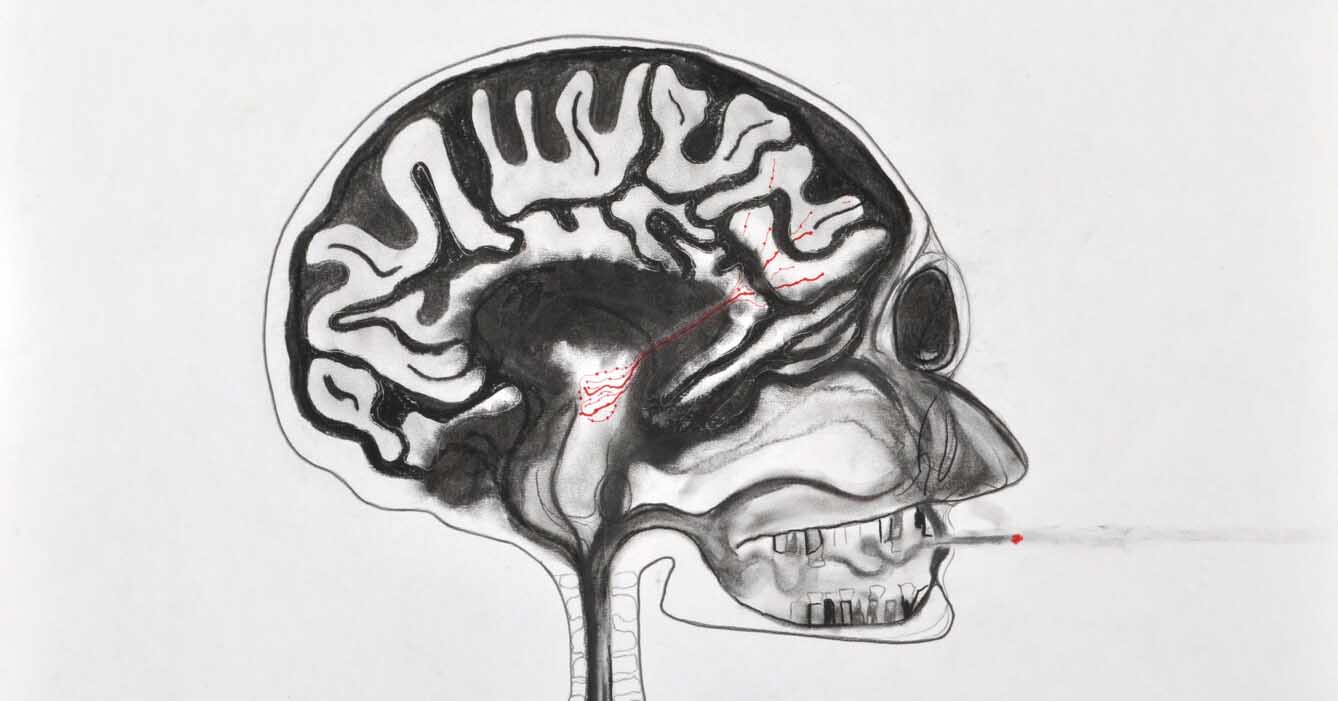
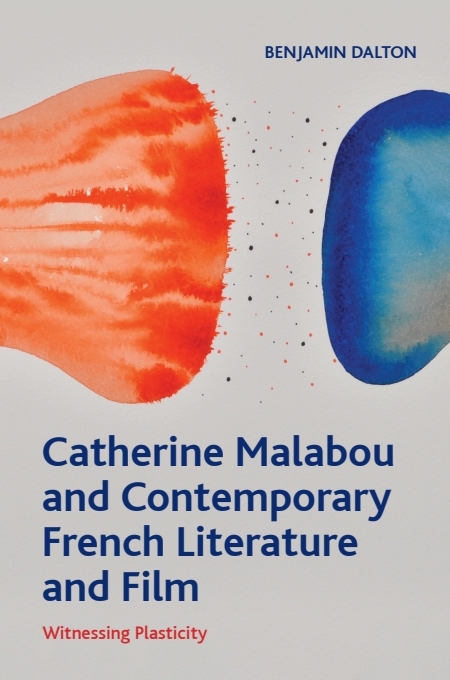
My book is about the work of the contemporary French philosopher Catherine Malabou and her elaboration of the concept of plasticity. Plasticity explores how we transform, change and metamorphose throughout life, in our minds, our bodies and in our relationships with other beings, environments and worlds beyond us. Malabou, in my view, is one of the most exciting and important thinkers writing today at the intersections of philosophy and science. Her theorization of change and transformation is not bound to any one discipline, but ventures through philosophy, neuroscience, psychoanalysis, gender studies, feminist and queer thought. Her work is perhaps most famous for its dialogues with neuroscience and research on neuroplasticity, which describes the ways in which the brain is constantly changing and shaping itself throughout life. Malabou shows us that the powers of mutability and transformability are at work within our very DNA, typified by the fact that our brains—perhaps the most intimate locus of our identity, everything that makes us ‘us’—are innately plastic: We are always changing, sometimes in beautiful and joyous ways, other times in terrifying, unexpected, pathological, deathly ways.
We can so often be terrified of change and try to cling to ideas of stasis or consistency, but I argue in my book that we need to take the lead from Malabou’s philosophy in looking for, bearing witness to, caring for and even taking joy in the forms of radical, unpredictable plasticity and transformation exhibited by our bodies, brains and worlds. In particular, I’m interested in how literature and film, and literary and filmic representations of bodies in mutation, can help us to learn to bear witness to forms of plasticity, understanding what transformation means for us and how we can embrace such plasticity for freedom.
What inspired you to research this area?
I first came across the work of Catherine Malabou during my master’s degree. I was really interested in French and Francophone philosophies and theories of the body (particularly queer and feminist theories as well as theories about how bodies change or mutate) and was searching in particular for writing on the materiality of the body. I wanted to know how mutability and transformability manifests in bodies in organic, material and even biological ways. My supervisor at the time, Dr Amaleena Damlé (whose own brilliant EUP book The Becoming of the Body looks at embodiment in literature and theory), recommended that I have a look at Malabou’s work. The first book of Malabou’s I read—I think around Christmas 2014, —was What Should We Do With Our Brain? (2005). This was utterly transformative for me. It opened me up to the power of bringing philosophy into dialogue with neuroscience. I found the idea of the plasticity of the brain very poignant and empowering. I also loved the rebellious spirit of Malabou’s approach to neuroscience and to the brain: her work is encouraging us to use our brains against the grain, to push back against the forms of subjectivity or productivity expected of us under late capitalism and be creative and daring.
What was the most exciting thing about this project for you?
The most exciting thing about this project has to have been getting to meet and take inspiration from the wonderful community of people around the world working on Malabou’s work. Some highlights include meeting and engaging with the work of Carolyn Shread, the translator of many of Malabou’s works, and a theorist of plasticity in relation to translation; interviewing Malabou herself at the University of California, Irvine; and from my research in more practical arenas with neuroscientists from the Maurice Wohl Clinical Neuroscience Institute and with the London-based ceramicist Amanda Doidge as part of an engagement project titled ‘Narrating Plasticity: Stories of Transformation between the Plastic Arts and Neurosciences’. I’ve been humbled and inspired by the sheer energy, generosity, hopefulness and sense of joy among the community of Malabou and plasticity scholars. It’s been such an adventure!
Did your research take you to any unexpected places or unusual situations?
Around the time I started researching Malabou and (neuro)plasticity, my research on the brain became suddenly and unexpectedly very personal when I discovered that I had a benign brain tumour. It was a strange, whirlwind moment at the start of my PhD. I had been out on a date following an end of term meet-and-greet with other PhD students, was attacked in a homophobic incident and taken to hospital with concussion where, following a CT scan, it was found—completely by accident!—that I had a benign brain tumour blocking the aqueduct of Sylvius in my brain, causing hydrocephalus. I talk about this very briefly end the end of my book. To cut a long story short, I had surgery to re-route the blocked fluid in my brain and now have an annual check-up scan to keep an eye on the tumour. I’ve been so lucky not to have experienced any adverse symptoms from the tumour and to have received such amazing care from my consultant Mr Bassel Zebian and the rest of the neurosurgery team King’s College Hospital in London. I’ve always found it intriguing how my research on plasticity and brains has been accompanied from the beginning by this very personal encounter with my own brain—and I always talk to my consultant about my work when I see him for my regular check-up. I hope to send him a copy of my book!
What’s next for you?
My work continues to explore dialogues between contemporary French thought and the biomedical sciences. I’m particularly interested here in how contemporary French thought and art approaches the hospital as an institution and as a place of healing, and how French philosophy might even help us to transform the hospital and imagine the healthcare environments of the future. I’ve already written about how Malabou’s work can help us to reconceptualize hospital architectures, among other philosophers. I’m also very much enjoying collaborating with the amazing company MADE For Health, who have a mission to revolutionalize future hospital design by putting clinicians and patients at the heart of the process. Additionally, I am working on the project ‘The Queer Lives of The Hospital’ with colleagues at Lancaster University, which explores how hospitals can be more inclusive to LGBTQIA+ patients and healthcare workers.

About the author
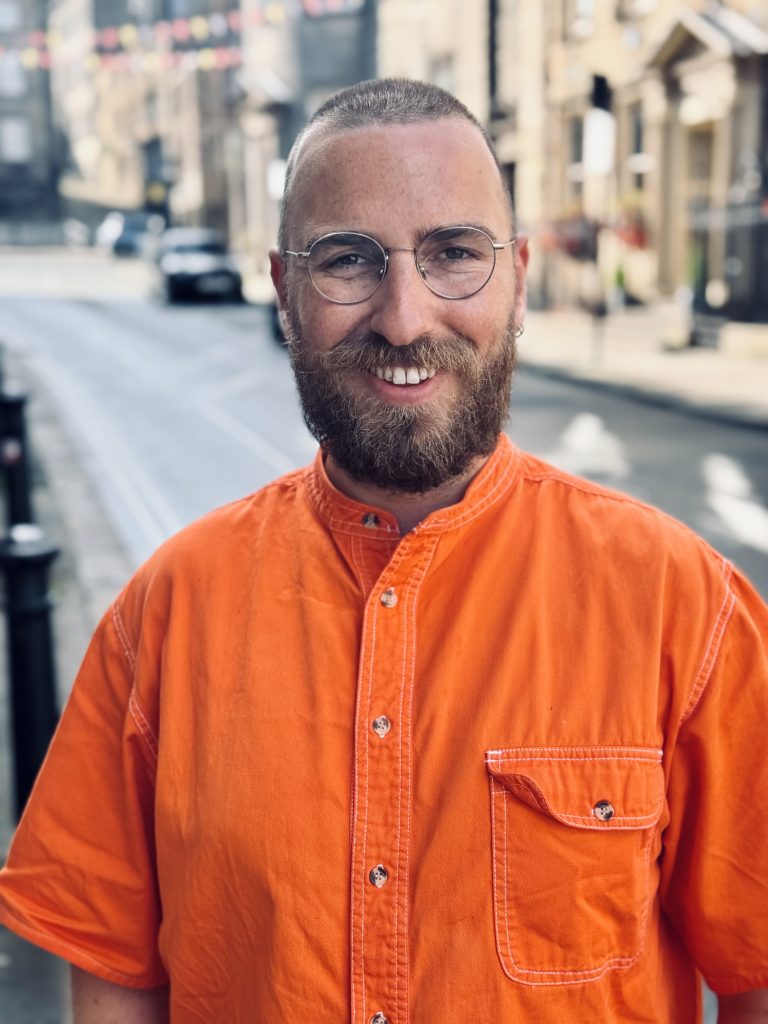
Benjamin Dalton is Lecturer in French Studies in the School of Global Affairs at Lancaster University. His work explores how contemporary French literature, film, and philosophy explore diverse biomedical and healthcare contexts and undertake to re-imagine clinical environments and approaches to health. He has published on approaches to hospitals and healthcare environments in Anne Dufourantelle, Jean-Luc Nancy, Catherine Malabou, Paul B. Preciado, and Katell Quillévéré. He has also published widely on the work of Malabou and her conceptions of plasticity.