

by Peter Turner
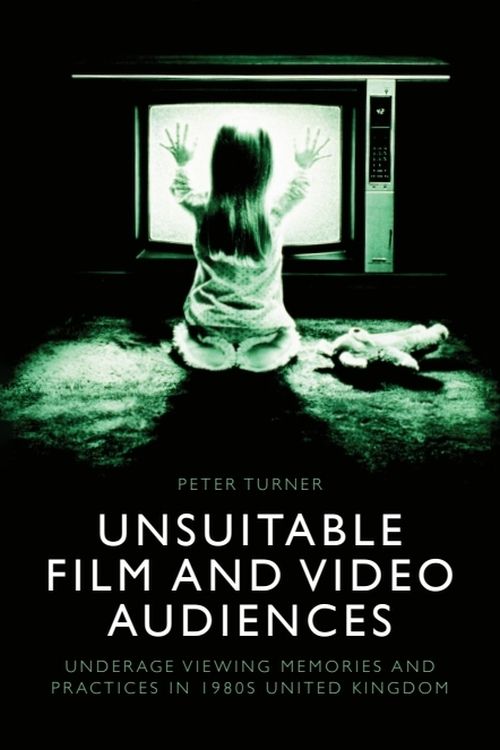
Investigates the memories of the first children of the video generation about watching films that the BBFC deemed unsuitable for them
Tell us a bit about your book.
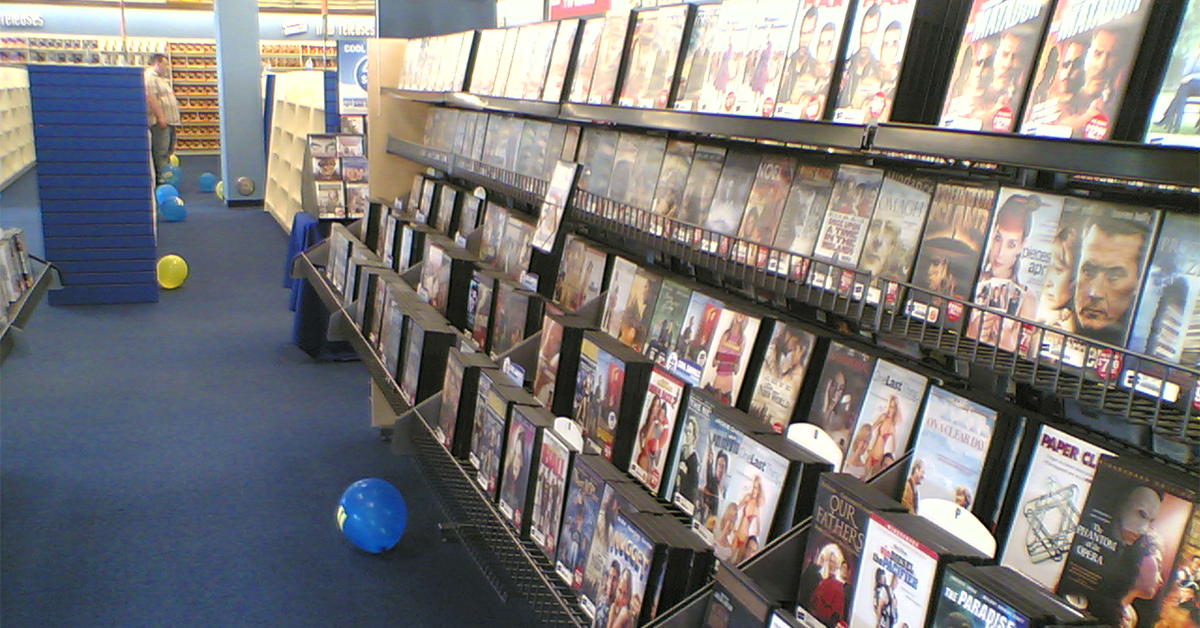
This book has been six years in the making since I originally wrote a questionnaire and recruited 300 participants to respond. I asked British people for their 1980s video memories of watching what the BBFC deemed ‘age-inappropriate’ films, including the official list of ‘video nasties’ that became so infamous in the era. The book challenges the narrative that children were simply passive victims of the films they saw, and goes some way to showing their agency and the sophisticated ways they responded to the films. I call my respondents Early Engagers with Restricted Entertainment and interrogate this as a concept, while applying a New Cinema History approach to domestic video viewing.
What inspired you to research this area?
When I was around 10 years old, I was lucky enough to be treated to three films that were considered age-inappropriate: A Nightmare on Elm Street, The Terminator and Robocop. I was a little traumatised by some of the sadistic violence in Robocop, terrified by Freddy Kruger invisibly obliterating a young woman in her sleep and utterly thrilled by James Cameron’s sci-fi horror masterpiece. Without these 1980s video memories, I don’t think I’d have fallen in love with films as hard as I did, and so I probably wouldn’t be writing this book. Fast forward 30 years and I became a parent as I was beginning this project in 2020 so I was immediately thinking about when I could share some of my favourite films with my son. Meanwhile Prano-Bailey Bond’s Censor was being released exploring the impact of video nasties on the BBFC censors. I decided that this era was ripe to explore the lived experiences of child audiences in relation to uses of media and their possible effects.
What was the most exciting thing about this project for you?
Reading the 1980s video memories of 300 people who had similar experiences to my own was a constant delight. I was very lucky that Empire Magazine film journalist Helen O’Hara retweeted my call for participants so the call was seen by thousands of Twitter users. Not only this, but the participants included filmmakers, film journalists, podcasters, writers, composers and academics so I was delving into the memories of many people whose lives and careers have revolved around films, like myself. It was fascinating to see the contrast between the moral panic rhetoric of the time and the actual childhood experiences of so many people.
Did you discover anything particularly strange or surprising?
It was incredible to see how particular films had stuck in the memories of participants for 30-40 years. I was also fascinated to read people’s memories of mobile video van vendors who went from door to door, renting films to families and then returning to pick them up a week later. I had never heard of this, but quite a few people said this is how they accessed age-inappropriate and even pirate copies of banned films.
Did you get exclusive access to any new or hard-to-find sources?
I received 300 detailed questionnaires and then conducted 30 interviews during the COVID pandemic over Zoom. Some of the participants now live overseas in places including Nova Scotia and Singapore. This oral history approach provided qualitative depth with 1980s video memories as primary sources.
Did your research take you to any unexpected places or unusual situations?
I wish! With no budget for travel, I was profoundly grateful that so many people now had access to Zoom and I could interview international participants. Despite concerns, I felt the online interviews allowed for some intimacy and I was aware of potential issues with gender dynamics. 70% of the initial sample was male, but when interviewing, I ensured there was a 50/50 split along gender lines. It was also interesting to consider how Twitter and film fan networks likely affected the sample as I saw how and who shared the call for participants.
Has your research in this area changed the way you see the world today?
I always had a fairly nuanced appreciation of children’s media consumption, but conducting this research has made me consider parallels with current children’s media consumption and concerns around digital content. It has also helped me to understand how childhood experiences with age-inappropriate films can be integral in shaping our adult identities. I continue to recognise that there is a careful balance required between protection and autonomy and am looking forward to negotiating this with my own children.
What’s next for you?
I’d love to conduct a similar project with today’s youth, comparing their experiences with 1980s video memories. A comparative study that considers how the current streaming and social media environment has changed media consumption and how young people feel about what they see on their screens would be an exciting next step.
About the author

Dr Pete Turner is a senior lecturer in Digital Media Production at Oxford Brookes University. Pete is the author of The Blair Witch Project for the Devil’s Advocates series, as well as Found Footage Horror Films: A Cognitive Approach for Routledge.