

Skip to content
  • Cultural Studies
    • French Studies
    • Gender Studies
    • Irish Studies
    • Film and TV
    • Theatre and Dance
    • Islamic and Middle Eastern Studies
  • History
    • British History
    • Classics and Ancient History
    • Cultural History
    • Natural History
    • Religious History
    • Scottish History
    • World History
  • Language and Literature
    • Modernism
    • Literary Theory
    • Pre 19th Century Literary Studies
    • Post 19th Century Literary Studies
    • Scottish Literature
    • Atlantic Literature
    • Linguistics
  • Law
    • Comparative Law
    • European Law
    • Islamic Law
    • Roman Law
    • Scots Law
  • Politics, Philosophy and Religion
    • Religion
    • Philosophy
    • Politics
    • Political Philosophy
    • Scottish Politics
    • Film Philosophy
  • Publishing

  • About Us
  • Journals
  • Books
  • SUBSCRIBE TO OUR BLOG
Edinburgh University Press Blog

No results
  • Cultural Studies
    • French Studies
    • Gender Studies
    • Irish Studies
    • Film and TV
    • Theatre and Dance
    • Islamic and Middle Eastern Studies
  • History
    • British History
    • Classics and Ancient History
    • Cultural History
    • Natural History
    • Religious History
    • Scottish History
    • World History
  • Language and Literature
    • Modernism
    • Literary Theory
    • Pre 19th Century Literary Studies
    • Post 19th Century Literary Studies
    • Scottish Literature
    • Atlantic Literature
    • Linguistics
  • Law
    • Comparative Law
    • European Law
    • Islamic Law
    • Roman Law
    • Scots Law
  • Politics, Philosophy and Religion
    • Religion
    • Philosophy
    • Politics
    • Political Philosophy
    • Scottish Politics
    • Film Philosophy
  • Publishing
  • Shame in Contemporary You-Narration: Q&A with the author

    Denise Wong discusses Shame in Contemporary You-Narration, exploring second-person storytelling, shame, temporality, and narrative experimentation across literature and media.

    February 11, 2026
    Read more: Shame in Contemporary You-Narration: Q&A with the author

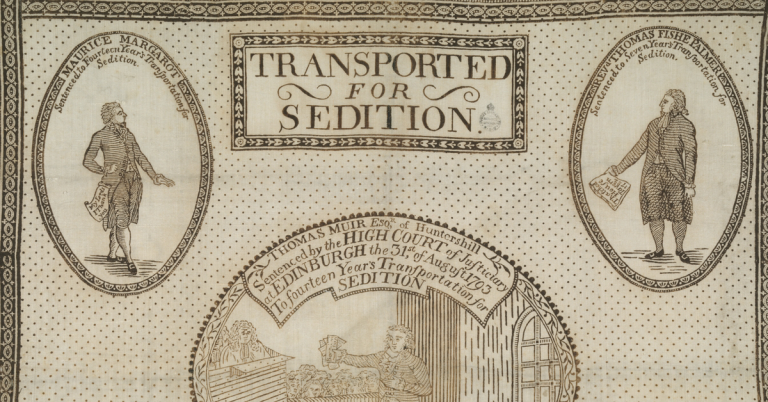
A sepia-toned 18th-century printed broadside titled “TRANSPORTED FOR SEDITION.” The design features ornate borders and three oval engravings of men in period clothing holding papers. Text around the portraits names individuals convicted of sedition and sentenced to transportation (penal exile), including references to courts and dates in the early 1800s. The overall style is decorative and historical, resembling a political or legal proclamation from Britain.

The Scottish Martyrs and the antagonisms between Scots Law and British penal practice

Editors introduce their article on the Scottish Martyrs, which was the runner up in the SHR’s inaugural Early Career Researcher prize (Published in the journal’s December 2025 issue)

  • Edinburgh University Press
  • February 12, 2026
A circular sheep stell (shelter) at Wagmore with Morven hill behind

Langwell, Caithness: an exemplar of the Highland economy

William Parente explores the challenges faced by Highland communities in the time of the Clearances

  • Edinburgh University Press
  • October 8, 2025

Professionalisation and the New Woman: Q&A with Riya Das, editor of the critical edition of Mona Caird’s The Daughters of Danaus

Riya Das discusses the making of her fully annotated edition of Mona Caird’s immensely successful novel, The Daughters of Danaus.

  • Edinburgh University Press
  • August 29, 2025
John Swinney with the Mayors of Liverpool City Region and Greater Manchester. Swinney is standing in the middle, with the mayors either side. They are all smiling and looking straight ahead.

Does Scotland need regional mayors?

David Clelland discusses the case for Scottish regional mayors, and whether this would address the country's need for place-based powers.

  • Edinburgh University Press
  • August 18, 2025

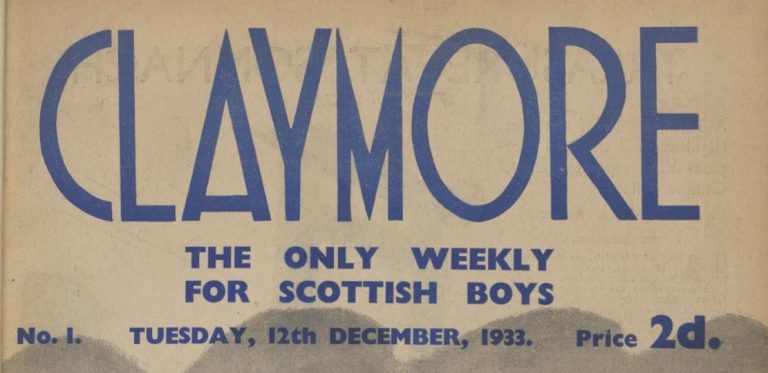
Strengthening Scottish Identity in the 1930s

Duncan Sim on the founding of the Claymore magazine and its impact on Scottish identity

  • Edinburgh University Press
  • August 12, 2025
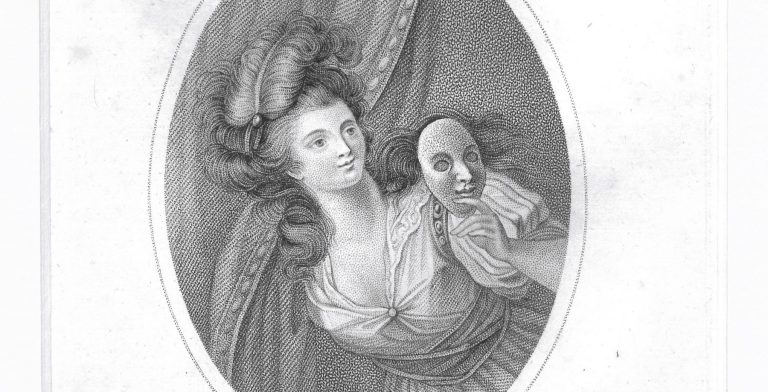
Black and white illustration of a woman in a dress, with long hair and a feather fascinator. She is looking out from behind a curtain and holding a theatre mask.

Five Reasons to Discover George Anne Bellamy

Caroline Breashears introduces the theatre star and political insider who may have influenced one of the greatest 18th century philosophers

  • Edinburgh University Press
  • May 13, 2025
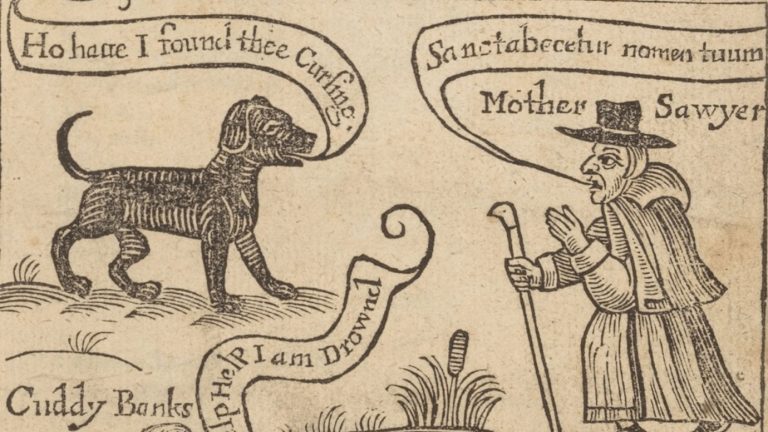
A woodcut image of a dog and a 'witch' taken from an early modern play.

Man’s best friend? Sniffing out dogs in the records of early modern Scotland

From royal gifts to diabolic manifestations, Nicole Maceira Cumming explores the varied ways dogs appear in the historical record

  • Edinburgh University Press
  • May 12, 2025
Landscape view looking out across a large body of water. Land is just visible on the horizon, there is a line of trees on the shore, and in the immediate foreground there is a rough stone wall.

New Gaelic Speakers in Nova Scotia and Scotland: A Q&A with Stuart Dunmore

Stuart Dunmore discusses his motivations for researching new Gaelic speakers, and the incredible places and experiences this led to.

  • Edinburgh University Press
  • March 27, 2025
  • 1 Comment
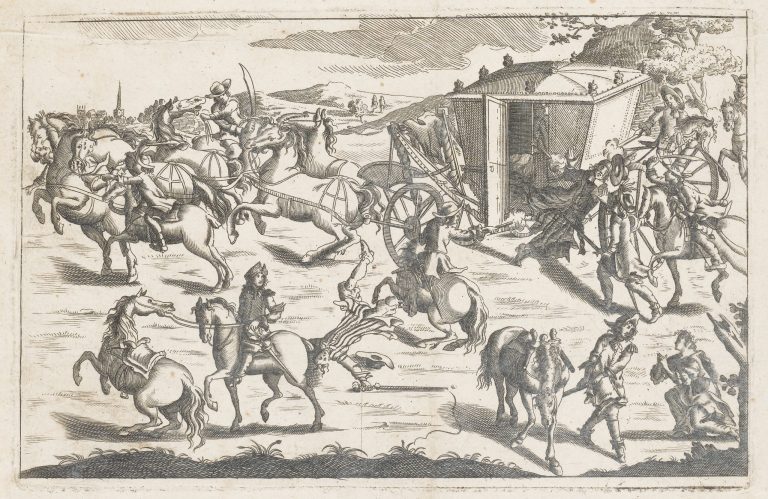
Black and white line drawing showing a chaotic scene with several horses, riders and a carriage on grass. The riders are fighting with each other, some holding guns or swords.

Echoes of Infamy: Four Notorious Crimes of Late Seventeenth-Century Scotland

Allan Kennedy gives an introduction to criminality in 17th-century Scotland with four infamous crimes.

  • Edinburgh University Press
  • March 20, 2025
1 2 3 4
Next

Popular Posts

Shame in Contemporary You-Narration: Q&A with the author

Q&A with Dr Beth Williamson: A Cultural Biography of William Johnstone

A sepia-toned 18th-century printed broadside titled “TRANSPORTED FOR SEDITION.” The design features ornate borders and three oval engravings of men in period clothing holding papers. Text around the portraits names individuals convicted of sedition and sentenced to transportation (penal exile), including references to courts and dates in the early 1800s. The overall style is decorative and historical, resembling a political or legal proclamation from Britain.

The Scottish Martyrs and the antagonisms between Scots Law and British penal practice

Stone statue viewed from behind beneath tall Gothic arches and dark stone columns, framing a bright blue sky with clouds

The Future of Scottish Higher Education

5 Things You Didn’t Know about Milton and Disability

Subscribe To Blog Via Email

Enter your email address to subscribe to this blog and receive notifications of new posts by email.

Copyright © 2026 - Edinburgh University Press | All Right Reserved. | Privacy Policy