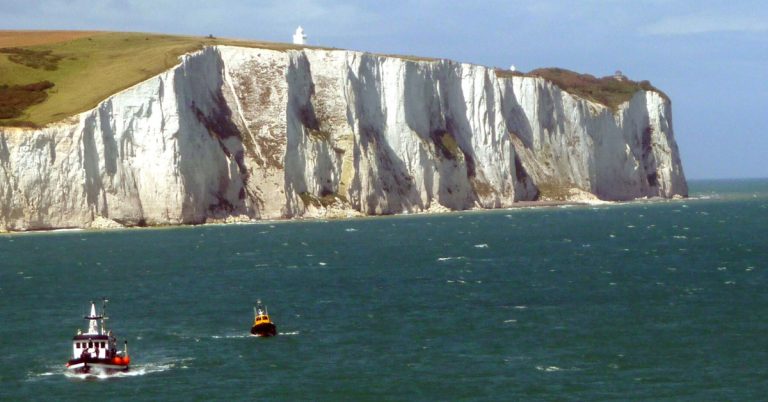
Freedom and the Sea
What is the point of the connection between sea power and liberty?


What is the point of the connection between sea power and liberty?
Anglophone literary criticism has over the last decade engaged in a searching analysis and critique of its own methods. Perhaps surprisingly, much of that debate has considered *how* one should engage in literary interpretation—whether one should read closely or from a distance, interpret in a paranoid or reparative way, emphasize the work’s surface or depth, engage in “critique” or some other mode of attachment—and rather less *why*. But we might benefit from asking that question more openly: what, after all, is the point of literary criticism? Why does this practice merit the sustained intellectual energy so many scholars have devoted to it?
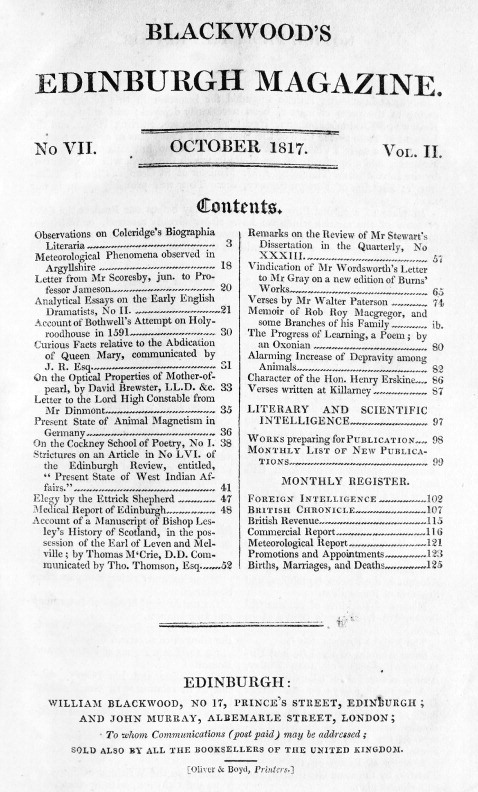
By Robert Morrison An extract from Romanticism, Volume 23.3, October 2017 1817 was a remarkable year for British Romanticism John Keats published his first volume of Poems. Thomas Moore produced Lalla Rookh, Percy Shelley Laon and Cythna, Felicia Hemans Modern…