-
Q&A with the author of Performing Worlds at the Baroque Court of Christine of France
Read more: Q&A with the author of Performing Worlds at the Baroque Court of Christine of FranceThis interview explores how Christine of France used Baroque court spectacles to shape political authority, global imagination, and cultures of consumption.

Christians and Muslims: Friends or Foes?
Read on to explore the details behind writing the first and second edition of the fascinating study looking at the history of the relationship between Christians and Muslims – A History of Christian-Muslim Relations by Hugh Goddard. Twenty years ago…

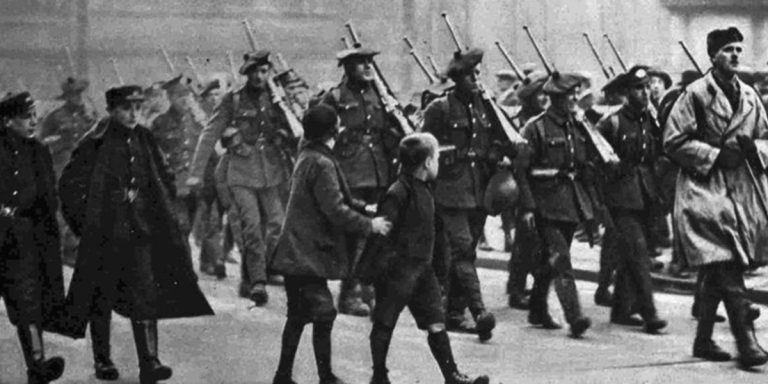
“There’s a lot of mythology about these events”: unreliable narrators of the Battle of George Square
Last year, near the centenary, Scottish Affairs published my article about the mythology surrounding the so-called ‘Battle of George Square’ on 31 January 1919. This followed another paper published shortly before, summarising the results of my searches in the archives.…

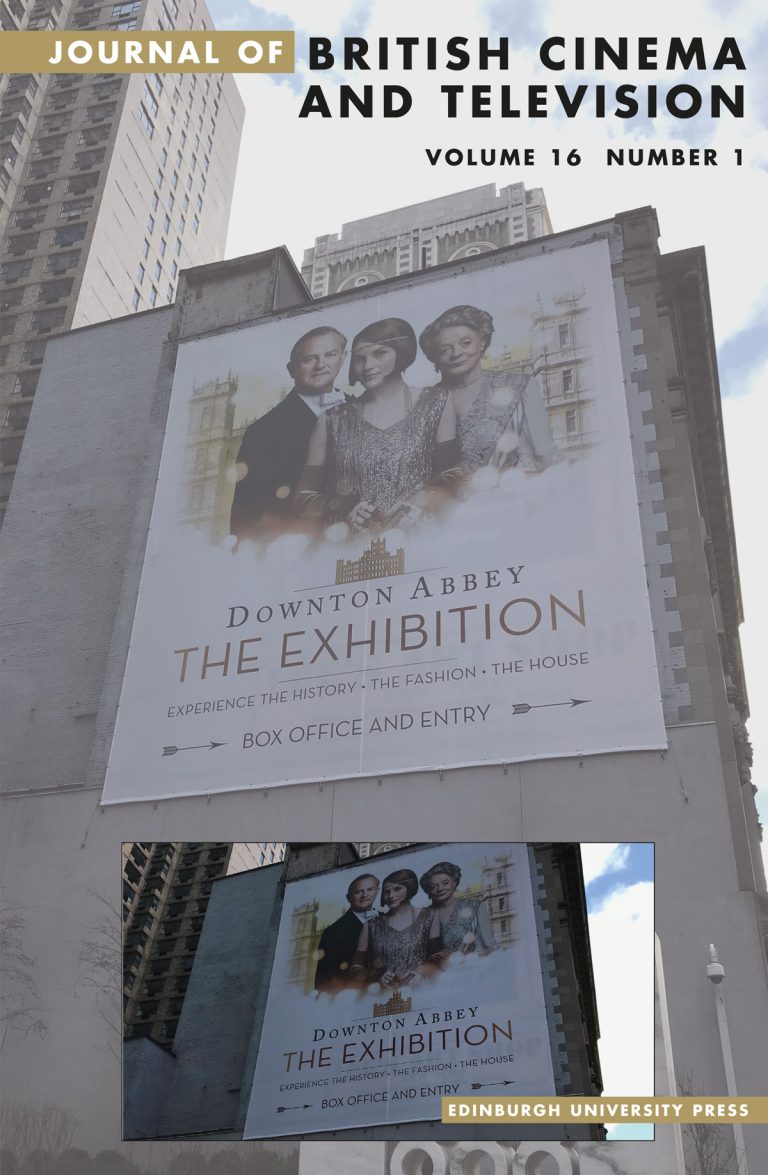
Doing History in the Age of Downton Abbey
Julie Anne Taddeo As the most watched period drama in television history, Downton Abbey has met with popular success but not always critical acclaim. Historians in particular have criticized what they see as the series’ conservative politics and nostalgic view…

Does the British government learn from the history of military interventions?
From Iraq to Libya, Louise Kettles asks whether the UK has learned to learn from its past mistakes in Middle-Eastern military interventions.

Ninteenth-Century Local Governance in Ottoman Bulgaria
An account of how bureaucratic procedures created the space for political conflict and slander in nineteenth-century Ottoman Bulgaria and what can we learn from studying them. Why would a district head administrator arrest mules, or someone slander a governor with…

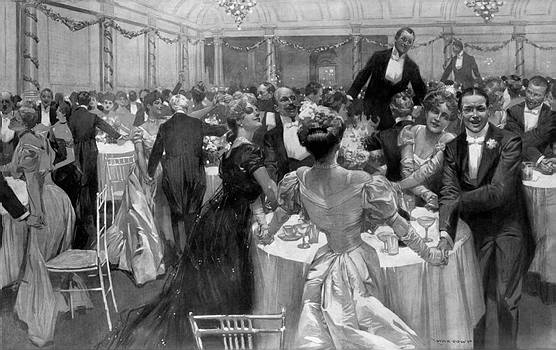
Q&A with Stephen Bowman, Author of The Pilgrims Society and Public Diplomacy, 1895–1945
Tell us a bit about The Pilgrims Society and Public Diplomacy, 1895–1945 My book is about the Pilgrims Society, which is an elite dining club that was founded in London in 1902 and in New York in 1903. Not many…

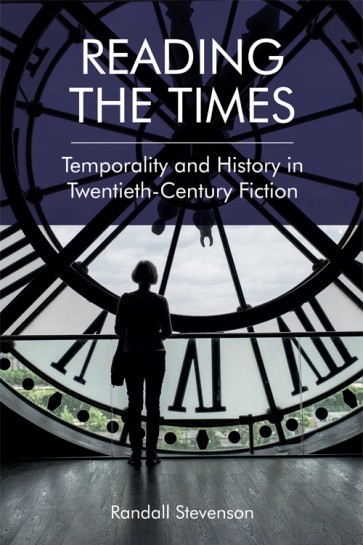
Reading the Times: Temporality and History in Twentieth-Century Fiction
By Randall Stevenson On Bastille Day, 2000, why did 3 million people sit down to a picnic lunch along a line carefully set out across the whole of France, from north to south? Mostly, to remember and celebrate the Paris…

An Intricate Transatlantic Triangle: US, UK and German Relations
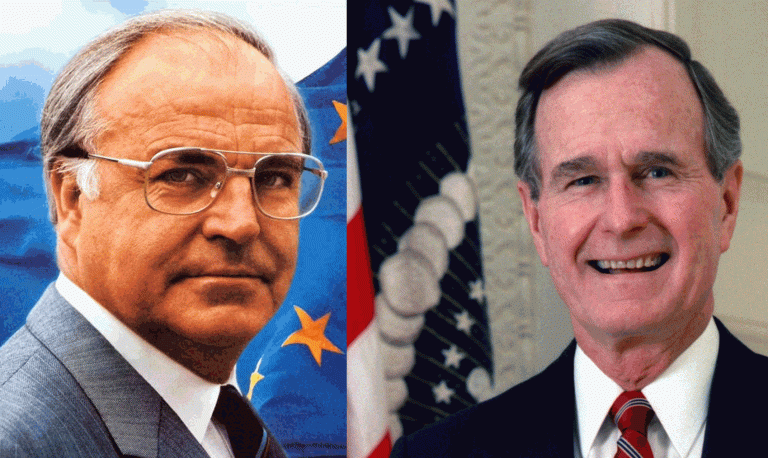
Since the Federal Republic of Germany’s admission into NATO in 1955, German–American relations have been a cornerstone of transatlantic and European security and stability. Both Washington and pre-unification Bonn championed liberal democracy, free trade and fundamental civil and human rights.…

Judging a book by its cover: designing ‘The World of Image in Islamic Philosophy’
Can the contents of an academic book be expressed by means other than words? In centuries past, it was common for a book to have a lavishly illustrated cover which, through signs and symbols, informed the prospective reader what the…