

Skip to content
  • Cultural Studies
    • French Studies
    • Gender Studies
    • Irish Studies
    • Film and TV
    • Theatre and Dance
    • Islamic and Middle Eastern Studies
  • History
    • British History
    • Classics and Ancient History
    • Cultural History
    • Natural History
    • Religious History
    • Scottish History
    • World History
  • Language and Literature
    • Modernism
    • Literary Theory
    • Pre 19th Century Literary Studies
    • Post 19th Century Literary Studies
    • Scottish Literature
    • Atlantic Literature
    • Linguistics
  • Law
    • Comparative Law
    • European Law
    • Islamic Law
    • Roman Law
    • Scots Law
  • Politics, Philosophy and Religion
    • Religion
    • Philosophy
    • Politics
    • Political Philosophy
    • Scottish Politics
    • Film Philosophy
  • Publishing

  • About Us
  • Journals
  • Books
  • SUBSCRIBE TO OUR BLOG
Edinburgh University Press Blog

No results
  • Cultural Studies
    • French Studies
    • Gender Studies
    • Irish Studies
    • Film and TV
    • Theatre and Dance
    • Islamic and Middle Eastern Studies
  • History
    • British History
    • Classics and Ancient History
    • Cultural History
    • Natural History
    • Religious History
    • Scottish History
    • World History
  • Language and Literature
    • Modernism
    • Literary Theory
    • Pre 19th Century Literary Studies
    • Post 19th Century Literary Studies
    • Scottish Literature
    • Atlantic Literature
    • Linguistics
  • Law
    • Comparative Law
    • European Law
    • Islamic Law
    • Roman Law
    • Scots Law
  • Politics, Philosophy and Religion
    • Religion
    • Philosophy
    • Politics
    • Political Philosophy
    • Scottish Politics
    • Film Philosophy
  • Publishing
  • Shame in Contemporary You-Narration: Q&A with the author

    Denise Wong discusses Shame in Contemporary You-Narration, exploring second-person storytelling, shame, temporality, and narrative experimentation across literature and media.

    February 11, 2026
    Read more: Shame in Contemporary You-Narration: Q&A with the author

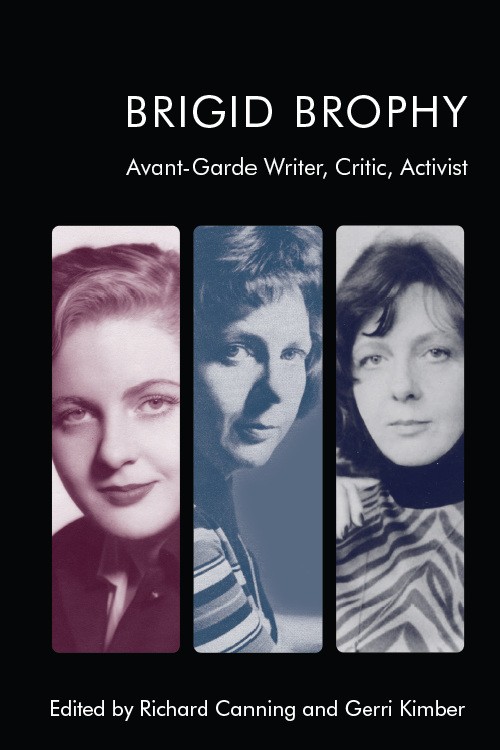
Brigid Brophy: Writer, Critic, Activist

  • Language and Literature / Post 19th Century Literary Studies

Richard Canning explores Brigid Brophy's thoughts on feminism and a woman's place in society.

  • ByCarla Hepburn
  • OnJune 15, 2020

Brigid Brophy: Writer, Critic, Activist

  • Language and Literature / Post 19th Century Literary Studies / Uncategorized

In this second part of a four part blog series, Richard Canning discusses Brigid Brophy as a critic but also her want to entertain.

  • ByCarla Hepburn
  • OnJune 12, 2020

Brigid Brophy: Writer, Critic, Activist

  • Language and Literature / Post 19th Century Literary Studies

Richard Canning explores Brigid Brophy in a series of blog posts for EUP.

  • ByCarla Hepburn
  • OnJune 11, 2020

The comforts of mystery

  • Cultural Studies / Language and Literature / Post 19th Century Literary Studies

By Thomas Leitch Mystery and detective stories have always been my comfort-food reading. From the time I was weaned away…

  • ByTeri Williams
  • OnJune 10, 2020
  • 2 Comments

Staging Banquo’s Ghost

  • Cultural Studies / Language and Literature / Pre 19th Century Literary Studies / Theatre and Dance / Uncategorized

Catherine Belsey and Alan Dessen discuss the complexities of creating Banquo's ghost for the stage in Macbeth.

  • ByCarla Hepburn
  • OnJune 8, 2020

John Kinsella’s ‘The Fever Chart’, out now in CounterText 6:1

  • Language and Literature / Literary Theory / Modernism / Politics / Politics, Philosophy and Religion / Post 19th Century Literary Studies

Issue 6:1 of CounterText features ‘The Fever Chart’, a new and extraordinarily timely novella by John Kinsella. Begun in late…

  • ByTeri Williams
  • OnJune 5, 2020

Psychotherapy and Religion in Twentieth-Century Scotland

detail from book cover: Miracles of Healing featuring the text psychotherapy
  • Religion / Scottish History

A Q&A with Gavin Miller, author of Miracles of Healing, an investigation of the relationship between religion and psychotherapy in…

  • ByAnna Glazier
  • OnJune 3, 2020
  • 2 Comments

Interreligious Polemics as a Window into Early Modern Iran

cover image of 'Muslim-Christian Polemics in Safavid Iran'
  • Islamic and Middle Eastern Studies

If anyone decided to do a quick search for scholarship on interreligious polemics, especially of the Muslim-Christian kind, he or…

  • ByZuzana IHNATOVA
  • OnMay 28, 2020

Health Service Provision Challenges in 19th-century Afghanistan and Now

Health in Afghanistan
  • Cultural History / Cultural Studies / History / Islamic and Middle Eastern Studies / Politics / World History

By Namatullah Kadrie The COVID-19 pandemic is only the latest of many public health crises that have struck Afghanistan—and that…

  • ByTeri Williams
  • OnMay 25, 2020
Prev
1 … 59 60 61 62 63 64 65 … 107
Next

Popular Posts

Shame in Contemporary You-Narration: Q&A with the author

Silhouetted martial artist mid-air against a sunset sky over the sea, holding a poised, balanced stance that emphasises calm, control, and intention rather than force.

Martial arts ecology and the quiet life of action cinema

A picture showing bare hills being grazed by sheep in the Ettrick valley.

A famous old shepherd looks for remedies

Q&A with Dr Beth Williamson: A Cultural Biography of William Johnstone

A sepia-toned 18th-century printed broadside titled “TRANSPORTED FOR SEDITION.” The design features ornate borders and three oval engravings of men in period clothing holding papers. Text around the portraits names individuals convicted of sedition and sentenced to transportation (penal exile), including references to courts and dates in the early 1800s. The overall style is decorative and historical, resembling a political or legal proclamation from Britain.

The Scottish Martyrs and the antagonisms between Scots Law and British penal practice

Subscribe To Blog Via Email

Enter your email address to subscribe to this blog and receive notifications of new posts by email.

Copyright © 2026 - Edinburgh University Press | All Right Reserved. | Privacy Policy