Skip to content
  • Cultural Studies
    • French Studies
    • Gender Studies
    • Irish Studies
    • Film and TV
    • Theatre and Dance
    • Islamic and Middle Eastern Studies
  • History
    • British History
    • Classics and Ancient History
    • Cultural History
    • Natural History
    • Religious History
    • Scottish History
    • World History
  • Language and Literature
    • Modernism
    • Literary Theory
    • Pre 19th Century Literary Studies
    • Post 19th Century Literary Studies
    • Scottish Literature
    • Atlantic Literature
    • Linguistics
  • Law
    • Comparative Law
    • European Law
    • Islamic Law
    • Roman Law
    • Scots Law
  • Politics, Philosophy and Religion
    • Religion
    • Philosophy
    • Politics
    • Political Philosophy
    • Scottish Politics
    • Film Philosophy
  • Publishing

  • About Us
  • Journals
  • Books
  • SUBSCRIBE TO OUR BLOG
Edinburgh University Press Blog

No results
  • Cultural Studies
    • French Studies
    • Gender Studies
    • Irish Studies
    • Film and TV
    • Theatre and Dance
    • Islamic and Middle Eastern Studies
  • History
    • British History
    • Classics and Ancient History
    • Cultural History
    • Natural History
    • Religious History
    • Scottish History
    • World History
  • Language and Literature
    • Modernism
    • Literary Theory
    • Pre 19th Century Literary Studies
    • Post 19th Century Literary Studies
    • Scottish Literature
    • Atlantic Literature
    • Linguistics
  • Law
    • Comparative Law
    • European Law
    • Islamic Law
    • Roman Law
    • Scots Law
  • Politics, Philosophy and Religion
    • Religion
    • Philosophy
    • Politics
    • Political Philosophy
    • Scottish Politics
    • Film Philosophy
  • Publishing
  • Shame in Contemporary You-Narration: Q&A with the author

    Denise Wong discusses Shame in Contemporary You-Narration, exploring second-person storytelling, shame, temporality, and narrative experimentation across literature and media.

    February 11, 2026
    Read more: Shame in Contemporary You-Narration: Q&A with the author

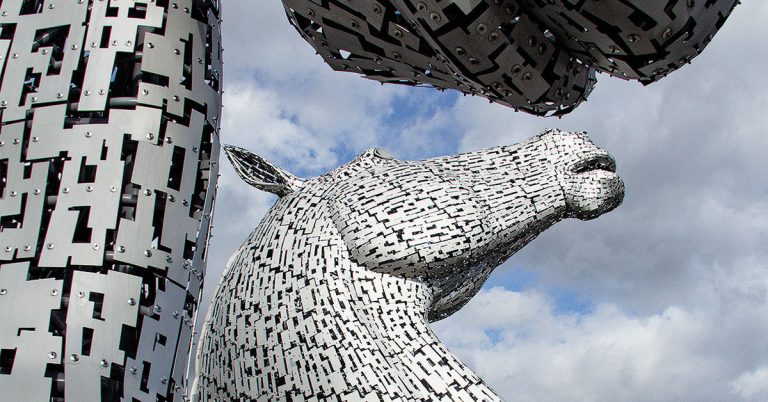
Close up view of one kelpie head, The Kelpies sculpture, Falkirk.

Social Change in Scotland: A Quiet Revolution

Fifty years ago, Scots were a different people, with different institutions. Explore the changes with David McCrone.

  • Edinburgh University Press
  • November 10, 2025

The Demolition of Jeddah and the Relocation of a Neighbourhood in Turkey

Magnus Marsden explores the connection between built neighbourhoods and heritage.

  • Edinburgh University Press
  • April 18, 2024
A black-and-white photograph cityscape of New York, centering on the Empire State Building, with dramatic cloulds above.

Decolonising human rights: a Q&A with Benjamin P. Davis

I want to talk about how all of us can decolonise human rights in our everyday lives, in constructive and imaginative ways

  • Edinburgh University Press
  • August 23, 2023

Using digital technology to uncover ‘invisible’ patterns in language and society

By Adnan Ajšić If you have seen the 1999 movie The Matrix, you will remember the green code tumbling down the black screen like digital rain from the title scene.  Later in the movie, Tank, one of the characters, ‘reads’…

  • Teri Williams
  • June 25, 2021

A Sociologist and a Philosopher Attempt to Learn from COVID

Edward Avery-Natale, interviewed by Colin C. Smith My childhood friend Dr. Edward Avery-Natale is a professor of contemporary sociology, while I am a lecturer in ancient philosophy.  Although Ed studies the modern world and I the ancient, we are often…

  • Teri Williams
  • June 2, 2021

Popular Posts

Shame in Contemporary You-Narration: Q&A with the author

A picture showing bare hills being grazed by sheep in the Ettrick valley.

A famous old shepherd looks for remedies

Q&A with Dr Beth Williamson: A Cultural Biography of William Johnstone

A sepia-toned 18th-century printed broadside titled “TRANSPORTED FOR SEDITION.” The design features ornate borders and three oval engravings of men in period clothing holding papers. Text around the portraits names individuals convicted of sedition and sentenced to transportation (penal exile), including references to courts and dates in the early 1800s. The overall style is decorative and historical, resembling a political or legal proclamation from Britain.

The Scottish Martyrs and the antagonisms between Scots Law and British penal practice

Stone statue viewed from behind beneath tall Gothic arches and dark stone columns, framing a bright blue sky with clouds

The Future of Scottish Higher Education

Subscribe To Blog Via Email

Enter your email address to subscribe to this blog and receive notifications of new posts by email.

Copyright © 2026 - Edinburgh University Press | All Right Reserved. | Privacy Policy