
-
Who needs advice?
Read more: Who needs advice?Margaret Mullett investigates advice literature from Byzantine texts to modern self-help culture.


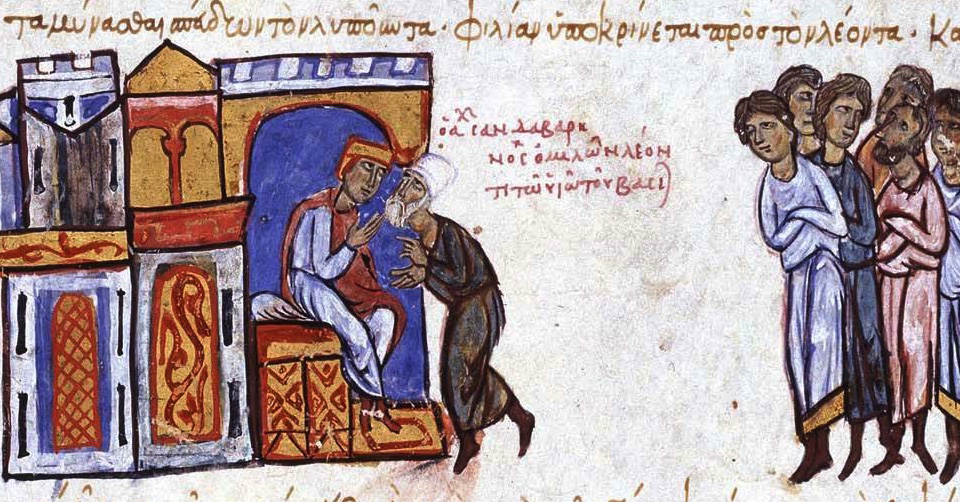
Margaret Mullett investigates advice literature from Byzantine texts to modern self-help culture.

Graham Harman and Hilan Bensusan Graham Harman: Your new book Indexicalism has already created a lot of excitement, including a wonderful online book launch conference, the likes of which I have never seen before[i]. Could you start by explaining to…

Graham Harman and Hilan Bensusan Have you read Part 1 – 4? Part 1Part 2Part 3Part 4 Graham Harman: In your book, you speak of Leibniz as a “relational” philosopher in much the same sense of Whitehead. A monad is determined by…

Graham Harman and Hilan Bensusan Have you read Part 1 and 2? Part 1Part 2 Graham Harman: Let’s turn now to your relation with a relevant analytic philosopher, Saul Kripke. In recent decades Kripke has been widely read among continental…

Enjoy a sneak peek of the Introduction to Seeing Degree Zero: Barthes/Burgin and Political Aesthetics edited by Ryan Bishop and Sunil Manghani An unfolding line of enquiry has been the revisiting of Barthes’ term ‘zero degree’, which dates back to…

By Igor R. Reyner It is evident that we are living in a particularly challenging time, where transformative and empathic ways of listening, as well as of understanding, are much needed. Surrounded by fake news and intransigent behaviour, isolated in…

Edward Avery-Natale, interviewed by Colin C. Smith My childhood friend Dr. Edward Avery-Natale is a professor of contemporary sociology, while I am a lecturer in ancient philosophy. Although Ed studies the modern world and I the ancient, we are often…

By Dan Taylor In October 2020, in the days leading up to the US Presidential Election, over 130 leading historians of fascism signed an open letter. They warned that democracy today is deeply imperilled. It is either ‘withering or in…
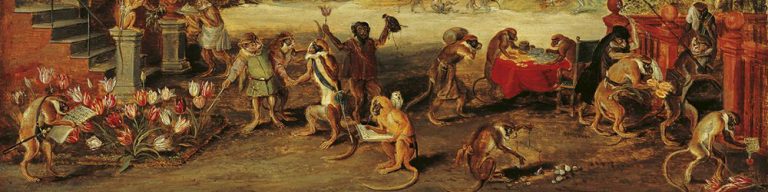
By Dan Taylor Baruch Spinoza’s Theological–Political Treatise, published anonymously in 1670, quickly turned Europe upside-down. Dismissed by one contemporary as a book ‘forged in hell by the Devil himself’, it argued that for societies to endure conflict and flourish, they…
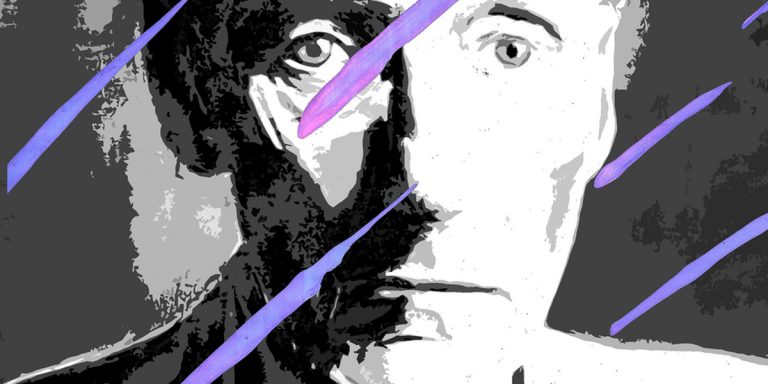
By Stanley Gontarski American outlier writer, William S. Burroughs, was a creative force, as a writer in his own right, and as a cultural theorist, particularly his anticipation of what we now regularly call “a society of control” or “a…