-
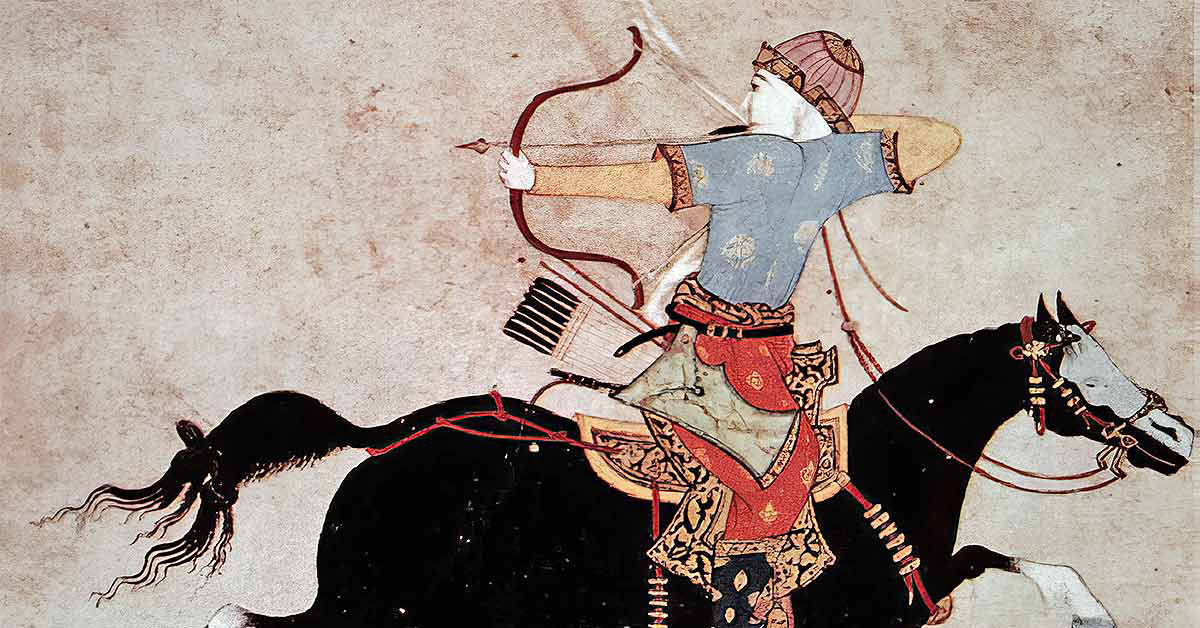
Henry Somers-Hall interviewed by Brent Adkins: Reading A Thousand Plateaus
Read more: Henry Somers-Hall interviewed by Brent Adkins: Reading A Thousand PlateausHenry Somers-Hall talks to Brent Adkins (author of the bestselling critical introduction and guide to A Thousand Plateaus) about his new book, Reading A Thousand Plateaus, which takes us even deeper into Deleuze and Guattari's masterwork.


Henry Somers-Hall interviewed by Brent Adkins: Reading A Thousand Plateaus
Henry Somers-Hall talks to Brent Adkins (author of the bestselling critical introduction and guide to A Thousand Plateaus) about his new book, Reading A Thousand Plateaus, which takes us even deeper into Deleuze and Guattari's masterwork.

The Acousmatic Work Ethic and the Spirit of Sound Studies
Patrick Valiquet asks why contemporary sound studies forgets the troubling moral and political aspects of Pierre Schaeffer’s experimental music research.
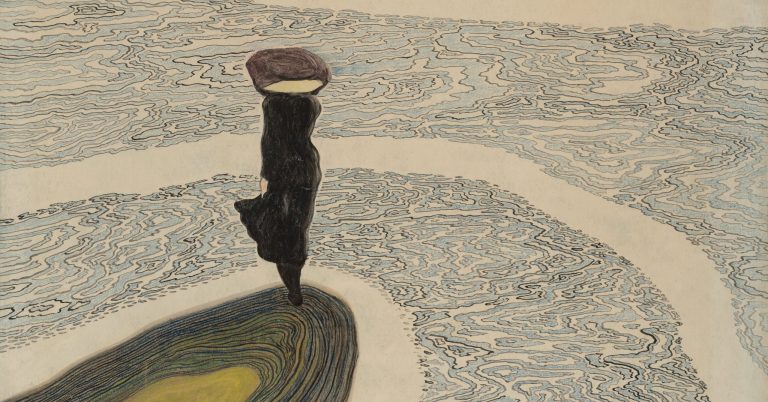
5 Dimensions of Affect in Bergson’s Philosophy
Henri Bergson's philosophy reveals time as a continuous and interconnected melody.
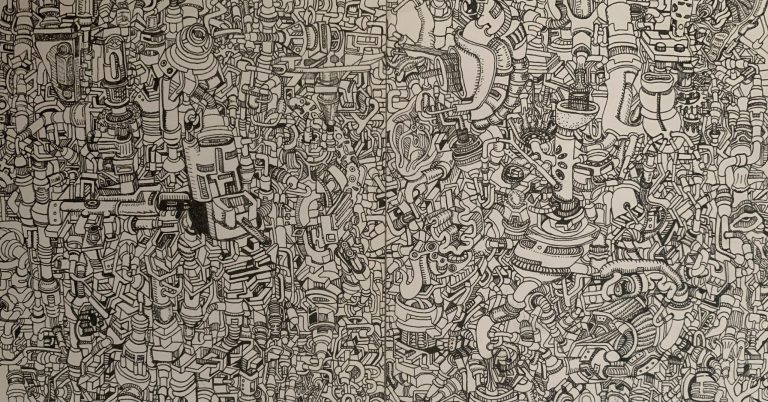
Femininity as ‘it’: Sexual Normativity within Schizoanalysis
Georgia Gibbs asks if schizoanalytic de-subjectification can contribute towards a feminist account of sexual normativity.

Common Sense: Between Democratic Promise and Political Peril
Thomas Telios considers common sense as a contested and performative concept shaping democratic discourse and political exclusion.

Autopoietic Machines
Rethinks the concept of power in relation to an emerging form - sensory power
Q&A with JoEllen DeLucia: ‘Frances Wright’s A Few Days in Athens’
Frances Wright redefines feminist philosophy through Epicurus's ideals of pleasure and virtue in her 1822 novel.
Q&A with Benjamin Dalton: Catherine Malabou and Contemporary French Literature and Film
Q&A with Benjamin Dalton about his new book, which journeys through philosophy, literature, film and (neuro)science to discover how our bodies and brains transform throughout life.

Ten everyday lessons
Chantelle Gray offers a vivid tribute to Deleuze and Guattari’s radical becomings, calling for creative resistance and world-making.