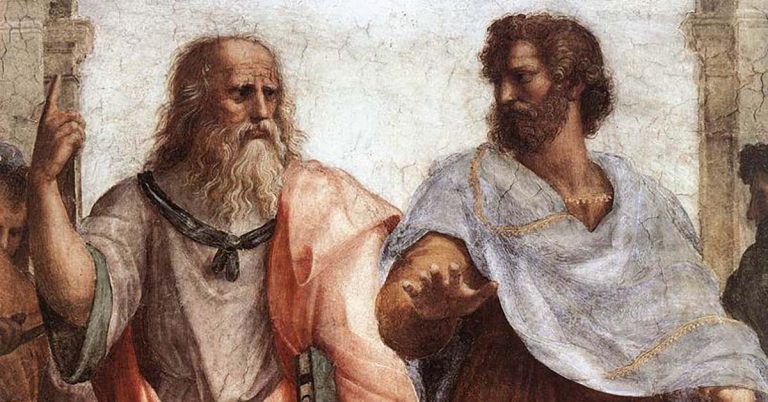
Q&A with the author of Categories: A Study of a Concept in Western Philosophy and Political Thought
Luke O'Sullivan, author of Categories, discusses how his book came to be, and what's next for him.


Luke O'Sullivan, author of Categories, discusses how his book came to be, and what's next for him.

How can literature for young adults and children help to foster lasting positive social change?

How do British and German cultural works establish relationality between Israel and Palestine?
Reading Marx’s 'Capital' with Deleuze and Guattari
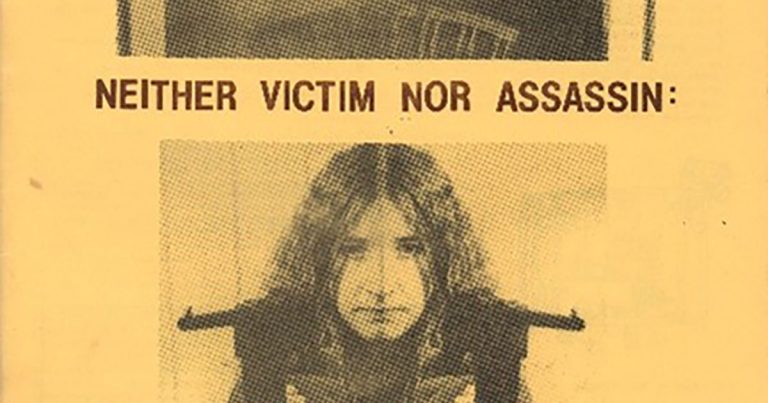
…pacifist feminists have long argued we must by Selina Gallo-Cruz Content warning: mentions of rape and sexual harassment Rape, war, racism, ecocide: a litany of violence. Are they comparable—and, if so, should they be compared? Across generations, feminist pacifists have…

Magnus Marsden explores the connection between built neighbourhoods and heritage.

by Dr Helen O’Shea and Prof Kim Barker International Women’s Day: an important day to mark, recognise, and observe women’s achievements…but we’ve had our fill of hashtags. So another one rolls around again and we can expect the usual avalanche…

by Matthew Chambers The text for this blog is taken from the Editor’s Introduction of The New Americanist Vol 2.2. The New Americanist continues a tradition of research publication at the American Studies Center (University of Warsaw)—some iteration of the…
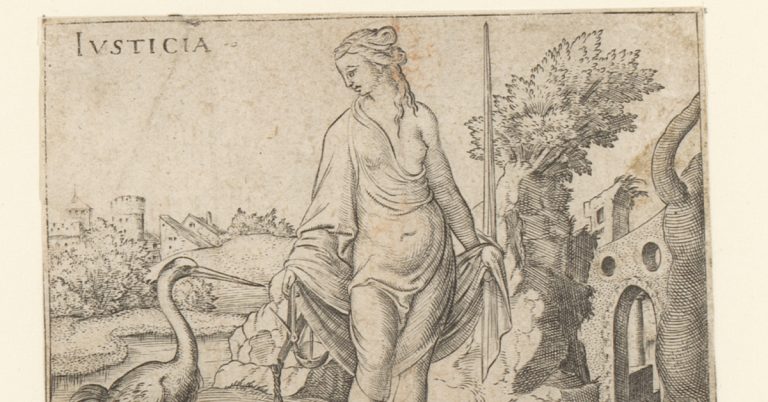
by Valérie Hayaert Animated by signs that are in essence mutable, Justitia (Lady Justice) may be perceived as an allegory in motion. Scholars who pretend to master the intricacies of this “science of images” (iconology) forget an important fact: allegories…